Plastering in Cranborne
Lime plaster on brick, flint and cob, lath ceilings, damp walls put right, and ordinary skimming and render on the newer houses, priced in writing after a free visit.
The site visit is free and so is the written itemised quote. Thomas Hannen prices every job himself.
If you are re-rendering a house in Cranborne, the cheapest decision you will make is to put back what is already on it. Matching the existing finish and colour keeps the job as maintenance and keeps it out of the planning system. Changing the look of a building in the village conservation area does not, and that turns a fortnight of work into a wait. We say which of the two you are looking at before we price it.
Out here the calls divide neatly. Old buildings, where plaster is lifting off a wall, a ceiling has begun to sag between the beams, or a hard modern render has started pushing the face off the brickwork underneath it. And newer ones, the infill houses and the converted outbuildings, where it is ordinary skimming, boarding and a coat of finish plaster.
We do both, and we price them differently because they are genuinely different work. It is a fair run up the chalk from us, so it is planned work rather than a van passing through, but the site visit is free and so is the written itemised quote.
The work
One wall, three materials, and none of them agree
Lime plaster on brick, flint and cob. A single old wall in this village can be three materials at once: brick at the openings and quoins, flint panels between, and cob or soft rubble further back. Each behaves differently under a coat. Flint is glassy and gives plaster almost nothing to grip, cob is soft and moves with the weather, and the brick sits somewhere between. So the wall is dubbed out in successive coats of haired lime, each left to firm before the next, then floated and finished fine. It is slower than gypsum and it is the only thing that will stay on that wall.
Old ceilings here are riven lath with lime pushed through, and where a building has a timber frame the whole structure moves a little with the seasons. That is why a crack keeps reappearing along the line where a ceiling meets a wall, and why filler never holds it. The junction wants a material that can move, reinforced and finished in lime, not a rigid gypsum skim that cracks in the same place next winter.
A solid wall with no damp proof course dries through its own face. Put a cement plinth round the bottom, a plastic paint inside or a hard sand and cement render outside and the moisture comes out through the plaster instead and takes it off the wall. The plaster is the symptom, so we look for the cause first. On the newer infill houses and converted outbuildings it is ordinary work: board on dot and dab or on stud, finished in tape and joint, with an angle bead on every corner and a stop bead at each reveal, and a hollow sounding wall in one of those is dry lining doing its job. On their blockwork outside a silicone thin coat is the right answer rather than lime.
How it runs
From your call to a written price
The quote is itemised rather than one figure: what comes off, how each background is prepared, the beads, the backing coat, the finish coat, the making good and the waste on separate lines. If something turns up behind the old finish that nobody could have seen, you get a photograph and a price before we carry on. Nothing we do inside an unlisted house needs planning permission. Cranborne has 25 listed entries among the older cottages, and on those listed building consent covers the inside as well as the front, so stripping a wall back or taking a ceiling down needs consent first even though nobody will see it. Dorset Council for planning and building control.
Cost
What decides the price of a plastering job
No rate per square metre. What sits behind the finish decides it: sound plaster takes a skim, a blown or hollow wall comes off and needs a backing coat of bonding, browning or hardwall floated level. A brick and flint cottage on the street with no way round the back, a house on the lanes with a yard, and a converted outbuilding across a farmyard are three different jobs. Outside, render brings a tower or a scaffold into the price, and the work at height rules are why that is its own line. A full re-render counts as renovating a thermal element, so Approved Document L and building control take an interest.
If it has started to come down
A sagging ceiling, or plaster off the wall
Ring rather than use the form. A ceiling that has begun to bow, or plaster coming off a wall in sheets, goes to the front of the queue. We are the best part of fourteen miles up the chalk, so we will be straight about when we can be there; clear the room underneath, and if water has come through a ceiling, turn that lighting circuit off.
Worth knowing
What counts as like for like, and why it matters
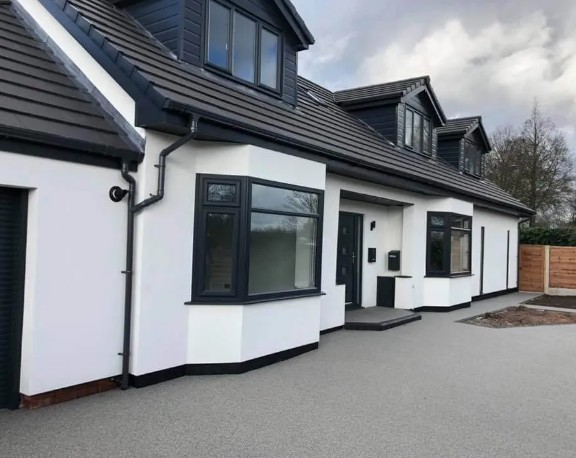
The village conservation area controls appearance, and that one word decides how much paperwork your render job carries. Renewing a finish in the same material, the same texture and the same colour is maintenance. Nobody needs to be asked.
Changing any of those three is a change of appearance, and inside a conservation area that is not something you can simply do. It is the reason a job that could have started in a fortnight ends up waiting on a decision, and it catches people out most often on colour, which feels like decoration rather than construction.
So do three small things before the scaffold goes up. Photograph the elevation as it stands, close up as well as wide, because once the render is off there is no record of what was there. Keep a piece of the old render when it comes off, since the texture and the aggregate in it are what a match is judged on.
And have the material, the texture and the colour written into the quote by name rather than described as render, so there is no argument later about what was priced and you have something to show if you are asked. We do all three as a matter of course, and none of them costs you anything.
Who you are dealing with
A local firm you can check
We cover Cranborne, Wimborne St Giles, Edmondsham, Alderholt and the BH21 addresses on this side of the Chase, with Dorset Council for planning and building control. Send the postcode if you are not sure whether we come out that far.
Bournemouth Roofing & Building Ltd, registered in England and Wales, company number 15471719, which you can look up in a minute. Thomas Hannen's business, and he is the one who comes out to price the job, not a salesman. A verified customer's 10 out of 10 on Checkatrade. The visit and the written quote are both free.
Questions
Cranborne questions we get asked
Does the Cranborne conservation area cover the colour of limewash?
The conservation area controls appearance, so the colour and the texture of whatever shows from the street falls inside it, and Dorset Council is the authority. Putting the same limewash back on in the same shade is maintenance. Moving from limewash to a modern masonry paint changes both the look and the way the wall breathes, which is the sort of change they want to hear about before it happens.
Cranborne Manor House is listed. Does that affect our cottage?
Listing runs with a building, so the Manor House being on the list says nothing about yours. There are 25 listed entries in Cranborne and cottages in the village are among them, so the first thing we do is check the address. Where a house is listed, consent covers internal plaster as well as the outside, and that usually means lime rather than gypsum whatever the wall looks like now.
We are in Cranborne Chase. Does that affect external rendering?
Cranborne sits in the Cranborne Chase and West Wiltshire Downs landscape, which brings design scrutiny on anything visible from outside on top of the conservation area rules. In practice that pushes the work towards matching what is on the building already rather than introducing a new finish. It rarely stops a repair. It does mean a decision about a different render colour wants making before the scaffold goes up, not after.
You are fourteen miles away. Do you really cover Cranborne?
Cranborne is about fourteen miles from base, a straightforward run up through the villages, and Thomas Hannen comes out to look and price it himself at no charge. The distance shapes how we book it rather than whether we come: we would rather do the ceilings, the patch repairs and the render in one stretch than make three separate trips. Tell us the whole list when you ring.
How can I tell if the plaster is lime or gypsum?
Scratch a hidden corner. Lime is softer and gritty, often a warm buff colour with hair or fibre through it; gypsum is pink or grey, harder, and sits in a thin even layer. If the wall is solid and the plaster is thick and uneven, treat it as lime until proven otherwise. Getting that wrong is how a Cranborne cottage ends up blowing again two winters after it was skimmed.
Nearby, and next door
Plastering and rendering near Cranborne
Plastering and rendering nearby
Our other trades in Cranborne
Everything we do in Verwood Plastering and rendering, all areas Every area we cover
Free quote
Get a written price for your Cranborne plastering
Send the postcode and tell us which wall or ceiling. We come out, work out what is behind the finish, and put the specification and the price in writing.