Plastering in Rockbourne
Lime plastering, lath ceilings, damp repairs and render for the old cottages and the newer houses along the village street.
The site visit is free and so is the written itemised quote. Thomas Hannen prices every job himself.
In Rockbourne the answer usually starts with what the wall is made of rather than what is wrong with it. Most of the village is old, solid walled and has to stay breathable, which means lime rather than gypsum and a soft mix rather than a hard one. Put modern plaster or a cement render on a wall like that and it will blow off again, usually within a couple of winters, and take some of the face of the wall with it.
The calls we get from the village fall into a few shapes. Plaster blowing off at skirting height with a white bloom on it. A ceiling that has begun to sag between the beams. Render or limewash on an elevation that has cracked and is now letting water in rather than shedding it. And, at the other end, a clean modern job in an extension or a converted barn where somebody wants flat walls and sharp corners.
We do all of it, old work and new, and the making good afterwards. The site visit is free, the written quote is itemised, and if the right answer is to leave a wall alone and sort out what is wetting it, we will say so first.
The work
Plaster blows at skirting level down by the stream
Lime on solid walls. The cottages along the street are brick, flint and timber framed with a solid wall and no cavity, and many carry lime plaster inside and a lime render or limewash outside. That fabric works by letting moisture move through it and dry out. Dust sheets go down first and the background is prepared and brushed clean, with PVA only where a modern background is dusty. Where a wall has blown we take it back carefully, make good the background, and put on a haired lime backing coat and a fine finish, with real drying time between them, and longer again before a mist coat goes on and the room is decorated. Where a previous owner has skimmed over lime with a modern plaster, that is usually the patch that is failing.
In the older houses the ceilings are riven laths nailed across the joists with lime pushed through the gaps, and the nibs that squeeze out on top are all that holds them up. When those snap the ceiling sags in a bay or drops in one go. Depending on the building and its listing, and there are fifty-two listed entries in the parish, we either replace like for like on new lath or, where it is allowed and the joists are sound, over-board and skim. That choice is worth settling before anyone quotes, because the two are days apart.
Damp at the bottom of the wall. The village sits on low ground beside Sweatfords Water and falls in flood zones 2 and 3, so plaster blowing off in the first half-metre above the floor is common here. That is water and salt, not bad plastering, and skimming over it hides it for one winter. We look at what is wetting the wall first: ground levels raised against the house, a hard cement render or a modern floor trapping moisture, a blocked gully. Then the repair, which on an old wall means a breathable lime replastering rather than a waterproof render that pushes the damp higher up.
Outside, local damage is cut out and patched in matching material, because a hard sand and cement patch on soft old work cracks off and pulls the surface with it. Where a whole elevation has gone, the traditional job is scratch coat, render coat and float in lime, finished with limewash or a breathable mineral paint. On the newer houses around the village a silicone thin coat or a monocouche makes better sense, with a bell cast bead at the base. Barn conversions and extensions are dry lining on dabs or board on stud, then tape and joint or a full skim, with stop bead at each reveal, which matters here because the old openings are deep. Where one is floated wet instead the backing coat is browning or hardwall, with bonding on a dense face.
How it runs
From your call to a written price
Same team from the first visit to the last, one person to ring, and none of it sub-contracted. We survey the building rather than a photograph: what the wall is built of, what has been done to it since, and where the moisture comes from. The quote is itemised, so the lime work, the beads, the backing coat and the waste each sit on their own line. The village is a conservation area and a great many buildings in it are listed, so the outside is controlled and on a listed building that control reaches inside as well, down to a lime ceiling. Planning Portal guidance on external walls covers a change of external finish, and it is worth reading other permissions you may need before you commit.
Cost
What decides the price
No rate per square metre. On buildings like these the material and the waiting decide it. A gypsum skim is on and closed up in a day, where a lime job is coats with real drying time between them, so the same room needs more visits. Blown plaster comes off and brings a backing coat and a float back in, and a lath ceiling replaced in lime is a different order again. Outside, a full elevation wants a scaffold, which is why work at height rules make access a priced line, and re-rendering it brings Approved Document L in, though on a listed building the conservation position comes first.
If it has started to come down
A ceiling sagging, or plaster blown off a wall
Ring rather than use the form. A lath ceiling pulling away from its joists, a bulge that has appeared since the last wet spell, or plaster coming off in sheets goes to the front of the queue. Do not push at it to test it, because lath holds and then lets go all at once. If water is involved, the government flood risk service shows what the village is exposed to.
Worth knowing
The village is a conservation area, and that reaches the render
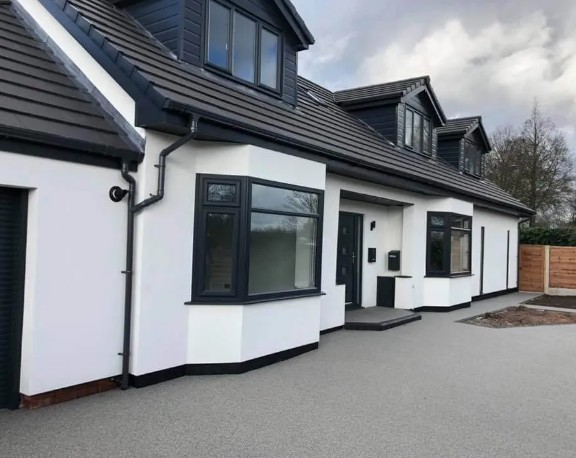
Rockbourne is a designated conservation area, which is the one local fact that changes what you should ask for. In practice it works like this. Renewing an external finish exactly as it is, the same material, the same texture, the same colour, counts as maintenance and is not usually something you need permission for. Changing it does.
Swapping a soft lime render for a modern silicone system, or limewash for a bright masonry paint, changes the appearance of a building in a designated area, and appearance is precisely what is being protected. The same goes for covering a flint or brick elevation that was never rendered. On top of that there is a long list of listed buildings in the village, and on those, consent is needed for internal work too, which can catch a ceiling or a plastered wall you would never think of as a planning matter.
What that means when you are getting prices is simple. Ask any plasterer what material they intend to use and whether it is the same as what is there now. A quote that offers to strip the old render and put a cement or silicone system on a cottage in the middle of the village is offering you something you may not be allowed to have, and the cost of putting that right later is far more than the difference between the two quotes.
Get the permission question settled before the scaffold is booked, not after. We will tell you where we think an address sits and what we would use, and we are happy to put the specification in writing so you can take it to the planning department yourself.
Who you are dealing with
A local firm you can check
We cover Rockbourne, Whitsbury, Damerham and Fordingbridge across the SP6 postcode, and work right across the New Forest, Cranborne Chase and east Dorset from a base near Bournemouth. Bournemouth Roofing & Building Ltd, registered in England and Wales, company number 15471719, which you can look up in a minute. Thomas Hannen's business, and he is the one who comes out to price the job, not a salesman. A verified customer's 10 out of 10 on Checkatrade. The visit and the written quote are both free.
Questions
Rockbourne questions we get asked
Does the Rockbourne conservation area control what colour we limewash?
Colour on its own is usually maintenance if you are repeating what is already there. Rockbourne has its own conservation area and the control is over appearance, so putting the same limewash back on the same substrate reads as repair, while swapping lime render for a coloured acrylic system is a change of material and needs asking about first. I write the existing finish and the proposed one side by side in the quote so you have something to take to the authority.
Sweatfords Water flooded our ground floor. What do you check?
Height first, then salts. I find the line the water reached, measure well above it, and check with a meter whether the wall is still wet or only carrying salt that pulls moisture back out of the air. In a Rockbourne property sitting in flood zones 2 and 3 with Sweatfords Water about thirteen metres away, that line is usually higher than people remember, because plaster wicks upward long after the water has gone.
Our barn is listed. Can you replaster the inside of it?
Only with listed building consent, and internal plaster counts as part of the listing. Rockbourne has 52 listed entries, including the Church of St Andrew and a barn formerly a chapel east of the Manor House, so farm buildings in this village are as likely to be listed as the houses. Taking historic lime plaster or lath off a listed interior is a consent matter rather than a decorating decision. I price the make-good separately so figures can go in the application.
Is it too cold down in the valley to lime render?
Lime needs frost-free conditions while it sets, and a low-lying Rockbourne property beside the water holds cold air and damp for longer than a site up on higher ground. We will not put a lime render coat on when frost is forecast within a few days of it going on. That leaves roughly late spring to early autumn as the safe window outside. Internal lime work carries on later in the year if the room can be kept gently warm.
Do you need consent to replaster inside an unlisted cottage?
Not for the plaster itself. The conservation area here controls the outside of the building, not what you do to an internal wall, so a re-skim or a full replaster indoors is your decision alone if the cottage is unlisted. Listing is the thing that changes the answer, because a listed interior is protected as well. With 52 entries in a village this size I check which of the two you are in before pricing anything.
Nearby, and next door
Plastering and rendering near Rockbourne
Plastering and rendering nearby
Our other trades in Rockbourne
Everything we do in Verwood Plastering and rendering, all areas Every area we cover
Free quote
Get a price for your plastering in Rockbourne
Tell us what the wall is doing, or send a photo, and we will come and look. The visit and the written quote cost nothing.