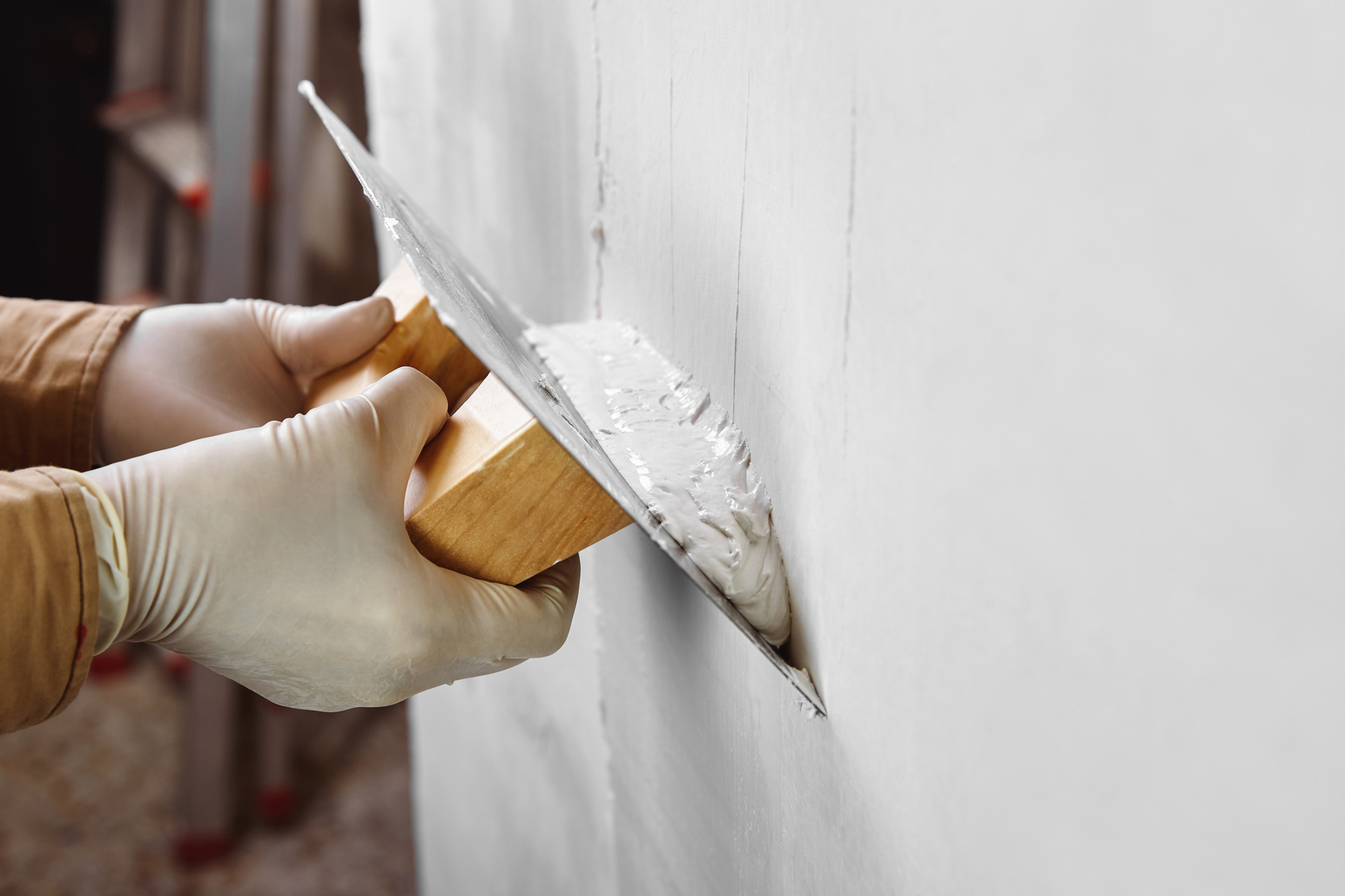
Plastering and rendering in Fordingbridge
Lime and lath in the old town, skims and dry lining on the estates, render outside. Across Fordingbridge and the SP6 villages.
The site visit is free and so is the written itemised quote. Thomas Hannen prices every job himself.
The first question on a Fordingbridge job is what the wall is made of. In the middle of the town it is often solid brick with lime plaster on it, and out on the estates it is blockwork or plasterboard. The repair that is right for one is the wrong repair for the other, so we tap it over and look before we quote.
Three things bring people to the phone. A ceiling has cracked or started to come away, and in an older house nobody can say whether the lath behind it is still holding. A wall has gone soft, dark or powdery near the floor.
Or a room is being brought up to date, the artex is coming off, a chimney breast is going, and it all needs to finish flat and ready to paint. We come out, look at what is behind the surface as well as at the surface, and tell you which of those you are dealing with.
The work
Lime by the bridge, gypsum on the estates
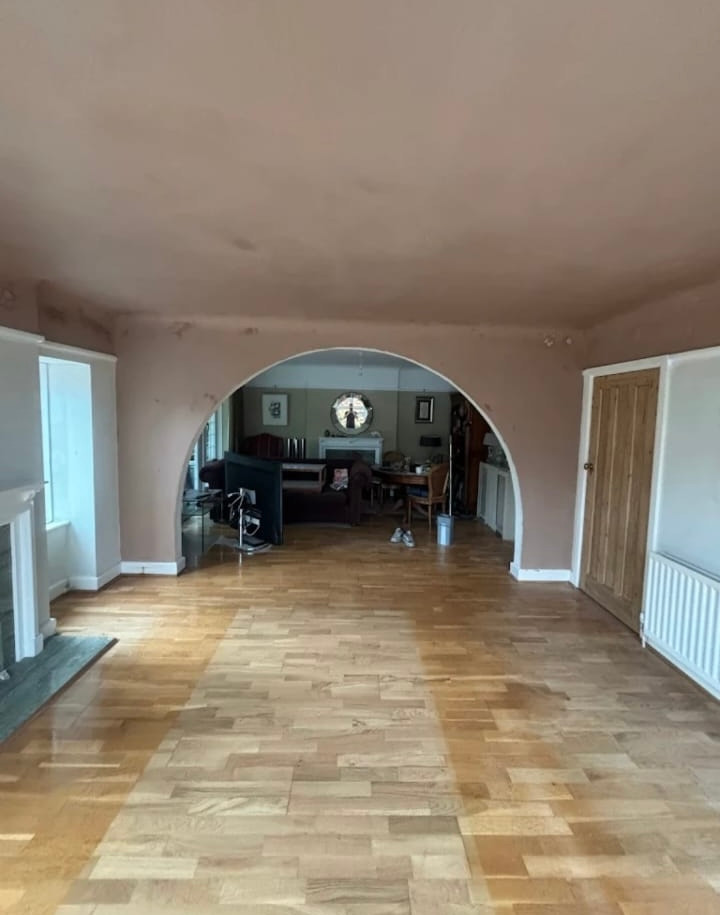
Lime and lath by the bridge. Plenty of what we work on near the bridge and the High Street is solid walled, with lime plaster on it and lath overhead. Where the lath is sound and only the surface has crazed, the loose material comes off and it is re-skimmed. Where the plaster has parted from the lath and the ceiling is bellying down, it comes down and goes back as plasterboard on the joists, taped and jointed at the edges. On a solid wall the backing coat goes back in lime rather than gypsum, so the wall dries outwards instead of holding water against the brick.
The houses built here from the fifties through to the eighties are blockwork with a browning or hardwall backing coat and, more often than not, a textured ceiling. Prepared, PVA'd where porous and given two coats of finish off the trowel, a ceiling is a day and a room is two. Where a backing coat has let go it sounds hollow and often looks perfectly fine, which is why we tap rather than trust our eyes. It comes off back to sound material and is floated flat in bonding or hardwall before the finish. If the wall is still wet we will not skim it, because it will blow a second time.
Dry lining on the newer estates. A good share of the town is plasterboard on dot and dab with taped joints rather than solid plaster, so a wall that sounds hollow out there is how it was built rather than a fault. We board back to the studs where it has been knocked about and fit stud partitions where a room is being split, with angle beads at the external corners and every reveal beaded. The flats above the town centre shops bring their own list: a top floor ceiling put back after a roof leak, a bathroom ceiling under somebody else's shower, communal stairs made good, everything carried in and out the same day rather than stacked by a shared front door.
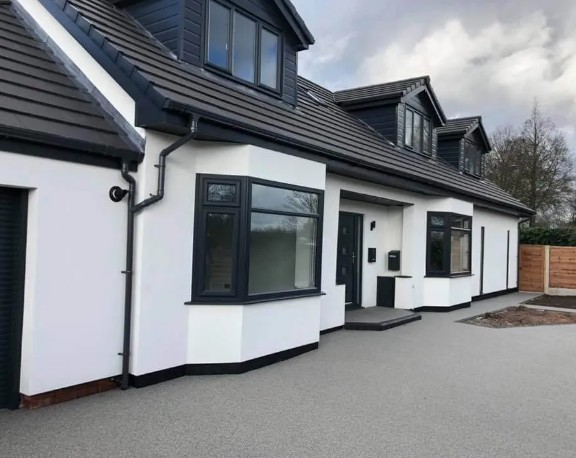
Outside, a cracked panel over a sound background is cut back, given a scratch coat and matched in. A whole elevation that has gone hollow comes off and goes back on a mesh reinforced basecoat under a silicone thin coat topcoat, or a K render or monocouche for a through colour, on a bell cast bead at the base. On an old solid wall we would talk you out of sand and cement altogether and put lime back on it.
How it runs
From your call to a written price
Same team from the first visit to the last coat, one person to ring, and the quote itemised: preparation, hacking off, the backing coat, boards and beads, the skim and the making good. Inside, plastering needs no permission, with one exception that matters here. There are a good number of listed buildings in and around the town, and on those the plaster is part of what is protected, so hacking lime off a wall can need consent first; Other permissions you may need sets out which applies. Renewing render already on a wall is maintenance, and rendering a wall that never was rendered is normally permitted development, with the exceptions in Planning Portal guidance on external walls. New Forest District Council is the authority.
Cost
What decides the price of a plastering job
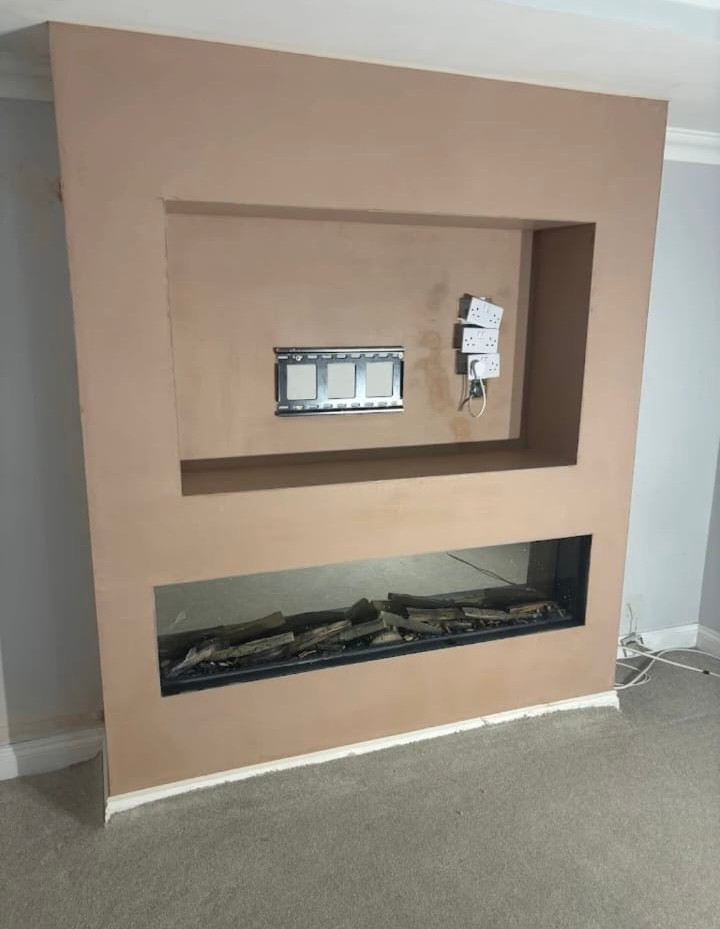
No rate per square metre. A brick cottage near the town centre where the plaster comes off by hand, a seventies estate house re-skimmed a room at a time, and a flat above a shop where everything goes up a shared stair are three different jobs. A wall that only wants a skim is a fraction of one taken back to a backing coat and a finish, and tapping tells us which you have. Outside, a tower or a scaffold sits on its own line, because work at height rules decide the platform. Ask whether it is a skim or a re-plaster, and who takes the waste.
If it has come down
A ceiling that has blown or come down
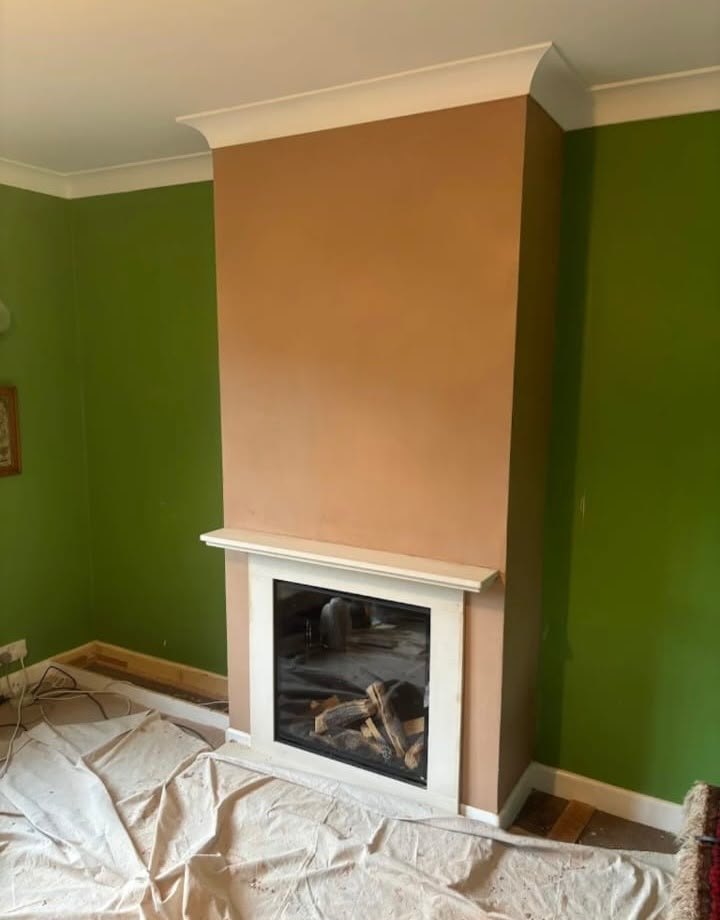
Ring rather than use the form. If a ceiling is sagging or dropping plaster, keep everybody out of that room. If a wall has gone soft, the water has to be found and stopped before a plasterer is any use. We are half an hour down the road from Fordingbridge, so a make-safe visit is usually same day or the next. The phone is answered 24 hours for emergencies; scheduled work runs Monday to Friday, 8am to 6pm.
Worth knowing
Plaster, and the Avon at the bottom of the town
The low ground either side of the river gets wet, and every so often it gets very wet. If that is your address, the thing to understand about plaster is that it behaves like a sponge with a memory. Water soaks into the wall and carries salts through it, and as it dries those salts come to the surface, push the finish off the backing coat and leave a white bloom and a hollow patch.
Painting over it or filling it does nothing, because the problem is behind the paint. You can check what your own address is exposed to with the government flood risk service, which will tell you more than a neighbour's memory of a bad winter.
What that changes is the timing more than the technique. A wall that has been wet through has to dry before anything goes back on it, and that is weeks rather than days, longer on a solid wall. Anyone offering to re-plaster next week is selling you the same job twice.
We would rather take the affected plaster off, cut it out well above the line the water reached, get air moving and come back. When it does go back, lime on an old solid wall and a renovating backing coat on a modern one both cope with salts far better than an ordinary skim, and skirtings and sockets are worth leaving off until the wall behind them has properly dried.
Who you are dealing with
A local firm you can check
We cover Fordingbridge, Sandleheath, Alderholt, Godshill, Stuckton, Burgate and the SP6 villages either side of the river. Bournemouth Roofing & Building Ltd, registered in England and Wales, company number 15471719, which you can look up in a minute. Thomas Hannen's business, and he is the one who comes out to price the job, not a salesman. A verified customer's 10 out of 10 on Checkatrade. The visit and the written quote are both free.
Questions
Fordingbridge questions we get asked
The estate went up in the 1970s. Why crack now?
Because that generation of wall was built to move and the finish on it was not. Around 41.2% of Fordingbridge homes date from between 1945 and 1982, with the peak in the 1970s and early 1980s at 16.5%, so lightweight blockwork under a sand and cement backing is common. The block settles and shrinks, the finish coat cannot follow, and the crack appears at the weakest line, usually a corner or a door head.
Is a hollow wall in a newer Fordingbridge house a defect?
Usually not. Newer housing round here is dry lined, which means plasterboard stuck to the blockwork on dabs of adhesive rather than a wet backing coat trowelled on. Tap it and you get a drum sound over the void between dabs, and that is how it was built. What matters is whether the board gives under hand pressure and whether the tapered joints have opened. Movement and open joints are a fault. Drum sound on its own is not.
Which council decides whether we can render the front?
New Forest District Council is the planning authority for Fordingbridge, and the town has no conservation area of its own, so an external repair in the same material is normally maintenance rather than something you apply for. Changing the material or the colour of a whole elevation is where it gets looked at. There are 49 listed entries in the town, the Old Manor House among them, and a listed wall is a different conversation.
We are putting a bedroom in the loft. Any Avon rules?
Yes, but only because the loft adds a bedroom. Fordingbridge drains to the River Avon, and the catchment rules attach to schemes that create extra overnight accommodation, so a loft conversion engages them where a repair or a re-skim never would. The plastering is not the trigger. The bedroom is. That side of it gets settled with the council before we come in to board and skim the new room.
What does Thomas look at before pricing a ceiling?
He gets into the loft first where there is access, because the top of a ceiling tells you more than the underside. From above you can see whether it is boards on joists or lath and lime, whether fixings have pulled, and whether a tank or a pipe has leaked. From below he taps for hollow patches and sights along the joists for sag. The written itemised quote follows, and neither the visit nor the quote is charged for.
Nearby, and next door
Plastering and rendering near Fordingbridge
Plastering and rendering nearby
Our other trades in Fordingbridge
Everything we do in Verwood Plastering and rendering, all areas Every area we cover
Free quote
Get a price for your Fordingbridge plastering
Tell us the address and what you have noticed. We will come out, tap it over and put an itemised price in writing. No charge, and no obligation.