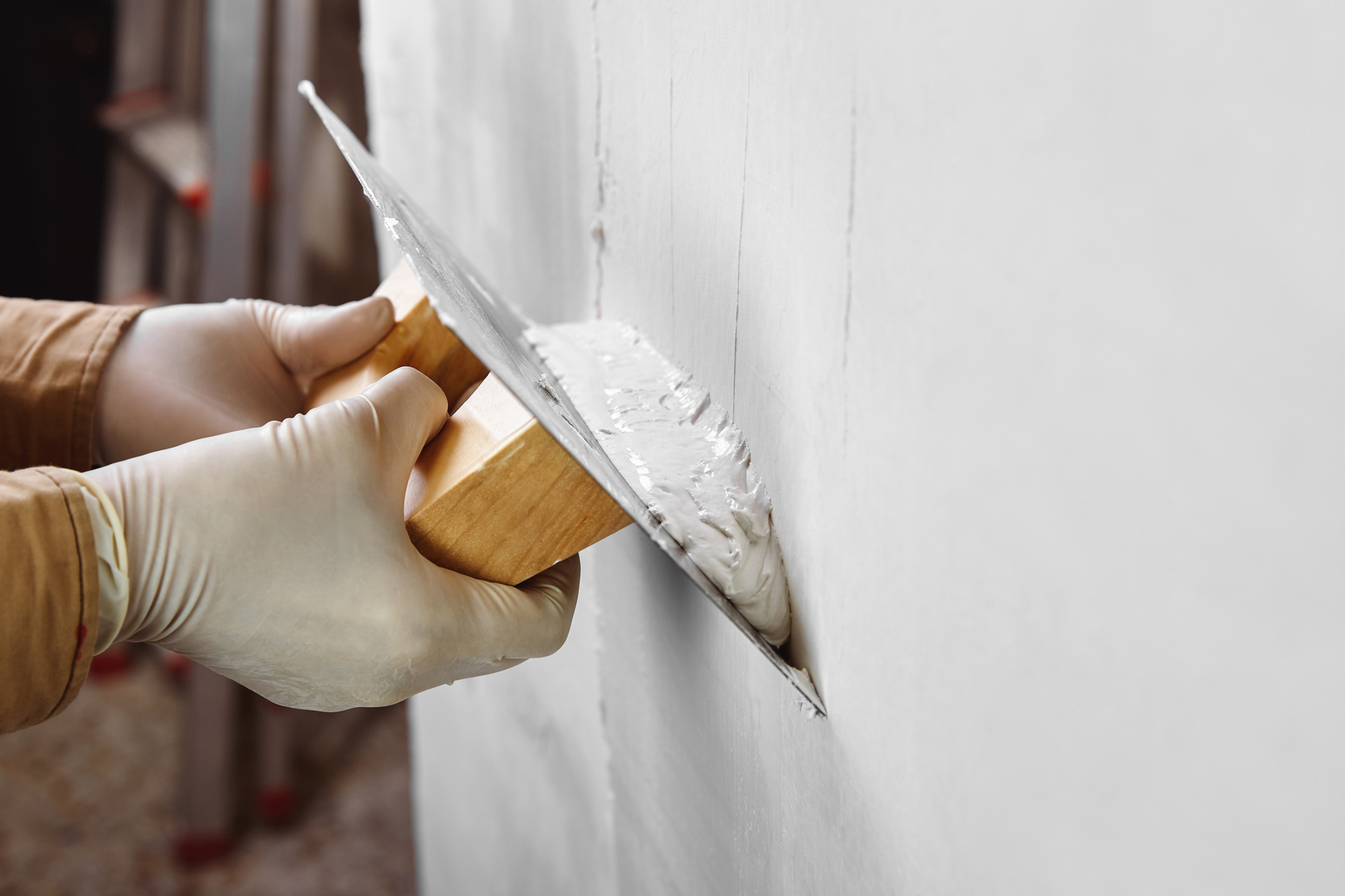
Plastering and rendering in Ashmore
Lime plaster and lath, solid wall repairs, ceilings, skimming and render in Ashmore and the SP5 villages. Free site visit, free written itemised quote.
The site visit is free and so is the written itemised quote. Thomas Hannen prices every job himself.
In Ashmore the first question is not how the wall looks, it is what the wall is made of. On an old solid wall a gypsum skim over damp fabric will blow again within a couple of winters, and on a listed building taking the old plaster off can need consent before anyone lifts a trowel. We work that out on the site visit, before we price anything.
People here ring us about the same handful of things. Plaster coming away in a room that has been cold and shut up. A lath ceiling that has started to sag between the joists. Render or limewash outside that is crazed, hollow or shedding. Or a barn, an annexe or a later house that simply wants boarding and skimming like anywhere else.
The village has a lot of old fabric in it, and old fabric and modern plaster want opposite things. So we sound the walls, look at what is behind them, and put a written itemised price in front of you that names the material as well as the number.
The work
Behind most blown plaster here is a cement patch
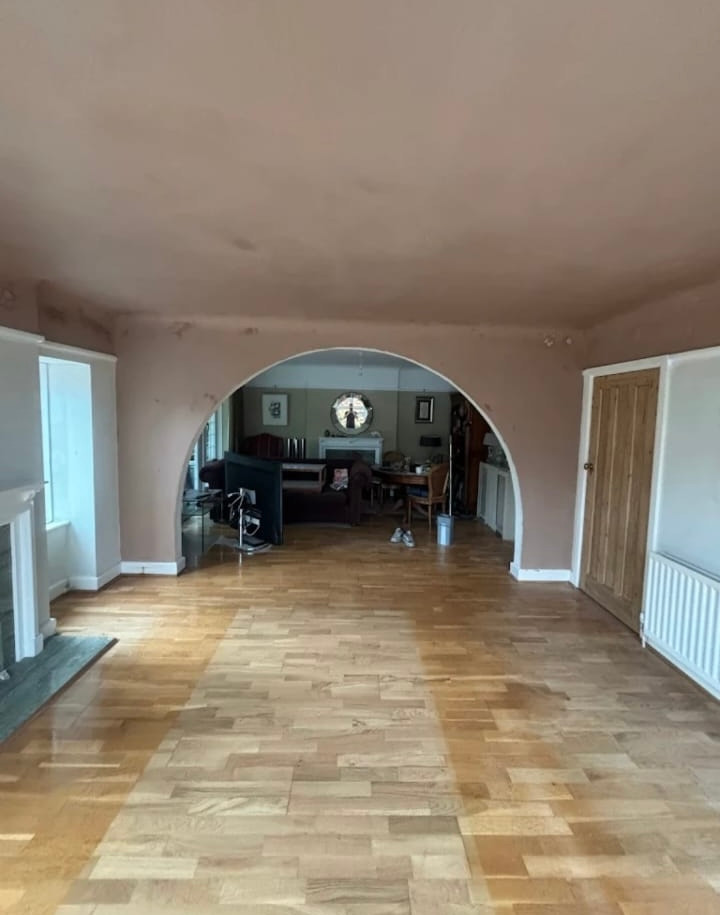
Lime plaster on lath, repaired rather than ripped out. On the older houses here the walls and ceilings are lime plaster spread over timber laths. It fails in a particular way: the keys, the squeezed out lumps that hold it on from behind, snap off, and the plaster starts to move as a sheet even though the face looks fine. Where enough keys survive it can be stitched, re-fixed and skimmed. Where they have gone the section comes down, the laths are checked and replaced where they are split, and it goes back in a haired lime backing coat with a lime finish over it. In a listed room how that is done matters, because overboarding straight over historic fabric is not always acceptable even though it is quicker, and there are twenty-six listed entries in this village.
Solid walls that are wet. A solid wall has no cavity, so it takes rain in on the outside and gives it back on the inside, and everything on it has to let that happen. Half the blown plaster we find in a village like this is sitting behind a cement patch or a hard render somebody applied decades ago with the best of intentions. It gets cut out, the wall is allowed to dry, and it is made good in a breathable material rather than the one that caused it. Cutting out a damp patch is the last job, not the first: we look at ground levels, a floor that has been sealed, or that hard render outside, deal with the cause, then patch so the repair does not reappear a foot to the left.
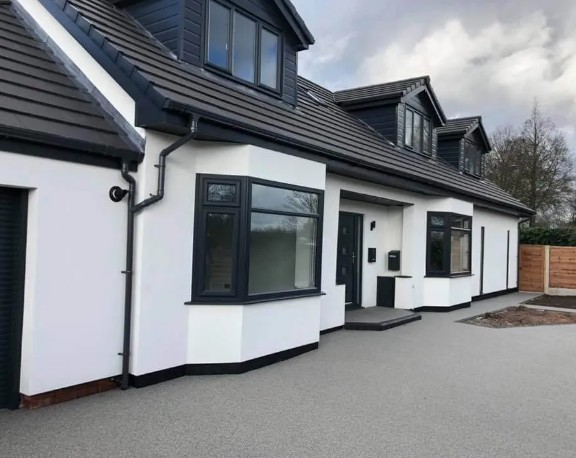
Not every wall in the village is two hundred years old. Extensions, annexes and the converted outbuildings get plasterboard on dot and dab or on a stud, moisture resistant board behind a shower, backing coats of bonding or hardwall chosen by the background, and angle bead and stop bead at the corners and reveals. Outside it is lime render and limewash on the old walls, which needs renewing rather than sealing over, and sand and cement or pebbledash on the twentieth century houses, repaired with a scratch coat and a mesh reinforced basecoat, then primer and topcoat with a bell cast bead at the bottom. The thin coat systems, silicone and monocouche, are excellent on a modern cavity wall and wrong on an old solid one, and we will tell you which you have rather than quote whatever is easiest.
How it runs
From your call to a written price
The site visit costs nothing, and we survey every wall and ceiling in the room rather than the patch you rang about. The quote is itemised: protection, whatever comes off, boarding, backing coat, finish coat, beads, making good and disposal on separate lines. Ashmore is one of the places where permission genuinely matters. The village has its own conservation area and a couple of dozen listed entries, so changing the external appearance, the render or the finish is controlled, and inside a listed building the historic plaster is part of what is listed. Dorset Council holds listed building consent, and Planning Portal guidance on external walls sets out where an application is needed.
Cost
What decides the price
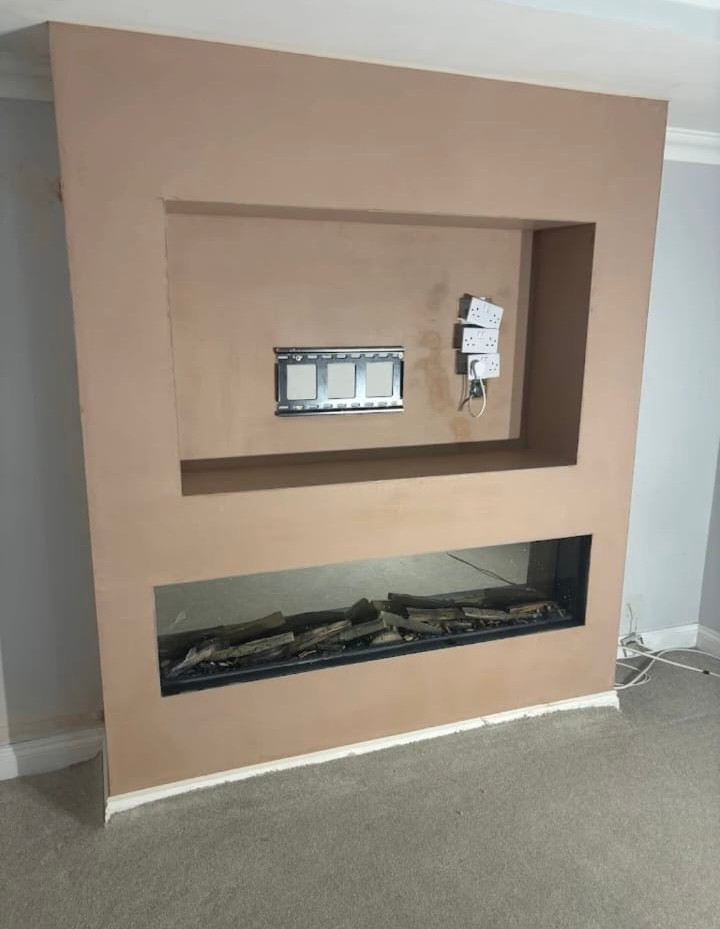
No rate per square metre, because on a wall the square metres are the easiest thing to measure and the least useful thing to know. We sound every wall and ceiling with a knuckle first: what answers solid gets a skim, what drums comes off back to the background. A listed cottage where the plaster is part of the listed fabric, a converted outbuilding on a yard, and a later house on the edge of the village are three different jobs before anything is mixed. Ask any quote what the backing coat is and why that one, and who takes the waste away.
If it has come down
A ceiling sagging, or plaster blown off a wall
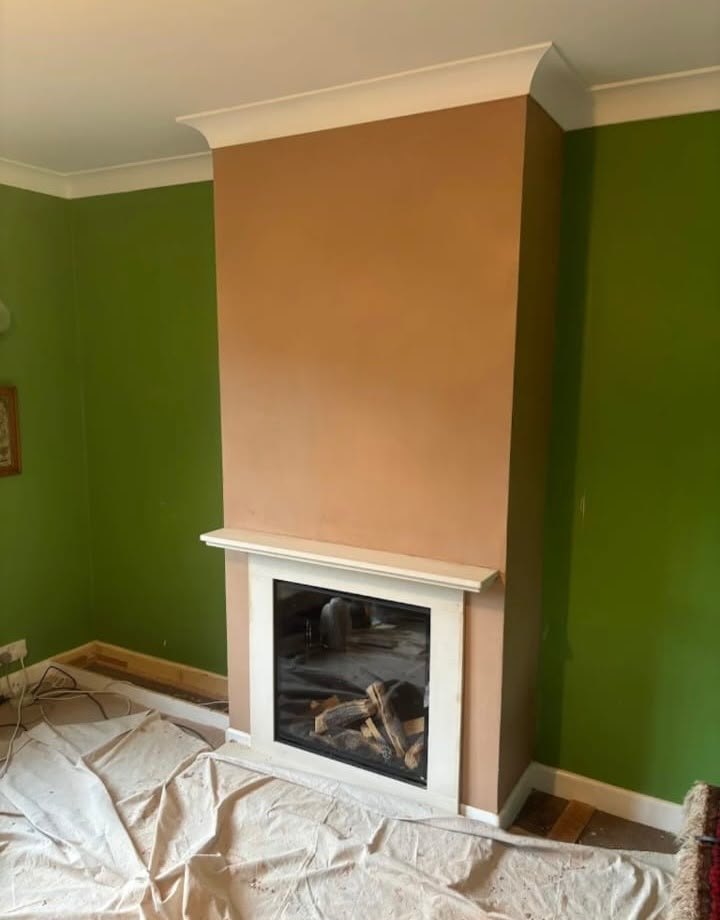
Ring rather than use the form. A ceiling pulling away from the joists, or plaster coming off a wall in sheets, goes to the front of the queue. Keep the room shut and get anything valuable out from under it. Ashmore is the far end of our patch, out past Blandford Forum, so we will be straight with you about the day rather than promise an hour we cannot make.
Worth knowing
In a listed house here, the plaster is part of the listing
Most people know that listing controls what you do to the outside of a building. Fewer know that it covers the inside as well, and that includes plaster. In a listed house, historic lime plaster, a lath ceiling and the run of an old cornice are part of the fabric the listing protects, so stripping a room back to bare wall and re-skimming it in gypsum is not automatically your decision to make.
It can need consent, and consent is a separate thing from planning permission. The same goes for the outside within the conservation area, where replacing a lime render with a hard cement one changes the appearance and the way the wall behaves at the same time.
None of that should put you off doing the work. It changes the order you do it in. Ring the conservation officer at Dorset Council early with a description of the room and what has failed, because a like for like repair in matching materials is usually treated very differently from a strip out, and the conversation is free.
Get the quote written in materials rather than in adjectives, so it says haired lime backing coat and lime finish, or says gypsum and why gypsum is right on that particular wall. It gives you something to put in front of the council, and it stops a cheaper quote quietly turning your cottage into a house that has to be put right twice.
Who you are dealing with
A local firm you can check
We cover Ashmore and the SP5 villages up on the chalk, out to Sixpenny Handley, Tarrant Monkton and Blandford Forum, and Dorset Council is the planning and building control authority here. Bournemouth Roofing & Building Ltd, registered in England and Wales, company number 15471719, which you can look up in a minute. Thomas Hannen's business, and he is the one who comes out to price the job, not a salesman. A verified customer's 10 out of 10 on Checkatrade. The visit and the written quote are both free.
Questions
Ashmore questions we get asked
What does Ashmore's conservation area actually control?
Appearance, mainly. Ashmore Conservation Area covers how the village reads from the street, so replacing a finish like for like is treated as maintenance while a change of covering, colour or material is not. That means a cement render over a wall that was always lime, or a modern coloured top coat, is a decision to run past Dorset Council first. Repairing what is already there is a different conversation.
How do we find out whether our cottage is listed?
Check the address against the list rather than assuming from the age of the building. There are 26 listed entries in Ashmore and they include structures as well as houses. If yours is on it, consent can extend to internal finishes, so stripping plaster off a wall inside is not automatically your own affair. Dorset Council holds the record and a phone call settles it before anyone quotes for the work.
Does the Cranborne Chase designation affect a render colour?
It affects anything that reads from a distance. Ashmore sits in the Cranborne Chase and West Wiltshire Downs landscape, where design scrutiny applies to what can be seen rather than to what is hidden. A bright or heavily textured finish on a visible elevation attracts more attention than the same work on a rear wall behind a hedge. Muted traditional finishes go through with far less argument.
What is different about working in lime rather than gypsum?
Time and sequence. Lime goes on in coats with a wait between each, it is haired for strength on lath, and it carbonates slowly instead of setting inside an hour. It cannot be rushed and it cannot be laid in frost. In exchange the wall keeps passing moisture out through its surface, which is what an old solid wall needs. On a protected building it is often the only sensible option.
You are twenty miles away. Do you cover Ashmore?
Yes, it is 19.7 miles from the yard and we work up that way regularly. Thomas Hannen comes out, looks at the walls and prices the job himself rather than sending one person to measure and another to quote. The site visit costs nothing and the written quote is itemised so you can see what each stage carries. Being this far out, we plan the days in runs rather than dropping in.
Nearby, and next door
Plastering and rendering near Ashmore
Plastering and rendering nearby
Our other trades in Ashmore
Everything we do in Blandford Forum Plastering and rendering, all areas Every area we cover
Free quote
Get a price for plastering in Ashmore
Tell us the address and what the wall or ceiling is doing. We will come out, look at what it is built of, and put an itemised price in writing.