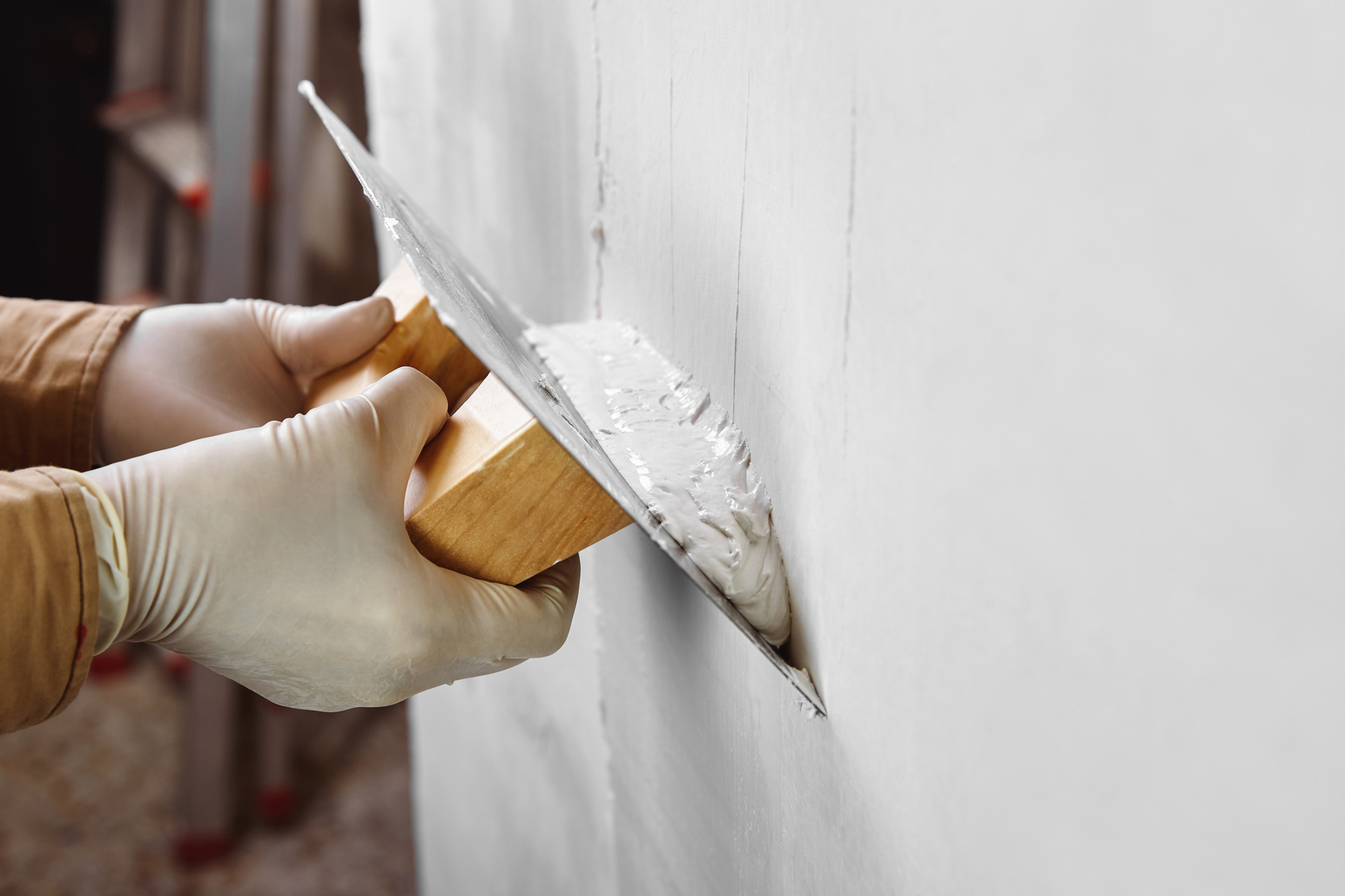
Plastering in Bryanston
Skimming, dry lining repairs and render across Bryanston and DT11, checked by hand before anything is priced.
The site visit is free and so is the written itemised quote. Thomas Hannen prices every job himself.
Plasterboard stuck to blockwork on dabs is meant to sound hollow, and that is how a lot of the newer Bryanston houses were built. So a wall that drums when you knock it is probably fine. Knowing which walls are dry lined and which are solid plaster changes the repair and the price, so it is the first thing we check.
The jobs that bring people here are usually one of three. A crack has opened along a line in a wall or ceiling and keeps coming back however often it is filled. A room has been stripped for decorating and what is underneath is patchy and damaged around the sockets. Or a property is being turned around between tenants and every surface has to be paintable by a fixed date.
We go through the house with you, tapping walls and checking where the boards and joints run to find out what is solid and what is lined. That takes a few minutes and it saves an argument later, because a dry lined wall and a floated wall need different work and a quote that has not told them apart is a guess. Then you get a written itemised price with the rooms, the method and the days in it.
The work
Filling a taped joint again does nothing
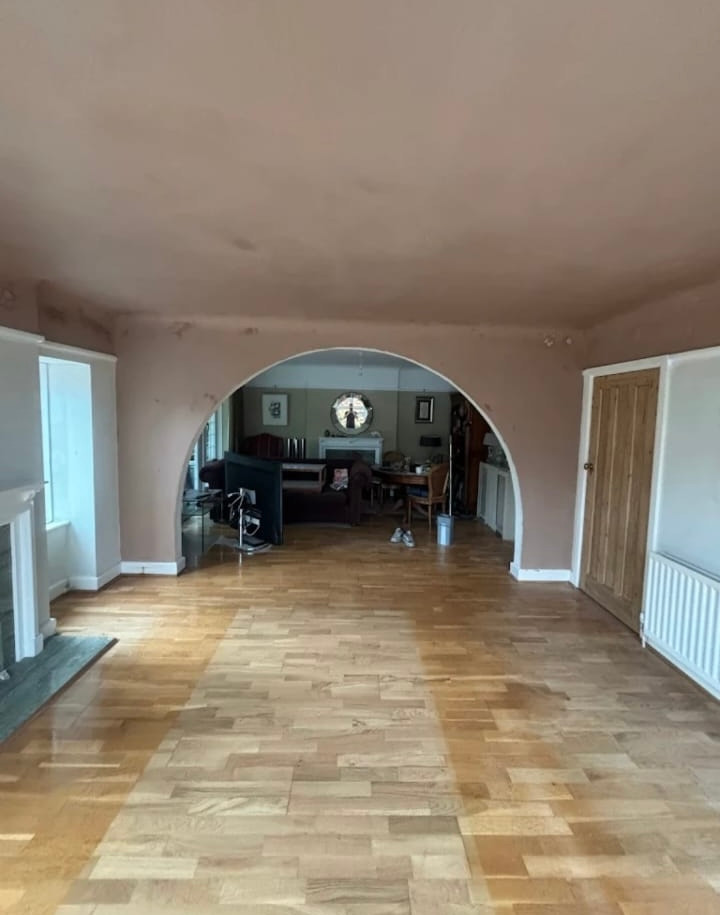
Dry lining repairs and full skims. Round Bryanston close to three in ten homes went up between 1983 and 2008, and in those the walls are plasterboard on dabs with the joints taped rather than plastered. When a joint cracks, filling it again does nothing. We cut the tape out, re-tape the joint properly and either feather it in or skim the whole wall so there is one continuous surface and nothing to telegraph through the paint later.
Solid walls that are floated and skimmed. The older houses, the terraces and the estate cottages are a proper backing coat on masonry with a finish over it. Where it has blown, the loose material comes off and goes back in bonding, browning or hardwall depending on the background, then two passes of finish coat. We sound the whole wall by hand first, because taking off sound plaster is the fastest way to make a small job into a big one.
Ceilings: cracked board joints, ceilings papered too often, artex nobody wants, and ceilings damaged where a bathroom above has leaked. Overboard and skim where the existing ceiling is sound and firmly fixed, take it down and start again where it is not, and check the joists and any wiring while it is open.
Nearly a third of the housing here is terraced and close to a quarter is flats, which means work between tenancies with a hard date at the end of it. Making good around sockets and radiators, patching where furniture has gone through the board, a full re-skim where the walls have had enough, and out on time. We work to the date in the quote or we tell you before you book it.
New work is splitting a room, lining a garage conversion, boarding a loft room out. Timber or metal stud, boarded and taped, insulation and vapour control where the wall is external, then angle bead and stop bead on every corner and reveal so the finish holds a straight line against the joinery.
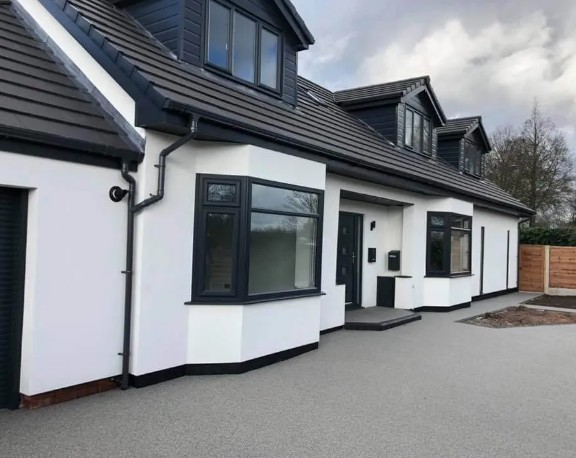
Outside it is sand and cement that has crazed or come away around openings, pebbledash that is hollow behind, and rendered plinths taking splash off the ground. Patch repairs are cut back to something sound and made good in a matching mix. A full elevation is rebuilt as a primer, a mesh-reinforced basecoat and a silicone thin coat, K render or monocouche topcoat, with a bell cast at the bottom. Inside the conservation area what goes back matters as much as how it goes on.
Salty, crumbling plaster at skirting height is not a plastering fault, it is a symptom. We find out where the water is coming from first, and the replastering happens when the wall is dry rather than as a way of hiding it.
How it runs
From your call to a written price
Tell us the address and what the wall is doing. The site visit and the written quote are free, and the quote is itemised. Bryanston sits inside the Blandford St Mary and Bryanston Conservation Area, so the appearance of an outside wall is controlled: repairing a render like for like is maintenance, changing its material or finish is not, and Planning Portal sets out where that line falls. Where a building is one of the eleven listed entries here, altering historic plaster or render needs listed building consent before anybody starts. Inside a modern house ordinary replastering needs no permission, though taking a whole elevation back to the blockwork brings Approved Document L and building control in.
Cost
What decides the price
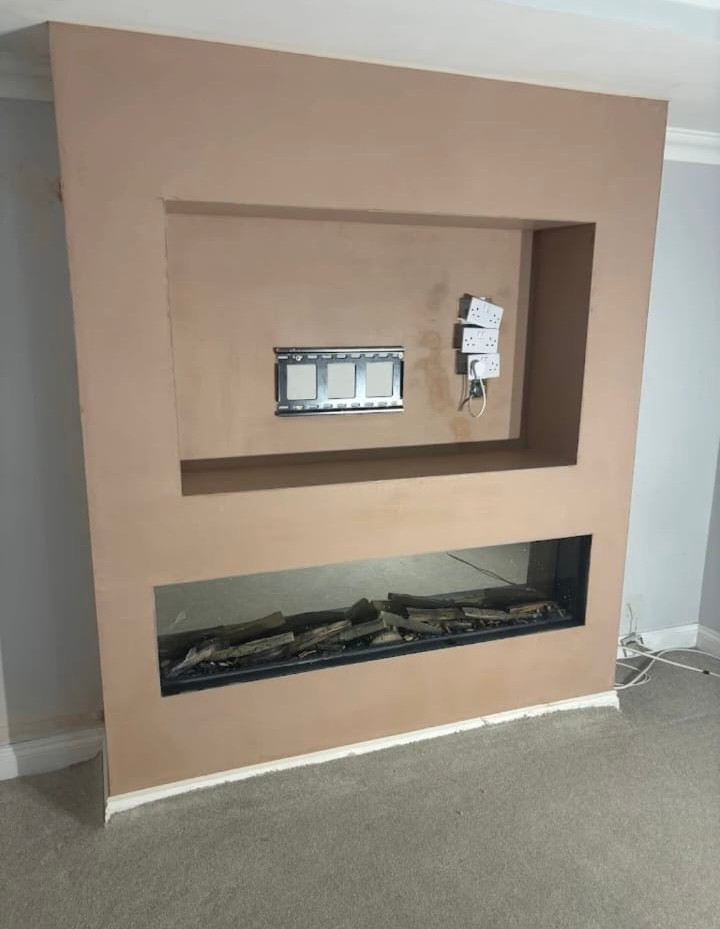
No rate per square metre. What is behind the surface decides it: plaster still stuck takes a skim, plaster that sounds hollow comes off and brings a backing coat and a second visit with it. Most of what we price here is a terraced house, a flat in a converted building or a newer place on one of the estate roads, and a dry lined wall is a different job from a floated one. Ask any quote whether a backing coat is included or only a skim, whether the beads are new, and who takes the waste.
If it has let go
Plaster coming down today
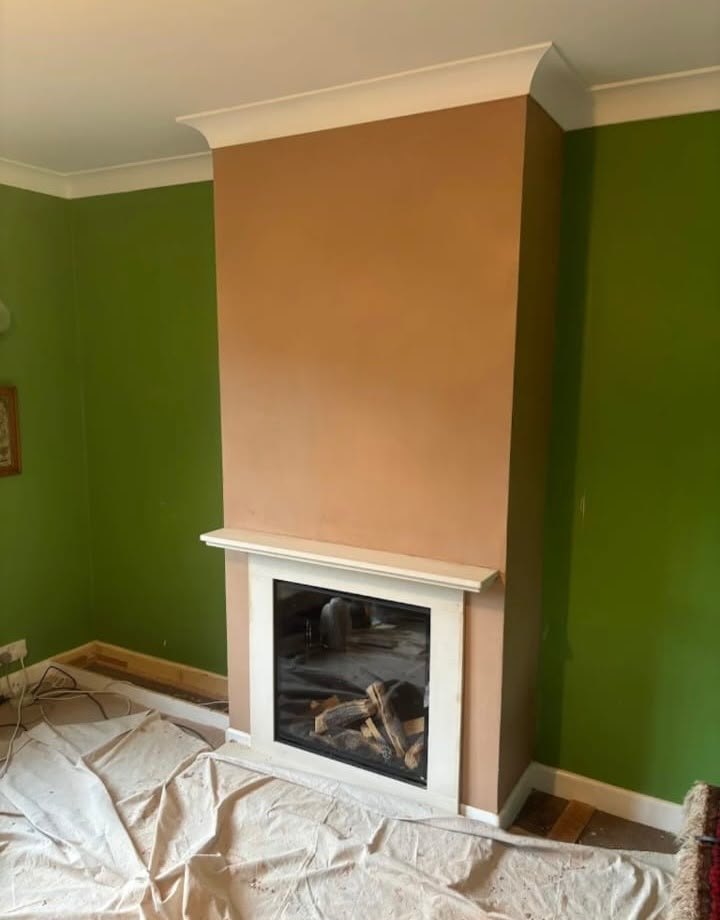
Ring rather than use the form. A ceiling that has dropped at one end, or plaster bulging after a leak, goes to the front of the queue. Keep the room shut. In a dry lined house a leak from above shows first as a sagging board edge along a taped joint, and a board that has been properly wet does not recover: it wants cutting out rather than drying.
One local thing
Hollow walls here are normal, not a fault
A big share of the housing around Bryanston is modern enough to be dry lined rather than plastered, and that one fact explains most of the confusion we get asked about. Dry lining means plasterboard stuck to the blockwork on dabs of adhesive, with the joints taped and filled and sometimes a thin skim over the top.
There is a deliberate air gap behind the board, so the wall drums when you tap it. That is the wall working as designed, not plaster that has blown, and it is worth knowing before you take a quote from somebody who has knocked once and told you the whole house needs hacking off.
It does change two practical things. Fixings first: a heavy mirror, a wall mounted television or a radiator needs a fixing that reaches the blockwork behind, because a plug in the board alone pulls out and takes a fist sized piece with it. Second is how these walls fail.
They crack along the taped joints, at board edges near ceilings and reveals, and around sockets where the board is cut short. The repair is to cut out and re-tape rather than skim over a joint that is still moving, and where a house has cracked in several rooms a full skim over the boards is better value than chasing joints one at a time.
Who you are dealing with
A local firm you can check
We cover Bryanston and DT11, across the river into Blandford Forum and Blandford St Mary, and out through Durweston, Stourpaine and Spetisbury. Bournemouth Roofing & Building Ltd, registered in England and Wales, company number 15471719, which you can look up in a minute. Thomas Hannen's business, and he is the one who comes out to price the job, not a salesman. A verified customer's 10 out of 10 on Checkatrade. The visit and the written quote are both free.
Questions
Bryanston questions we get asked
Our terraced house shares a wall. Will the neighbours be affected?
They will hear it, because a shared wall carries sound straight through and hacking off is the loudest part of the job. Terraced housing is the largest single type in Bryanston at 31.1%, so we plan around it: noisy work in one block in the morning, quieter work after. Give the neighbour a day's notice. If the party wall itself is coming back to brick we would rather they knew before we start.
Our 1980s walls are boarded, not plastered. Can they be skimmed?
They can, and it is the usual job here. The building peak in Bryanston is the 1970s and early 1980s, with a further 28.7% put up between 1983 and 2008, so plenty of walls are plasterboard fixed on dabs with taped joints rather than a solid backing coat. A skim across the lot gives one continuous surface. We refix loose board and fill the voids at the edges first so nothing cracks along a joint.
Does the Blandford St Mary and Bryanston conservation area affect render?
It affects how it looks. Repairing the render you have, in the same material and finish, is maintenance and nobody needs telling. Swapping a lime or sand and cement face for a modern coloured system, or changing the colour, is a change of appearance and Dorset Council will want to see it. The wider Dorset landscape designation means anything visible from outside gets looked at properly. Ask before the material is ordered.
Bryanston School is listed. Does that affect the houses nearby?
Not unless your own house is on the list as well. Bryanston has 11 listed entries and the Portman Chapel at the school is one of them, but listing attaches to that building and its curtilage, not to the street around it. Your house is caught instead by the conservation area rules on appearance. If your place is listed then internal plaster is covered too, and lime stops being optional.
Where does all the old plaster and rubble end up?
In the van, the same day wherever we can manage it. Hacked off plaster is heavy and dusty and it is not sitting on a Bryanston pavement overnight, so we bag it as we go and load out at the end of each day. New boards get stacked flat rather than leant against a car. Waste removal is a line on the written quote instead of something that appears at the end.
Nearby, and next door
Plastering and rendering near Bryanston
Plastering and rendering nearby
Our other trades in Bryanston
Everything we do in Blandford Forum Plastering and rendering, all areas Every area we cover
Free quote
Cracks that keep coming back?
Tell us the address and which rooms are doing it. The visit is free and so is the written itemised quote.