Plastering in Spetisbury
Lime plaster and lath ceilings in the old cottages, re-skims and render on the newer houses, across Spetisbury, Charlton Marshall and the DT11 villages.
The site visit is free and so is the written itemised quote. Thomas Hannen prices every job himself.
Last updated
In Spetisbury the question is nearly always the same: is the wall wet, or is the plaster simply worn out? Those are two different jobs and only one of them starts with a trowel. We find out which you have before quoting either.
A Spetisbury plastering job starts low on a wall, overhead, or with a tired room. A patch low down on a wall that darkens every winter and comes back through whatever is painted over it. A ceiling in an older cottage that has begun to bow and shed dust. Or a room that is perfectly dry and just tired, where the paper has come off and taken the face of the plaster with it.
The third one is straightforward and we can price it on the spot. The first two are not, because plaster is the symptom rather than the cause, and putting new plaster over an active problem hides it for one winter. We look at the outside of the wall as well as the inside, and tell you what has to happen first even when that means we come back in a few weeks.
The work
Heavy traffic keeps opening the same hairline cracks
Heavy traffic keeps opening the same hairline cracks. The main road runs through the middle of Spetisbury and heavy traffic does old lime plaster no favours. Filler along a hairline crack in a solid wall lasts a season. Where the plaster behind it is sound we bond the crack, scrim it and skim the wall out, so the repair is not a line waiting to reappear.
The old cottages strung along the village are solid walled, some cob, some brick with flint, and they were built to take moisture in and give it back up again. Where somebody has skimmed one in gypsum or rendered it in sand and cement, the water finds another way out and the finish blows in a patch, usually low down. The repair is to take off what has failed, put on a lime backing coat and finish breathable. Their ceilings are thin riven laths with haired lime pushed between them, and when the keys above snap the ceiling starts to belly. A sound one is worth keeping and we overboard and skim over the top. One that moves under your hand comes down instead, and goes back in board, tape and joint and a skim, with the joists checked while everything is open.
Half the village is post-war and seventies stock, and that is a different animal: blockwork with a browning backing coat, plasterboard ceilings and a fair amount of artex, which takes a straight re-skim or overboarding where the coating is staying put. Outside it is lime render on the old walls, and on modern blockwork a scratch coat, a mesh reinforced basecoat, a bell cast bead at the base and a silicone thin coat topcoat. Pebbledash gets patched into where the rest of the elevation is sound and there is no honest case for redoing the lot. For the outside walls, see rendering in Spetisbury.
How it runs
Plastering a room here, from dust sheets to dry walls
Thomas looks at the room, taps the walls and ceilings to find hollow patches, and checks what the old plaster is. He prices it himself. The quote lists preparation, anything that has to be hacked off, the backing coat, beads at corners and reveals, the skim, making good around sockets and frames, and waste removal. One point of contact runs it from start to finish.
Most homes in Spetisbury were built in the late sixties and seventies, with plasterboard ceilings and gypsum plaster on blockwork or brick, and what they tend to need is a cracked ceiling mended, a wall made good after a rewire, or a skim over tired walls. The older cottages along the main road can have lime plaster and lath ceilings, which want lime back rather than gypsum. Floors are covered, doorways sealed with dust sheets, and everything is cleaned and carried out each day. If hacking off exposes damp, or a lintel problem, we show you a photo and tell you the cost before carrying on.
No conservation area covers the village. On the listed entries in Spetisbury, consent reaches inside as well, so removing old lime plaster or a lath ceiling needs listed building consent from Dorset Council. Re-rendering a whole outside wall brings in building control, as Approved Document L treats it as renovating a thermal element.
Cost
Hacking off, beads and drying time
We do not charge by the square metre, because what is behind the surface sets the time. What is already there. A skim over sound plasterboard is quick. Blown gypsum on old blockwork has to be hacked off and the wall floated again with a backing coat. A lath ceiling in an older cottage may need repair in lime, or overboarding if the house is not listed.
The fiddly parts. Window reveals, chimney breasts, stairs and archways each need beads cut and set true, and they take longer than a plain wall. A seventies house with a lot of textured ceiling coating can also need that dealt with before a skim will bond.
Whether the room is empty. A cleared room goes quicker than one we have to work around and protect.
Drying. A backing coat needs time before the skim, and lime needs longer again. Rushing it brings cracks, so the programme is part of the price.
Outside render. External work needs a tower or scaffold, set by the work at height rules, and it appears on the quote as its own line.
Ask anyone else quoting whether they are skimming over or hacking off, which beads they allow for, and whether making good after an electrician is included.
If it has come down
A ceiling sagging, or plaster down after a leak
If a ceiling is bulging with water, get everyone out of the room and switch that lighting circuit off at the consumer unit. Put a bucket underneath; a small hole at the lowest point lets the water out slowly rather than all at once.
Nobody should stand under a lath ceiling that has started to drop. First we check where the water came from, then take down or prop anything loose so the room is safe, and price the replastering once it has dried out. Booked plastering runs Monday to Friday, 8am to 6pm. When a ceiling is moving, a phone call is better than the form, and if it rings out, expect our call back once we are free.
Worth knowing
Why a wet wall has to dry before it is plastered
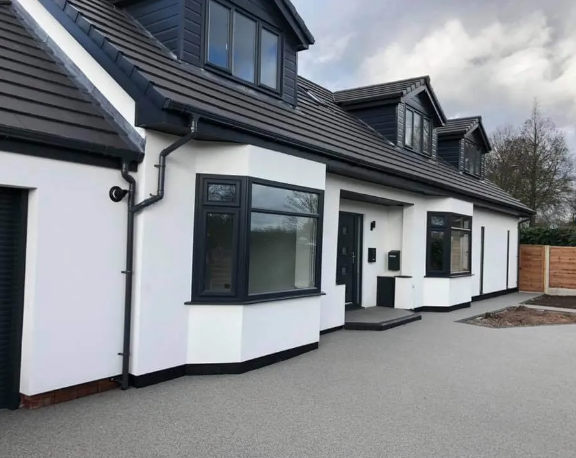
The village has a good number of pre-1919 cottages, and it sits low in the Stour valley. Put those two together and you have the usual reason plaster fails here. A solid wall with no cavity has no barrier in it and never had one, so it deals with water by letting it evaporate off the face.
If the ground outside has crept up over the years, if a hard cement render or a hard pointing has sealed the outside, or if a gutter is running down the wall, the water cannot leave that way and comes inland instead. New plaster over that will be back within a couple of winters, whatever it cost.
So the order matters. Clear the outside first: ground levels, rainwater goods, and any hard render or pointing that is trapping moisture. Then let the wall dry, which takes weeks rather than days and longer on a thick wall.
Then plaster it in something that can breathe, a haired lime backing on lath or a lime plaster on the solid wall, with gypsum kept for the partitions and the modern extension where it belongs. We would rather quote in two visits and get that order right than come back to the same patch in two years.
Who you are dealing with
Your plasterer for the DT11 villages
We cover Spetisbury and the villages around it, among them Tarrant Keyneston, Shapwick, Blandford St Mary and Charlton Marshall. The drive from our Boscombe base is 14.2 miles, and Dorset Council is the building control body here.
The plastering is done by Bournemouth Roofing & Building Ltd, whose company number is 15471719, registered in England and Wales. Thomas Hannen, whose business it is, comes to look at the walls and ceilings and prices the job himself. Our Checkatrade profile carries a verified customer's 10 out of 10. The site visit is free, as is the itemised written quote. Before you book a visit in Spetisbury, you can read our customers' Google reviews, word for word, on our reviews page.
Planning at a glance
Do you need planning permission in Spetisbury?
Most repairs in Spetisbury need no application at all. What decides whether a change to the outside of your house does is who the council is, whether a conservation area or a listing applies, and whether the place sits in a protected landscape.
| Question | In Spetisbury |
|---|---|
| Who decides | Dorset Council is the planning authority for Spetisbury. Dorset Council's heritage pages set out what it controls. |
| Conservation area | None covers Spetisbury, so a like-for-like repair is ordinary maintenance. |
| Listed buildings | Yes, there are listed buildings in and around Spetisbury. If yours is one, work can need listed building consent. |
| Protected landscape | No National Park or National Landscape covers Spetisbury. |
Questions
Questions about plastering in Spetisbury
Barely any flats in Spetisbury. Does that make things simpler?
Usually, yes. Very few homes in Spetisbury are flats, so almost every caller owns the whole building and can instruct the work without a freeholder, a managing agent or a service charge consultation in the way. That means we can start when you say so rather than when a block decides. The other side of it is that the whole outside is yours to look after, including the elevations you never walk past.
Can a lath ceiling be saved, or must it come down?
That depends on whether the nibs have gone. Spetisbury has plenty of pre-1919 cottages, so lath ceilings turn up here often enough, and the plaster is held up only by the lumps that squeezed through between the laths. Where those have crumbled the ceiling sags and there is nothing left to fix to. Where they are intact and only the finish has failed, it can be screwed back through washers and skimmed instead of stripped.
Half of Spetisbury is post-war. Does that change the method?
It splits the work into two kinds. Just over half of Spetisbury went up between 1945 and 1982, the biggest run of it in the late sixties and early seventies, and that stock takes a straightforward bonding coat and multi-finish, or a simple over-board. The older fifth needs lime and takes longer. On a village street the two sit next door to each other, which is why I will not quote from a description over the phone.
We are converting a barn. Is it likely to be listed?
Quite possibly, yes: Spetisbury's listed entries run from the Church of St John to buildings such as Speedwell Cottage and Cedar Court, and a barn can be listed in its own right or protected as part of the house it serves. If yours is one of those, or stands in the curtilage of one, the internal plaster is part of what the listing protects and stripping it needs consent. On an unlisted barn the real question is whether the walls are dry enough to take a finish yet.
What should we look at before we ring you?
Push up on the ceiling with the flat of your hand and see whether it moves. On the older Spetisbury properties a ceiling that gives even a millimetre or two is usually a lath ceiling losing its key, and that is a different job from a cracked skim on board. Then photograph any crack against a tape measure. The width tells me far more than the length does, and it often saves a second visit.
Nearby, and next door
Plastering near Spetisbury
Nearby places we also cover for plastering, with straight-line distances from Spetisbury, and the other trades we offer in Spetisbury itself.
Plastering nearby
Our other trades in Spetisbury
Plastering and rendering guides
Silicone, cement or lime: which render? Cracked render: which cracks matter Hollow-sounding wall: blown plaster or dot and dabEverything we do in Blandford Forum Plastering, all areas Every area we cover
Free quote
Find out whether that wall is wet or just worn out
We will look at both sides of it, tell you what has to be fixed before any plaster goes on, and give you a free written itemised price.