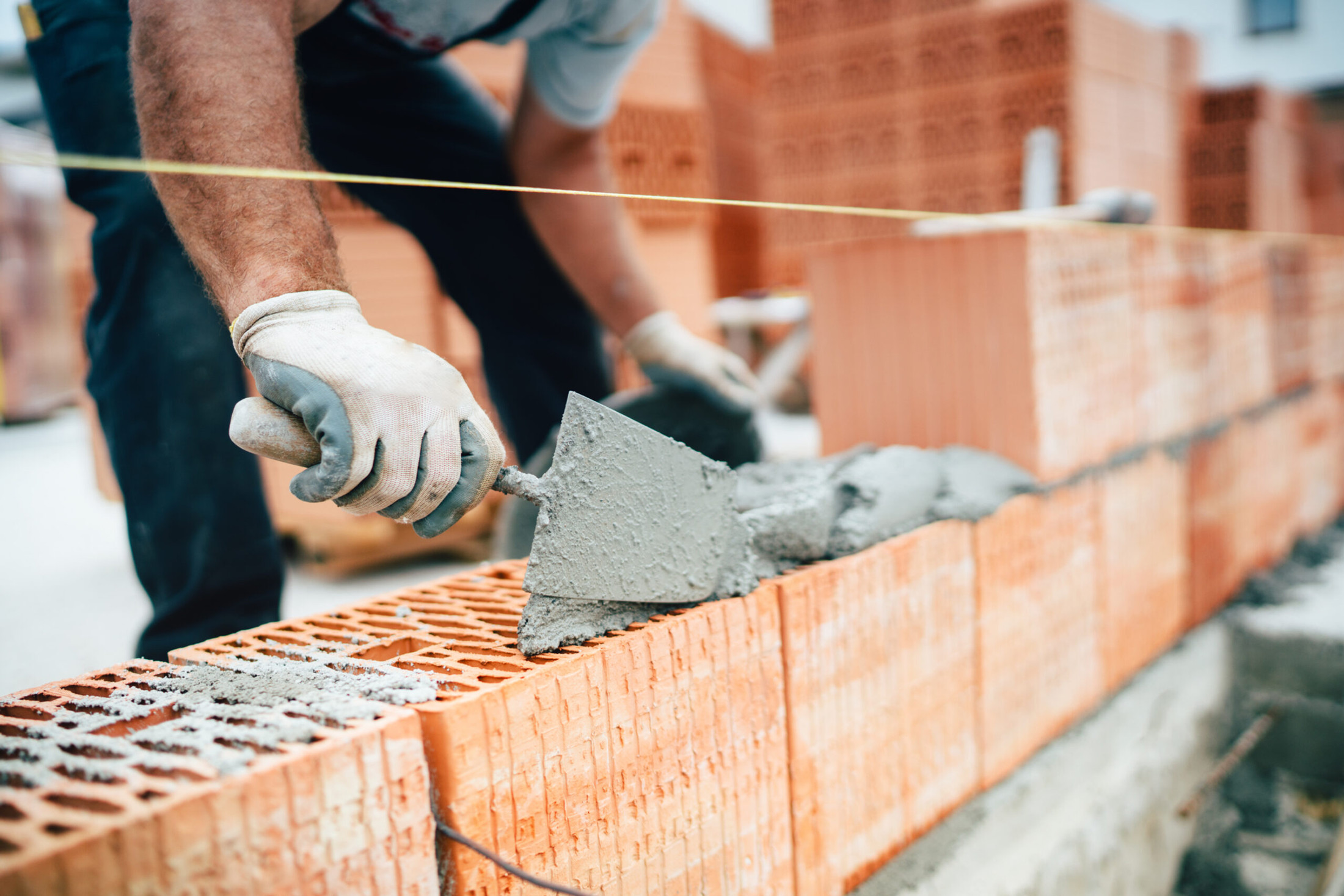
Bricklaying and repointing in Hyde
Repointing in lime or gauged mortar, brick repairs, outbuildings and boundary walls around Hyde and Frogham. We look at the ground line before we price the wall.
The site visit is free and so is the written itemised quote. Thomas Hannen prices every job himself.
On old walls around Hyde the damage nearly always starts at the bottom, not the top. If your base courses are soft and the rest of the wall looks fine, deal with the water first and the brickwork second, or you will be paying for the same repair twice.
The jobs we get called to out here have a pattern. The bottom two or three courses of a wall have gone powdery and a few brick faces have dropped off into the border. A garden wall along the lane has started to lean after a wet winter. A stack on an old cottage has lost its pointing and its flaunching together.
Or somebody has taken on a place with outbuildings and needs to know which walls are sound and which are being held up by habit. We come out, get down to the ground line, scrape a joint, and find out what the wall is built of and what is happening around its base. Then it goes in writing, itemised, so you can take the urgent part first and leave the rest.
The work
The brickwork we are called to around Hyde
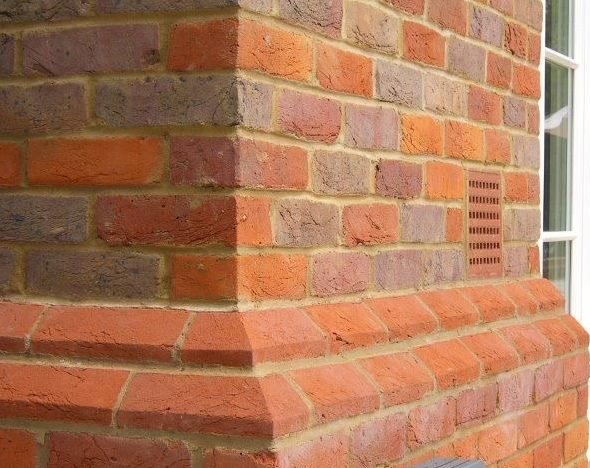
Base courses, and walls standing in wet ground. This is the most common repair here. Huckles Brook runs a few hundred metres off, the surface water risk across Hyde is high, and where ground water sits against a wall, or the ground level has crept up over the years, the bottom of the brickwork never dries out. The mortar in those joints turns soft and sandy, white salts appear on the face, and the first hard frost takes the faces off. The fix is not more pointing. It is getting the levels back down, giving the water somewhere to run, then rebuilding the affected courses in a frost resistant brick on a sulphate resisting mix, with a damp proof course where one can be worked in.
Where the wall is solid and the brick soft and handmade, it only works if it can breathe. That means NHL lime and sharp sand, with no cement anywhere in the mix, raked and pointed to the profile the wall already carries. A good deal of what we are asked to look at was pointed in hard cement decades ago and now pushes moisture out through the brick instead of the joint. Taking that cement out without damaging the arris of a soft period brick is slow, careful work and it is the part of the job worth paying for.
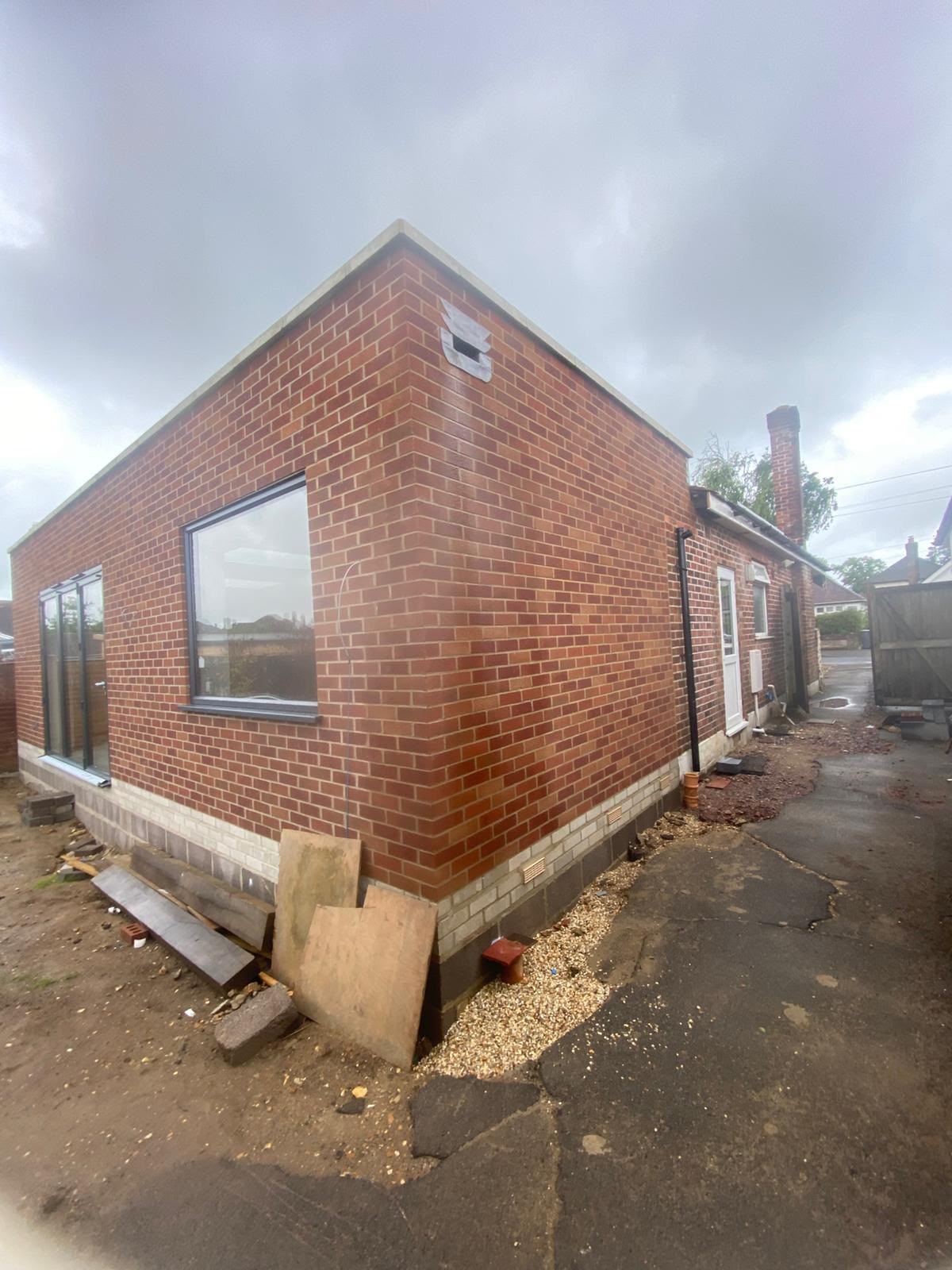
Then there are the stables, stores and field shelters: single skin brickwork, brick piers carrying a roof plate, and timber lintels over the openings that have rotted where the wall stayed wet. Widening a doorway, rebuilding a gable end, replacing a pier clipped by a trailer, taking a wall down to a sound course. All of it depends on what the footing is doing, which is why we dig a hole rather than quote off a photograph.
A stack is exposed on all four sides and gets no shelter at all, so it is usually first to need repointing, along with new flaunching around the pots once the old bed has cracked. Access is most of a stack job, so the pointing, the flaunching and any frost damaged brick in the top courses are worth doing in one visit. Long walls beside the lanes, gate piers and retaining brickwork where the ground steps get the same treatment: a foundation dug to firm ground, proper footings, a dpc, and a coping that throws water clear of the face. Part of Hyde falls inside the Western Escarpment conservation area, so on anything visible the brick and the mortar are agreed off a sample before we start.
How it runs
From your call to a written price
Same team from the first visit to the last, one person to ring, and the quote itemised: access, raking out, the mortar mix, the area of each elevation, any brick replacement and disposal on separate lines. Repointing in the same materials is repair, so nothing has to be applied for. Hyde is inside the New Forest National Park, part of it falls within the Western Escarpment conservation area, and there are 21 listed entries in the parish, so appearance is controlled and on a listed building the consent has to be in hand before a joint is raked. National Park heritage and conservation guidance sets out what the Authority expects, and we check the address before quoting. A shared wall brings in the Party Wall etc. Act 1996.
Cost
What decides the price of a brickwork job
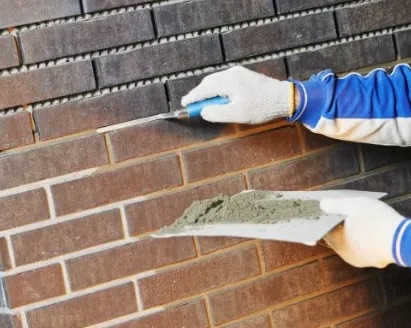
No rate per square metre: the metre of wall tells you nothing until you see the joints. Somewhere a van can pull onto hard standing, somewhere every barrow crosses a lawn, and a stack needing a scaffold to the ridge are three prices. How long the platform stands matters as much as its size, and the work at height rules are why it is a priced line. Raking by hand is slow, so joint depth and spalled faces decide the hours, and matching a mortar or sourcing a brick takes trial panels. Ask how deep joints are raked, by hand or disc, and whether the scaffold is in.
If something has moved
Loose brickwork, or a wall that has shifted
Ring rather than use the form. Anything overhead or leaning goes to the front of the queue. Hyde is fourteen miles out, so tell us what has moved and how close it is to a door or a lane, and we will say on the phone when we can get to you. The first visit is about making it safe. The phone is answered 24 hours for emergencies; scheduled work runs Monday to Friday, 8am to 6pm.
Worth knowing
Surface water is what decides how long your pointing lasts
Hyde sits outside the river flood zones, which is the number most people check, but the surface water risk across the parish is rated high and there is a brook running close by. Those are two different things. Surface water risk is about rain arriving faster than the ground can take it, sheeting across a garden or a lane and standing wherever it finds a low spot.
Very often that low spot is the strip right against the bottom of a wall. Brickwork will put up with being soaked and drying out. What it will not put up with is never drying out, because the joints stay wet, the salts in the ground go to work on an ordinary cement mortar, and every frost takes another layer off the brick faces.
So the useful thing to do before you spend money on pointing is to watch where the water goes in a downpour. Ground levels that have crept up above the damp proof course, a new path or a raised bed against the house, a soakaway that has silted up, a ditch nobody has cleared: any of those will undo a repointing job from underneath.
You can check what is on record for your address with the government flood risk service. Where a wall genuinely has to stand in wet ground, we build the bottom of it to suit, which means a frost resistant brick and a sulphate resisting mix rather than the same mortar used all the way up. That costs a little more at the base and saves the whole wall.
Who you are dealing with
A local firm you can check
We cover Hyde, Frogham, Gorley, Ogdens, Godshill and Fordingbridge, SP6. Bournemouth Roofing & Building Ltd, registered in England and Wales, company number 15471719, which you can look up in a minute. Thomas Hannen's business, and he is the one who comes out to price the job, not a salesman. A verified customer's 10 out of 10 on Checkatrade. The visit and the written quote are both free.
Questions
Hyde questions we get asked
Does listed building consent cover mortar as well as walls?
It does, because mortar counts as part of the historic fabric. Hyde has 21 listed entries and the New Forest National Park Authority handles consent rather than the district council. Where a listed wall is involved we agree the mix, the sand and the joint finish with the conservation officer before anything is cut out, and normally leave a sample panel for them to see. An unlisted house in the same lane is repaired with none of that.
Is hard pointing the reason our wall face is eroding?
Very often it is. A solid wall gives up its moisture through the joint, so once a hard cement mix has been run over a soft mortar the water has nowhere else to go and leaves through the face of the brick or stone instead, carrying the surface with it. That is why the joints look crisp while the wall between them is powdering. Inside the Western Escarpment conservation area we cut back to sound material and go in with lime.
Huckles Brook is close. Does surface water affect our footings?
Surface water matters here more than the brook does. Huckles Brook is a little over half a kilometre away and the mapped flood zones do not reach Hyde, but the surface water risk band is high, which means rain travels across the ground in a downpour rather than soaking in. Slightly impeded drainage over cohesive soil then holds it against the base of a wall. Where a foundation is rebuilt we set levels and drainage for that, not for an average year.
Is it worth calling you out to Hyde for one wall?
It is worth it. Hyde is a fourteen mile run for us and we are out that way regularly, so one pier, a cracked reveal or a single elevation is a normal booking rather than a favour. The visit and the written quote cost nothing, Thomas Hannen comes himself, and what you get back is itemised across brick, mortar, access and labour. If the honest answer is that the wall can wait, he will say so on the day.
Would the National Park query a new brick outbuilding?
Anything that alters what is seen from the lane draws attention. Hyde lies inside the New Forest National Park and within the Western Escarpment conservation area, so a new outbuilding is judged on how it sits in the landscape as much as on its footprint. Materials carry weight: a hard modern box in a lane of soft old walls is where objections start. We build to match what is already there and would rather you asked the Authority beforehand.
Nearby, and next door
Bricklaying and repointing near Hyde
Bricklaying and repointing nearby
Our other trades in Hyde
Everything we do in Ringwood Bricklaying and repointing, all areas Every area we cover
Free quote
Get a price for your brickwork in Hyde
Tell us the address and which wall is going. We will come out, dig down to the footing and put an itemised price in writing. Free site visit, no obligation.