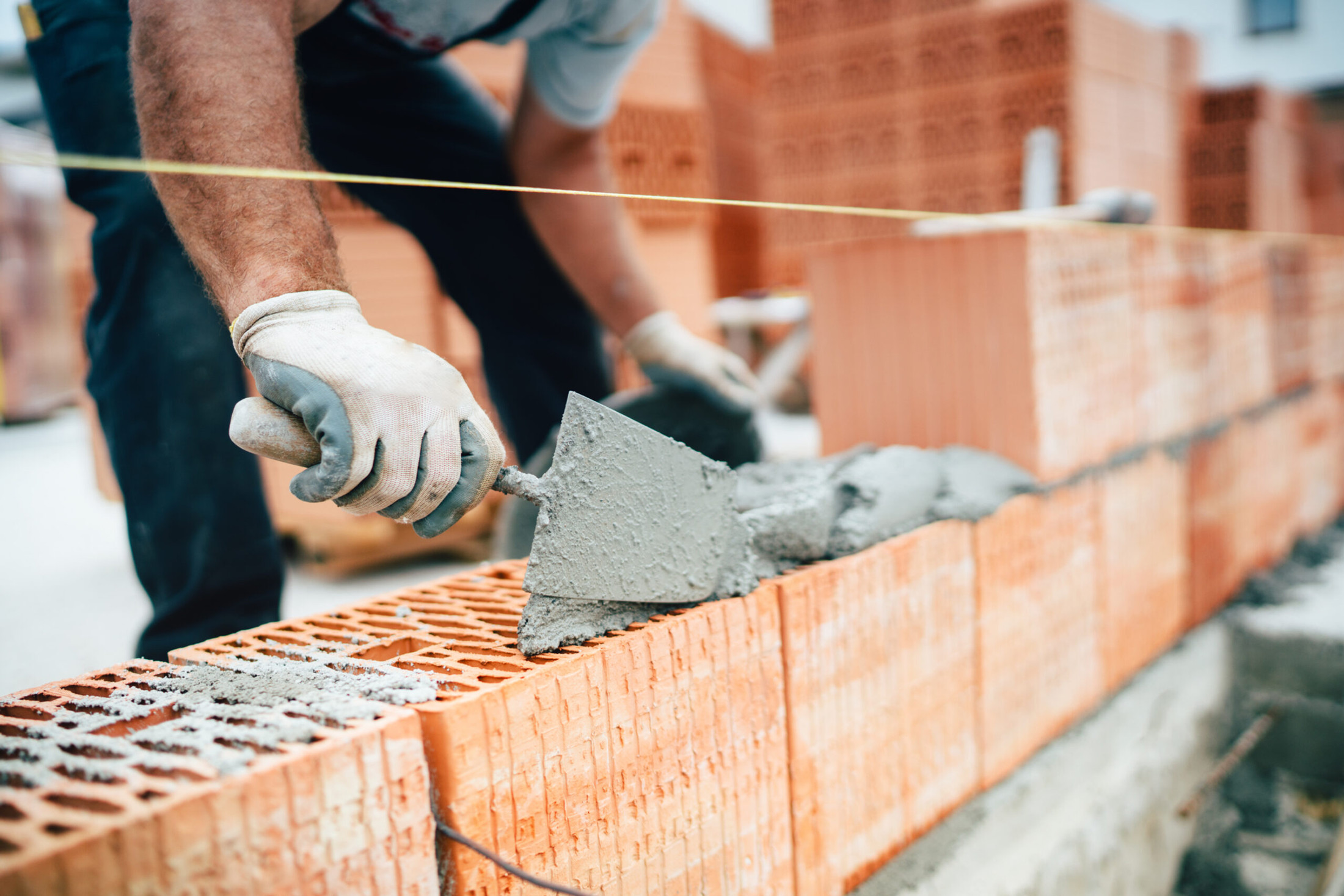
Bricklaying and repointing in Breamore
Lime repointing, brick replacement, chimneys and garden walls on the old brickwork in Breamore and the Avon valley villages.
The site visit is free and so is the written itemised quote. Thomas Hannen prices every job himself.
On old brickwork in Breamore the mortar is supposed to be the weak part. If the joints are crumbling, the wall is doing what it was built to do. The mistake is putting the joints back in something harder than the brick, and that is what most of our work here is undoing.
The calls come in three shapes. Somebody has bought a cottage in the village and the survey has flagged the pointing. A wall that was repointed in cement thirty or forty years ago is now shedding brick faces in strips while the grey joints stand proud of them. Or a boundary wall has bulged and there is a decision to make about whether it comes down and goes back or gets stitched.
All three want somebody to look at the wall properly rather than price it off a photograph. We come out, scratch at a joint, look at what the brick is doing behind it, and tell you what the wall actually needs, including where the answer is to leave it alone for now. The site visit and the written quote cost you nothing.
The work
What we take on in Breamore
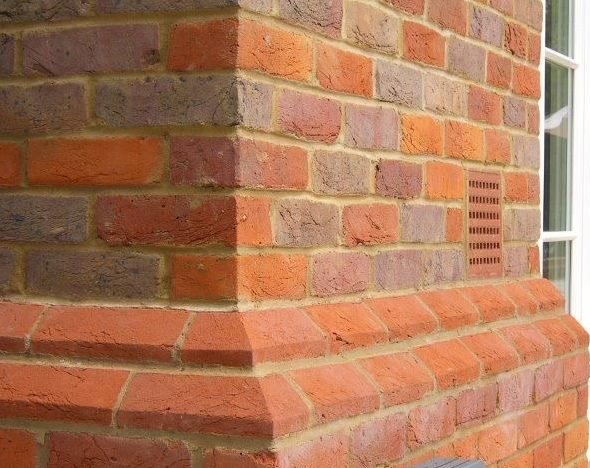
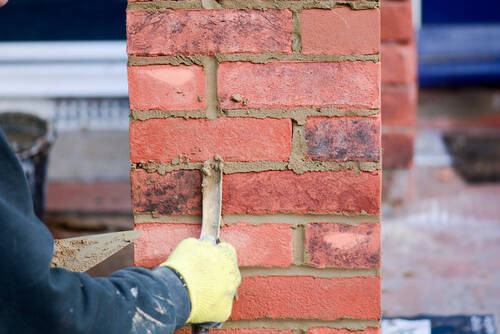
Taking cement pointing back off soft brick. This is the biggest single job in a village like this one. Handmade brick from before the railways is soft and porous, and it was laid in a lime mortar that let the wall breathe and moved with it. When somebody points over that in sand and cement, the water that used to leave through the joint has nowhere to go and leaves through the brick instead. The face spalls, the joint stands proud, and each winter frost takes another layer. We rake the cement out by hand, unit by unit, and point back in an NHL lime mix with a sand matched for colour and grain, finished flush or slightly recessed so the brick edge reads as the face of the wall rather than the mortar.
Walls with no damp proof course. Older brickwork here often has no dpc in it, and never did. The wall handles ground moisture by letting it evaporate out through the lower courses, which is exactly why a breathable joint matters more at the bottom of the wall than anywhere else. Before anyone talks about injecting anything, we look at what has been done to the outside: a raised path, a new bed of gravel or a cement render skirt trapping damp against a solid wall causes more of what people call rising damp than the wall itself does. Where a face has blown past saving we cut the unit out and replace it with a reclaimed brick of the right period, laid so the bond reads correctly rather than as an obvious patch, and sourcing is half the job on an elevation you can see from the lane.
Stacks on the older houses stand well clear of the roof and take the weather from every side, so repointing a stack, renewing cracked flaunching around the pots and resetting a coping that has lost its bedding are the jobs that keep water out of the top of a wall. On a listed building the stack usually has to go back exactly as it was, which means recording it before anything is touched. Free-standing walls here weather from both faces at once and often carry a brick on edge coping that has started to lift, so bowed sections come back to plumb on a proper footing and clipped gate piers are repaired rather than propped. New work is extensions, garden rooms and rebuilt outbuildings in blockwork with a facing skin.
How it runs
From your call to a written price
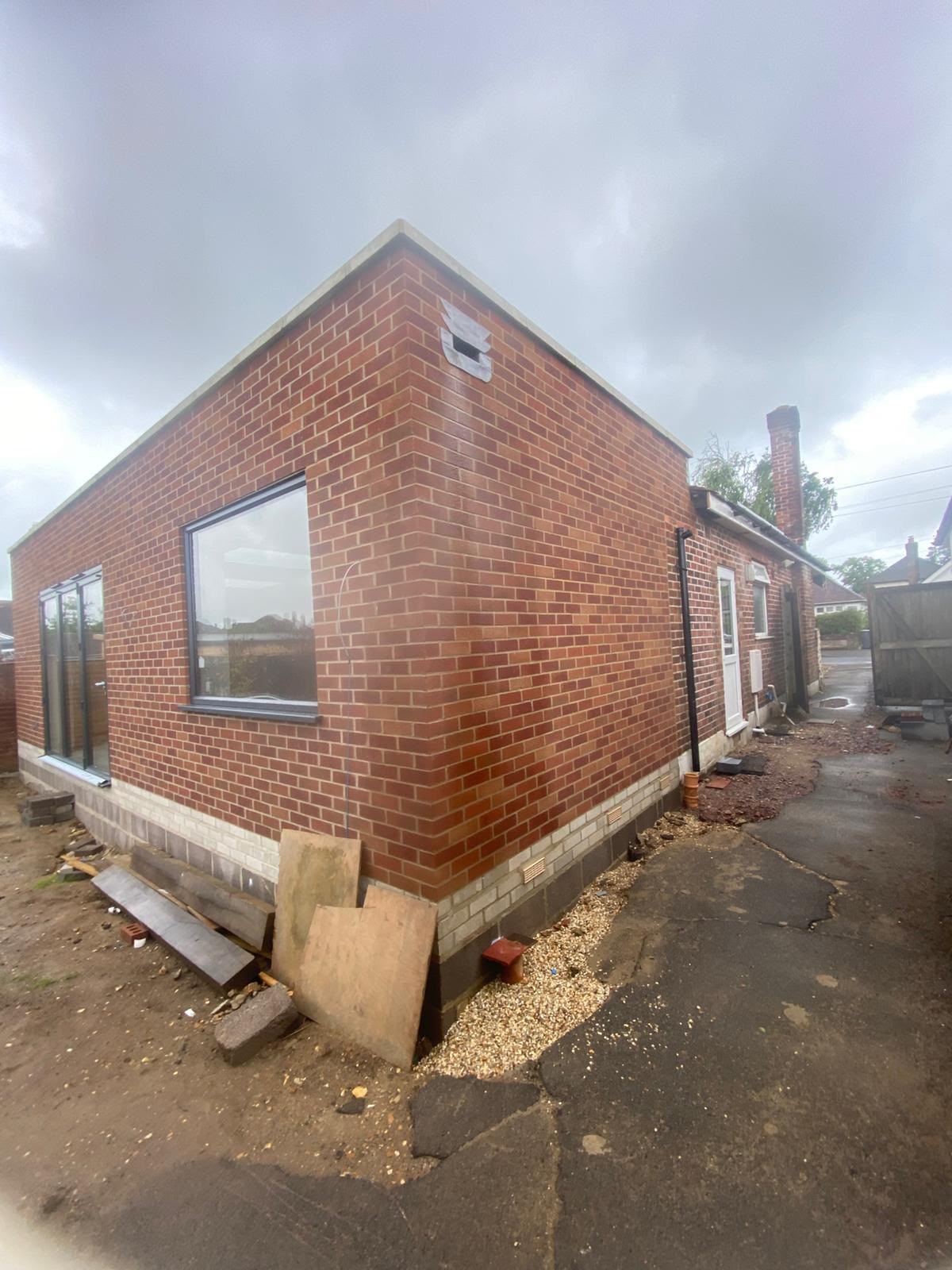
The quote is itemised: access, raking out, the mix, the area of each elevation, brick replacement and disposal on separate lines. On permission, Breamore has its own conservation area and sixty three listed entries, so here the paperwork question is real rather than a formality. Repointing like for like in the same mortar is maintenance. Changing the look of an elevation is not, and the Planning Portal sets out where that line sits. If the building is listed, consent covers work most people would call repair, and the guidance on other permissions is the place to start. We will tell you which side of that line your job falls on before we quote it, and where a wall is shared the Party Wall etc. Act 1996 puts a notice period on it.
Cost
What decides the price of a brickwork job
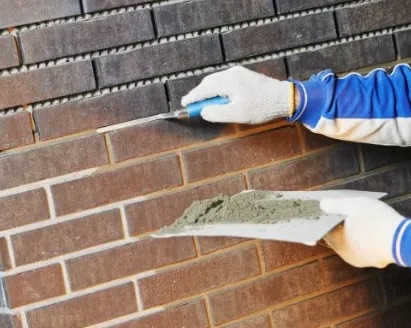
No rate per square metre, because the joints decide it and not the area. A cottage tight to the village street, a barn set back on its own ground, and a tall stack on an old range are three different jobs before a single joint is raked. A chimney or a gable wants a scaffold, and how long it stands is why work at height rules make access a priced line. Raking by hand is slow, and joint depth and spalled faces decide the hours. Ask how deep, by hand or disc, what mix, how many bricks, and whether scaffold is in.
If something has moved
Loose brickwork, or a wall that has shifted
Ring rather than use the form. Anything overhead or leaning goes to the front of the queue, and the first visit makes it safe before we price the permanent repair. In a village with this much old brickwork the calls that will not wait are usually a stack with movement in it, or a boundary wall bulging out over a path. The phone is answered 24 hours for emergencies; scheduled work runs Monday to Friday, 8am to 6pm.
Worth knowing
What the conservation area actually changes for a repointing job
Breamore is a conservation area, and it carries an unusual number of listed entries for the number of buildings in it. In practice that means two things for brickwork.
The first is that appearance is controlled: like for like is maintenance and nobody needs to hear about it, but a change of material or a change of finish is a different matter, and a wall repointed in grey cement where it used to be a warm lime is a visible change whether or not anybody meant it to be. The second is that on a listed building the controls follow the whole structure, including the garden wall and the outbuildings, not just the front of the house.
The practical route is short. Find out first whether your address is listed and whether the work goes past like for like, because that answer decides the timetable, not the scaffold. Then get the mortar agreed before anybody orders material: a sample panel, left to dry and looked at in daylight, settles arguments that drawings do not. The Planning Portal guidance on other permissions covers what consent is needed and when. It is far cheaper to ask that question in February than to take a finished elevation back out in June.
Who you are dealing with
A local firm you can check
We work in Breamore and along the Avon valley either side of it, Fordingbridge, Rockbourne, Sandleheath and Downton, and the SP6 postcode generally. Bournemouth Roofing & Building Ltd, registered in England and Wales, company number 15471719, which you can look up in a minute. Thomas Hannen's business, and he is the one who comes out to price the job, not a salesman. A verified customer's 10 out of 10 on Checkatrade. The visit and the written quote are both free.
Questions
Breamore questions we get asked
Is the whole village inside the conservation area?
Not all of it, and the boundary matters more than the village name. Breamore has its own conservation area where appearance is controlled, so a like for like repoint is maintenance while a change of mortar, joint or material becomes an alteration. New Forest District Council holds the map and will confirm your address against it. Outside the boundary the same repair is ordinary work, which is why we check before quoting a finish.
With sixty three listed entries, could my barn be listed?
Outbuildings here often are. Breamore carries sixty three listed entries and they take in farm buildings such as the barn south of Home Farm Cottages, not only houses, so a range of old outbuildings can be listed in its own right or as curtilage to a listed house. Consent covers repointing, because the mortar is part of the fabric. We check the address on the national list before quoting any old outbuilding.
Should the old cement pointing come off a village wall?
On a soft old wall, yes, provided it can come out without wrecking the brick. Hard cement on a lime built wall pushes moisture out through the face instead of the joint, and on the naturally wet ground around Breamore those walls stay damp long enough for the faces to freeze and spall. Where the cement is well bonded and the brick fragile, we remove what comes cleanly and leave the rest.
Does lime pointing need protecting once it is on?
It does, and that is half the job. Lime sets by carbonating slowly rather than going off hard like cement, so it has to be kept damp and shaded for the first few days and protected from frost for a good deal longer. We hang hessian and sheet the scaffold, then mist the work instead of letting sun or a drying wind pull the water out. At Breamore we will not start a lime elevation late in the autumn.
Does the River Avon designation affect a barn conversion here?
It affects the conversion, not the brickwork. Breamore drains to the River Avon, where the nutrient neutrality test catches new overnight accommodation, so turning an outbuilding into a habitable annexe engages it while repointing that same outbuilding does not. If the barn is listed as well, there are two consents to line up. Settle both with New Forest District Council before the walls are priced, because the scope shifts with the outcome.
Nearby, and next door
Bricklaying and repointing near Breamore
Bricklaying and repointing nearby
Our other trades in Breamore
Everything we do in Verwood Bricklaying and repointing, all areas Every area we cover
Free quote
Get a straight answer on your Breamore brickwork
Tell us which wall is worrying you. We come out, look at it close up, and put the repair in writing.