Roofing in Hyde
Repairs, re-covering, leadwork and rainwater goods around Hyde, Frogham and Gorley, with the National Park side of it sorted before anything is ordered.
The site visit is free and so is the written itemised quote. Thomas Hannen prices every job himself.
Last updated
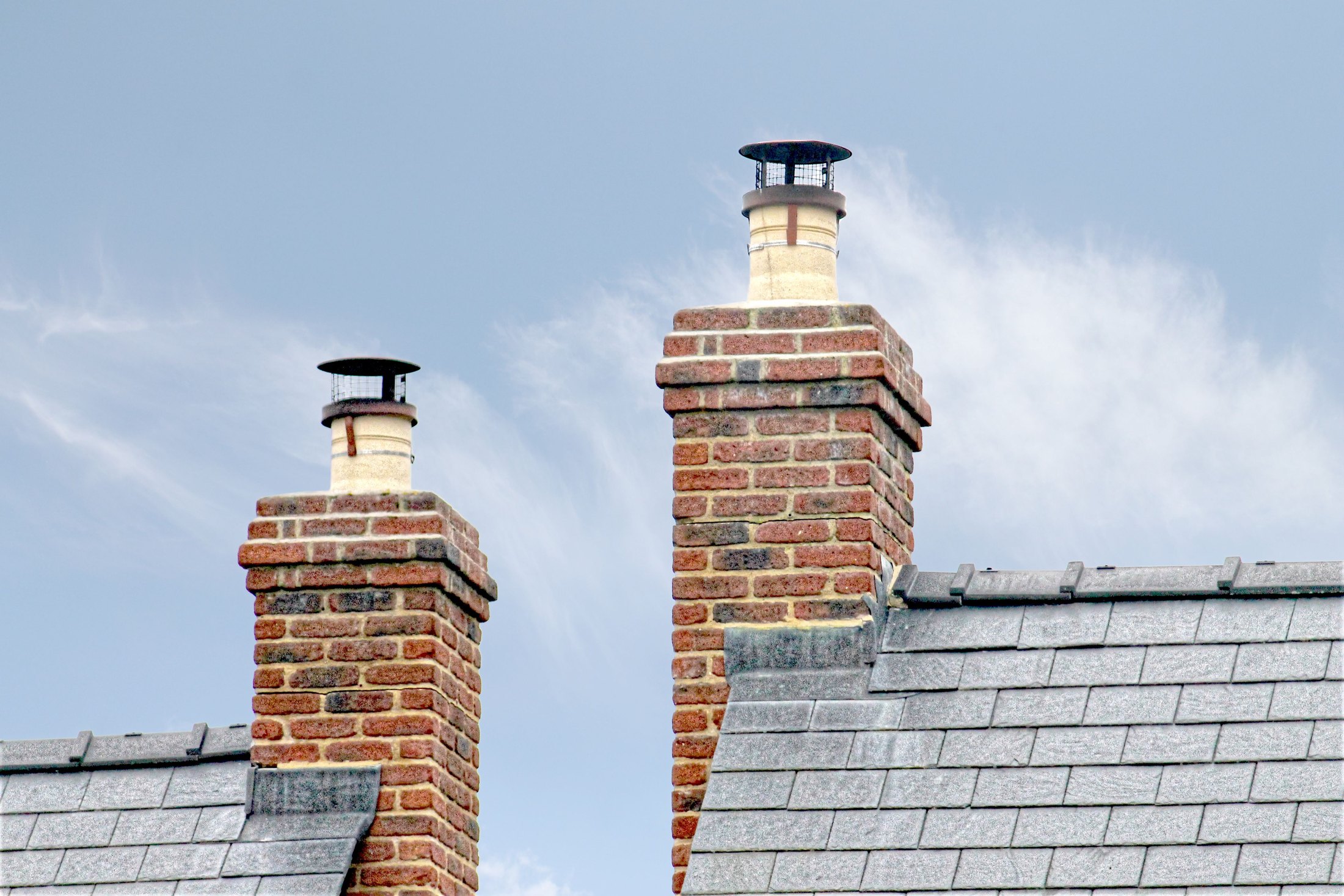
Hyde sits inside the New Forest National Park, so the planning authority for your roof is the Park Authority rather than a district council. That rarely stops a repair. It does have a say in what goes back on, and it is worth knowing before you order anything.
The faults up here are usually a slipped tile after a windy night, a stain spreading across a bedroom ceiling, or a roof that has been patched by three different people and is still letting water in somewhere nobody has found. On an old forest cottage that last one is the hardest to crack, because the stain and the leak are rarely in the same place. If it is coming in as you read this, ring 07435 839745 and we will help you catch it.
We come out, get on the roof where it is safe to be, get into the roof space and photograph the fixings, the timber and the junctions, then trace the leak back to where water genuinely enters rather than treat the place the stain appears. The site visit and the written quote are both free.
The work
Check for bats before a tile comes off
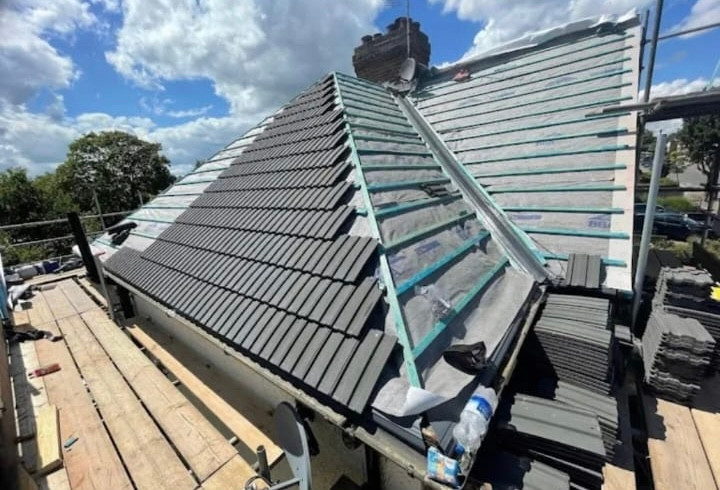
Bats, before anything comes off. This matters here more than almost anywhere else we work. Roof spaces and the gap under the tiles are common roosts, and both bats and their roosts are protected whether or not the bats are there when you look.
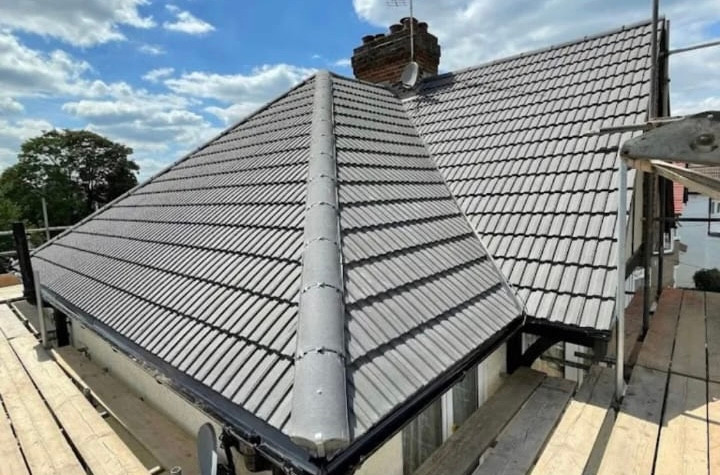
Stripping a roof out of season, or foaming and sealing the underside, is how people get themselves into trouble. If we see droppings or staining at the eaves during the survey we stop and tell you, and the work is planned around it. Nesting birds the same. Otherwise it is slipped, cracked and missing tiles, a ridge tile that rocks, storm damage and the slow leaks that show up two metres from where they start. Coverings vary lane to lane, plain clay tile and natural slate on the older cottages, interlocking concrete tile on the later houses, and the fault is nearly always a fixing or a junction rather than the covering.
Under any covering sit the battens, the underlay and the ends of the rafters. Old bitumen felt tears where it laps into the gutter and a wet fascia follows, and where a slope faces the trees and never dries the batten ends and rafter feet go soft first, so we look from inside before saying anything about the outside. When nails, battens and underlay have gone together the covering comes off, soft timber is replaced and it goes back on breathable membrane and treated battens with matched plain tile or slate. On the newer roofs a dry fix system, dry ridge and dry verge screwed over a ventilated roll, is the mechanical fixing BS 5534 expects, and it goes on where the mortar bedding has cracked, while on an older cottage inside the conservation area we check whether a visible dry verge is acceptable first. Forest cottages carry a lot of junction for their size, and that is where the leaks live: flashings, soakers, back gutters, valleys and the abutment where a catslide or a dormer cheek meets a wall, all in code rated lead. If it is one slipped slate, a single flashing or a leak you want traced, rather than a new covering, see our page on roof repairs in Hyde.
Gutters, the heaviest maintenance here. Oak, beech and holly leaf mats in a valley and behind a hopper, then rots into a plug a hose will not shift, so clearing the run and flushing the downpipes through is the difference between doing it once and doing it every autumn. Algae greens the slopes that never see the sun, and that ends up in the gutter as well. We check where each downpipe discharges too, because surface water sits about on this ground and the nearest watercourse, Huckles Brook, is over half a kilometre off. Insulation and eaves ventilation are far cheaper to sort while the roof is open, and Approved Document L sets the standard a renovated roof must reach.
How it runs
Keeping a roof sound on the edge of the Forest
When you ring, Thomas arranges a time to drive over and see the roof for himself. He looks from the lane and the garden and puts his head through the loft hatch to see the underlay and the battens from underneath. What you get back is an itemised, written quote. Scaffold and access, stripping the coverings, the membrane and battens, the tiles or slates themselves, ridge and verge, any lead flashing and the waste each have a line.
A lot of properties near Hyde sit down narrow lanes or gravel drives, with trees close to the walls, so the scaffold delivery and a spot to stack materials are agreed at the start. At the end of every day the open roof is sheeted and the lane is left clear. Old coverings and timber go away with us. Where stripping reveals a rotten rafter or wall plate, Thomas sends you a picture and a figure for it, and waits for your answer.
Hyde falls under the National Park's own planning authority, not a district council. Repairing or re-covering like for like counts as maintenance. Swapping to a different covering, adding a dormer or putting rooflights on a slope people can see needs a conversation with the Authority first, as does any work to one of the listed buildings in the parish. The Western Escarpment conservation area may reach some addresses here; ask the Authority whether yours is one. Start with the National Park's heritage and conservation guidance.
Cost
Lanes, trees and slate: the cost of a roof out here
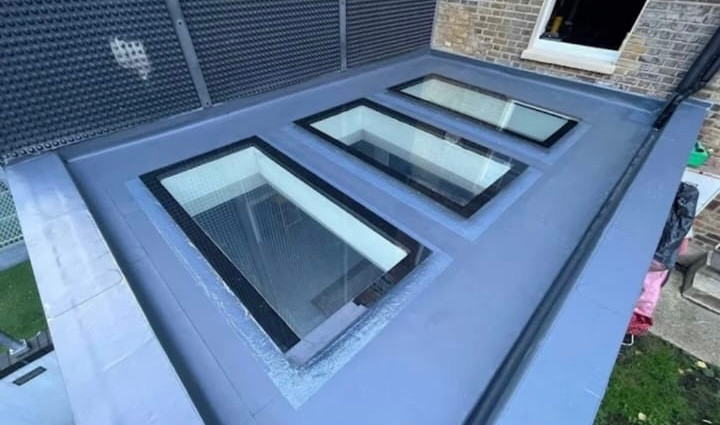
Thomas sets the figure after he has seen the roof, not from a rate card. Around Hyde, these are what move it.
The way in. When a scaffold lorry can only get as far as the end of an unmade track, every tube and board is carried the rest of the way, and that is labour you pay for. Low cottage eaves can sometimes be reached from a tower instead. With forest right up to a taller house, the scaffold has to be planned around the trunks. Because of the work at height rules, access has its own line and is priced on how long it stays up.
Matching what is there. Clay for clay and slate for slate keeps the roof looking as it did, which counts for a lot in a National Park, and a switch of covering can need consent, so that is sorted before anything is bought. Heavier slate or tile means the rafters get checked, and fixings follow the slating and tiling code of practice.
Under the tiles. Perished bitumen felt, battens gone soft, or a roof with no membrane at all adds to the work. Valley lead choked with leaf and moss is another extra to allow for.
Branches overhead. Trees shed into valleys and gutters and keep slopes damp. Some may be protected, so none are cut back until that has been checked.
Before signing anything, ask whether scaffold is in the figure, whether new battens and membrane are included, how the ridge will be fixed, and who removes the old tiles.
If it is leaking now
Slipped tiles or water through the ceiling today
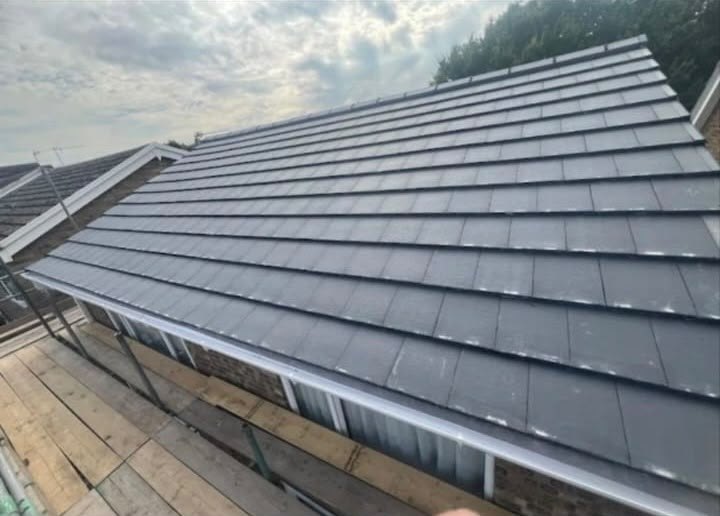
Call us instead of filling in the form. Catch the drip in a bucket, get anything valuable off the loft floor, and turn off the lights beneath the wet patch. Mention on the phone if the house is listed or if bats have ever roosted in the roof, because both affect what can be done and how.
Hyde is 12.7 miles from us, so the first visit aims to settle things in one trip: the slope sheeted, slipped tiles hooked back in, a lifted flashing dressed down. The lasting repair is priced when the roof has dried. Scheduled work is Monday to Friday, 8am to 6pm. Missed calls are returned once we are off the roof.
Worth knowing
The National Park is your planning authority, not the council
People get caught out by this in both directions. Because Hyde does not look like a conservation area, with houses scattered along lanes rather than lined up on a street, owners assume none of it applies and go ahead.
The Western Escarpment conservation area is drawn around the landscape, so an isolated cottage with nothing either side of it is very often inside it. In the other direction, people assume the National Park means nothing can be done, and then live with a roof that leaks.
Both are wrong, and the fix takes ten minutes. Put the address into the National Park Authority's interactive property map and you will see what the property is actually covered by before anyone quotes. What it changes is narrow: not the repair, but the tile, the slate, the colour and anything standing proud of the roof plane. Tell us early and we price the right material first time.
Who you are dealing with
A Boscombe roofer on the western edge of the Forest
From Boscombe, where our base is, Hyde is 12.7 miles. We work in the village and in Frogham, Gorley and Ogdens, and on the SP6 addresses towards Fordingbridge and Godshill. The New Forest National Park Authority deals with planning; New Forest District Council deals with building control.
The company is Bournemouth Roofing & Building Ltd, registered in England and Wales, company number 15471719, which is a public record anyone can search. Thomas Hannen owns the firm and is the one who comes out, looks at the roof and prices it. On Checkatrade, a verified customer's rating of us is 10 out of 10. The visit is free, and the written quote, broken into items, costs nothing. Before you book a visit in Hyde, you can read our customers' Google reviews, word for word, on our reviews page.
Planning at a glance
Do you need planning permission in Hyde?
Most repairs in Hyde need no application at all. What decides whether a change to the outside of your house does is who the council is, whether a conservation area or a listing applies, and whether the place sits in a protected landscape.
| Question | In Hyde |
|---|---|
| Who decides | New Forest National Park Authority is the planning authority for Hyde. New Forest National Park Authority's heritage pages set out what it controls. |
| Conservation area | Yes: Western Escarpment Conservation Area. Check whether your street is inside the boundary before changing anything visible. |
| Listed buildings | Yes, there are listed buildings in and around Hyde. If yours is one, work can need listed building consent. |
| Protected landscape | Inside the New Forest National Park, where design is looked at more closely and permitted development rights are narrower. |
Questions
Questions about roofing in Hyde
Who do I send a roof application to at Hyde?
The New Forest National Park Authority, not the district council. Hyde falls inside the National Park, so the Park deals with planning here, and it also holds the Western Escarpment conservation area covering this part of the Forest. For most roof work that still means no application at all, because replacing like with like is maintenance. It is a change of material, a new opening or anything altering the view from outside that goes to them.
Surface water runs across our ground in heavy rain. Roof related?
Partly, and the roof is the part you can do something about. Hyde is not in flood zone 2 or 3, but the surface water risk band here is high and Huckles Brook is under 600 metres away, so ground that is already saturated will not accept another roof's worth of rain. Gutters, outlets and the point where a downpipe discharges matter more here than they would on free draining land. We check the gutters, the outlets and the discharge point.
Does the conservation area cover houses standing on their own?
It covers whatever falls inside the mapped boundary, and Hyde sits within the Western Escarpment conservation area, so a house on its own plot is not automatically outside it. The only reliable way to settle it is the Park's own mapping against your address, which Thomas checks before quoting. That way nobody orders a different covering in good faith and then finds it has to come back off again at their own expense.
My valley silts up even though the gutters are clear.
A valley collects everything off two slopes and funnels it into one narrow channel, so it silts up faster than a gutter and has none of a gutter's fall to help it along. If the lead is too shallow, or the tiles are cut too tight to the centre line, debris bridges across and water backs up under the tile edge. The cure is usually re-forming the valley properly instead of clearing it more often.
Is a listed cottage roof a completely different job?
It is a different process more than a different roof. There are 21 listed entries around Hyde, and on those the consent has to be in place before a tile moves, with the covering and the detailing agreed rather than picked on the day. Once that is settled the work is ordinary enough: strip, check the timbers, re-batten and put back what was approved. The listed building consent stage is agreed before any work is priced or ordered.
Nearby, and next door
Roofing near Hyde
Nearby places we also cover for roofing, with straight-line distances from Hyde, and the other trades we offer in Hyde itself.
Roofing nearby
Our other trades in Hyde
Roofing guides
Concrete vs clay roof tiles: which is right? Planning, building regs or listed building consent Storm damage to a roof: the first 24 hoursEverything we do in Ringwood Roofing, all areas Every area we cover
Free quote
Find out what your Hyde roof really needs
A free site visit, photographs of the fixings and the junctions, and a free written itemised quote.