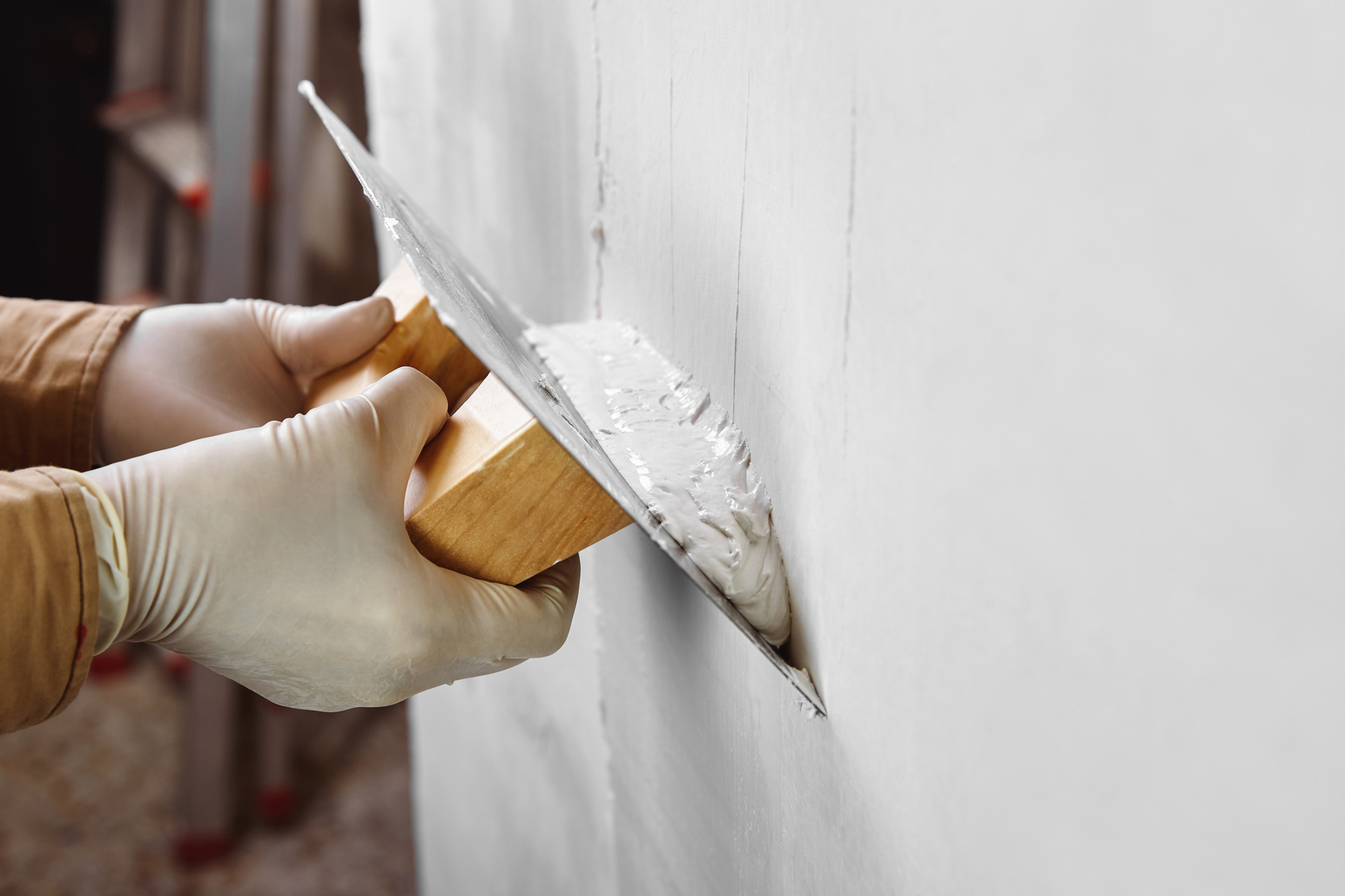
Plastering in Lyndhurst
Ceilings, lime work, skimming and render across Lyndhurst and the middle of the Forest. We look at it properly, then put an itemised price in writing.
The site visit is free and so is the written itemised quote. Thomas Hannen prices every job himself.
Before anything gets hacked off in Lyndhurst, find out whether the house is listed. Consent covers plaster inside the building as well as the front of it, and a lath and plaster ceiling is exactly the sort of thing it protects even though nobody outside can see it.
Three sorts of call come from the village. A ceiling in an older house that has cracked and started to sag, dropping dust every time a door shuts. A room in a flat over a shop, or in a let, that needs replastering and putting back into use quickly. And painted render on a frontage that has crazed and gone hollow after a wet winter.
We come out, sound the walls, get a hand up at the ceiling, and tell you what is actually loose before anyone talks about taking anything down. About four in ten houses here were built before 1919, so the answer is more often repair than replacement.
The work
The bottom metre is where it always goes
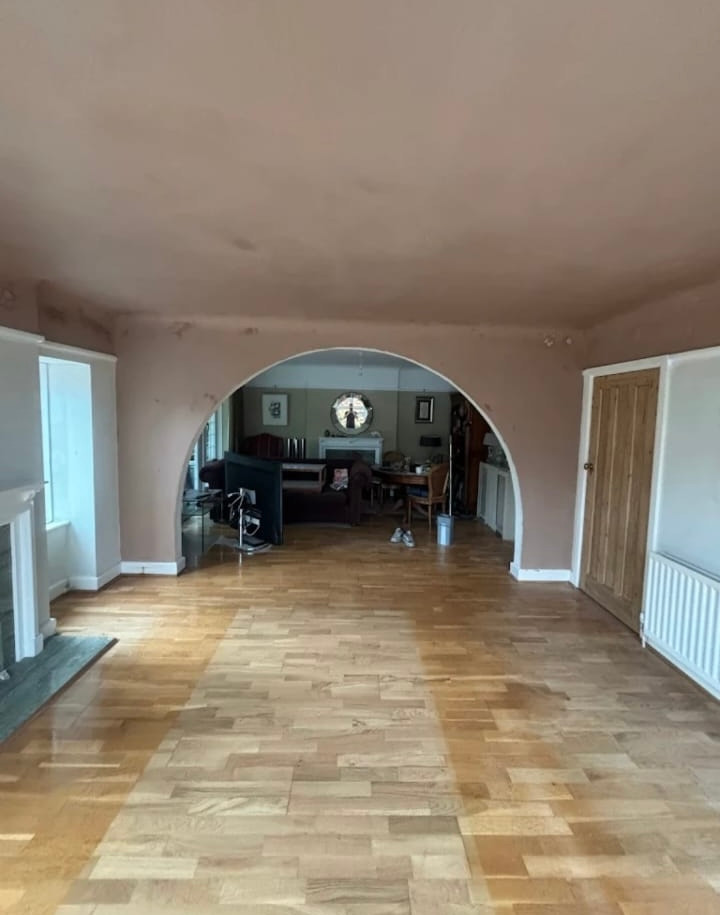
The bottom metre is where it always goes. Getting on for two fifths of the village predates 1919: Victorian and Edwardian brick with no cavity, plastered in lime, and the failure is always the bottom metre. Hollow under a knuckle, paint lifting, sometimes a white bloom of salts. A solid wall dries out through its own surface, so gypsum and a plastic paint over it push the water somewhere else. We hack off only what has let go, put back a haired lime backing coat, a scratch coat and a render coat where the wall is bare, and a breathable finish coat over it.
Ceilings of the same age are riven laths with the plaster squeezed through to form a key on the back, and it is the key that fails, not the surface. You see it as a bow across the middle of the room and a hairline crack following the joists. Where most of the key has gone the ceiling comes down and goes back in plasterboard, taped and skimmed, which is a day for a bedroom. Where it is largely sound the cheaper and better answer is to fix it from above, tighten it back to the joists and skim the face, and on a listed house that is usually the only answer allowed.
Flats over the shops, and rooms in lets. Better than a fifth of the dwellings here are flats, a lot of them over a business or taking visitors, and that changes the job more than the plaster does. We work a room at a time, carry in and out through a shared stair rather than blocking the pavement, and plan the drying around a booking or a changeover rather than leaving you with a room out of use in August. Bathrooms and kitchens get moisture resistant board first, then a skim.
Cracked and hollow render on a High Street elevation gets tapped out, cut back to sound edges, primed and patched to match the original profile, then finished breathable so the wall behind can still dry. Out along the Romsey Road the same wall is sand and cement render or pebbledash, and where a third or more has gone it comes off and goes back as a mesh reinforced basecoat with a silicone thin coat topcoat, or a through-coloured monocouche, on a bell cast bead clear of the damp course.
The rest is dry lining on dot and dab, stud partitions, tape and joint or a full skim, angle bead on every external corner and stop bead where plaster stops at a reveal. Artex ceilings on the post-war houses skim flat in two passes and we never sand one, and the making good after a rewire, a leak or new windows is a morning rather than a project.
How it runs
From your call to a written price
It starts with a free site visit and a survey of every wall and ceiling in the rooms concerned, and the quote is itemised line by line. Work inside an ordinary house needs no planning permission, and repairing render like for like is repair. Changing the look of an elevation is different here, because the village centre is a conservation area and the whole parish sits inside the National Park, so the usual permitted development rights for cladding and render do not apply, and Planning Portal guidance on external walls explains where the line falls. Re-rendering a full elevation also brings building control in, since Approved Document L treats it as renovating a thermal element. The National Park Authority decides all of it, not the district council.
Cost
What decides the price
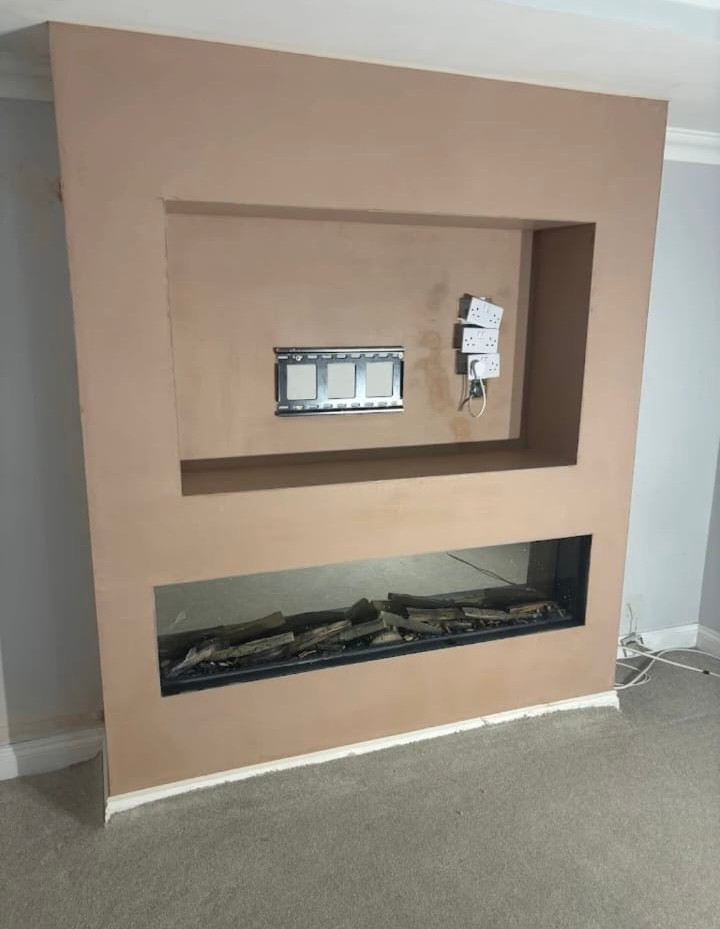
There is no useful rate per square metre. Lime plaster on lath, solid brick that has been wet for years, and a boarded wall in an eighties extension are three different prices for what looks from the doorway like the same room. A flat over a High Street shop with a shared stair and nowhere to park, a semi on the Romsey Road with a side passage, and a house at Emery Down with its own drive are three more. Ask whether it is a skim or a full replaster, and who takes the waste.
If it has just gone
A ceiling down, or a wall that has let go
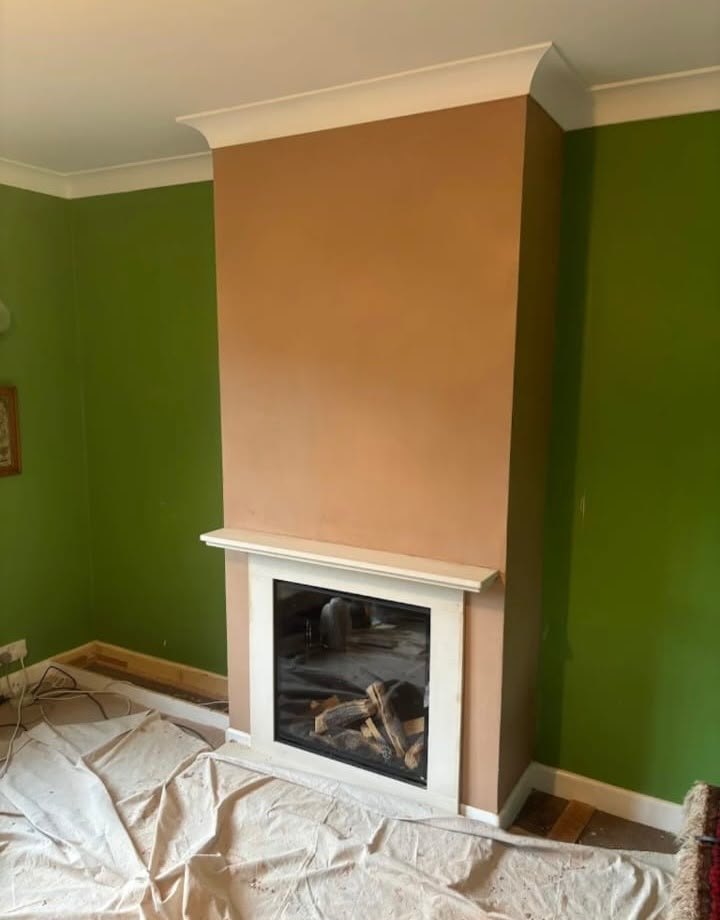
Ring rather than use the form. A ceiling that has dropped, or render off a gable, goes to the front of the queue. Lyndhurst is about seventeen miles from us, so this is normally the same day or the next, and we would rather come and prop a ceiling than talk you through it on the phone. The phone is answered 24 hours for emergencies; scheduled work runs Monday to Friday, 8am to 6pm.
Worth knowing
On a listed house, consent reaches inside
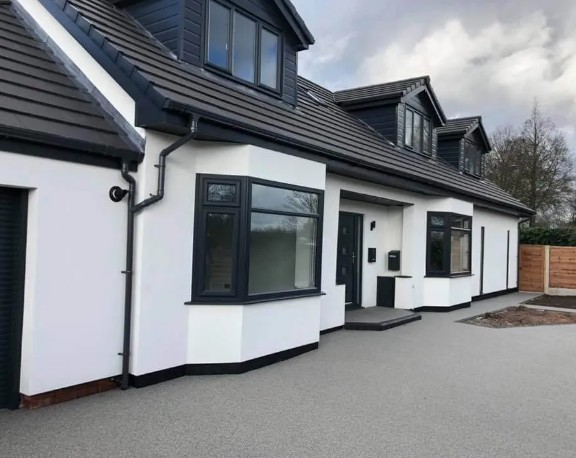
There are around thirty listed entries in and about the village, most of them along the High Street and the lanes off it, and people are often surprised by how far the protection reaches. Listed building consent is not about the front elevation. It covers the whole building, inside included, so taking down a lath and plaster ceiling, stripping a cornice or hacking historic plaster off a wall can all need consent even though no one outside would ever know.
It is enforceable, and it stays with the building rather than with whoever did the work, which is why it surfaces years later when the house is sold. The National Park heritage and conservation guidance is the place to start.
In practice it changes the method rather than stopping the work. On a listed ceiling we would repair and secure what is there instead of pulling it down, patch in lime rather than gypsum so the new work behaves like the old, and keep mouldings and cornices in place and work around them.
The method goes on the written quote as well as the price, so you have something to show a conservation officer. And if your house is in the conservation area but not listed, the inside is your own business: only what can be seen from outside is controlled, which is worth getting straight before somebody quotes you for the cautious version of a simple job.
Who you are dealing with
A local firm you can check
We cover Lyndhurst, Bank, Emery Down, Swan Green, Minstead, Ashurst and Brockenhurst across SO43 and the middle of the Forest. Bournemouth Roofing & Building Ltd, registered in England and Wales, company number 15471719, which you can look up in a minute. Thomas Hannen's business, and he is the one who comes out to price the job, not a salesman. A verified customer's 10 out of 10 on Checkatrade. The visit and the written quote are both free.
Questions
Lyndhurst questions we get asked
Lyndhurst is a conservation area. Does that reach inside the house?
No, it stops at the outside. A conservation area protects the external character of the place, so it has something to say about render, colour and materials on the face of a building and nothing at all about the plaster on your living room wall. What does reach inside is listing, and there are 31 listed entries here including the Church of St Michael and All Angels and the Queen's House.
Will a gypsum skim stay on a lime and lath wall?
Not reliably. Pre-1900 building is the biggest group in Lyndhurst at 29.2% and 39.0% of the stock predates 1919, so lime on lath is normal here rather than unusual. Gypsum is harder and less forgiving than what is behind it, and where the background still holds moisture the new coat traps it and lets go in sheets. The backing decides whether it stays up, not the finish you see.
Do you strip the old lime off, or patch around it?
Whatever is still firmly attached stays. Sound old work is often better bonded than anything we would put back, so the loose material gets cut out to a firm edge, the gap is built up in coats to the same thickness, and the repair is worked flush rather than proud. Going back to bare masonry when only a third of a wall has failed makes the job bigger and the result no better.
Do the National Park planners handle this, or the district council?
The Authority does. Lyndhurst sits inside the New Forest National Park boundary, so applications go there rather than to the district, and that holds for external work and for listed building consent alike. It does not hold for internal plastering, which needs no application from anybody. Getting the right body first saves a fortnight of being passed from one office to another.
Why does a lime finish take more visits than gypsum?
Because lime sets by carbonating slowly rather than going off chemically within the hour. Each coat goes on thinner, is scratched to key the next, and has to firm up before the following one, which puts days between visits instead of minutes. On the old solid walls that make up most of this village, that patience is what stops the work cracking or blowing later. Gypsum is quicker and will not last on them.
Nearby, and next door
Plastering and rendering near Lyndhurst
Plastering and rendering nearby
Our other trades in Lyndhurst
Everything we do in Lymington Plastering and rendering, all areas Every area we cover
Free quote
Get a price for plastering in Lyndhurst
Tell us the address and what you have noticed. We will come out, sound the walls, and put an itemised price in writing. No charge, and no obligation.