Plastering in Woodlands
Ceilings, skimming, dry lining and external render across Woodlands and the SO40 lanes. We sound the walls before we price them, and the quote comes in writing.
The site visit is free and so is the written itemised quote. Thomas Hannen prices every job himself.
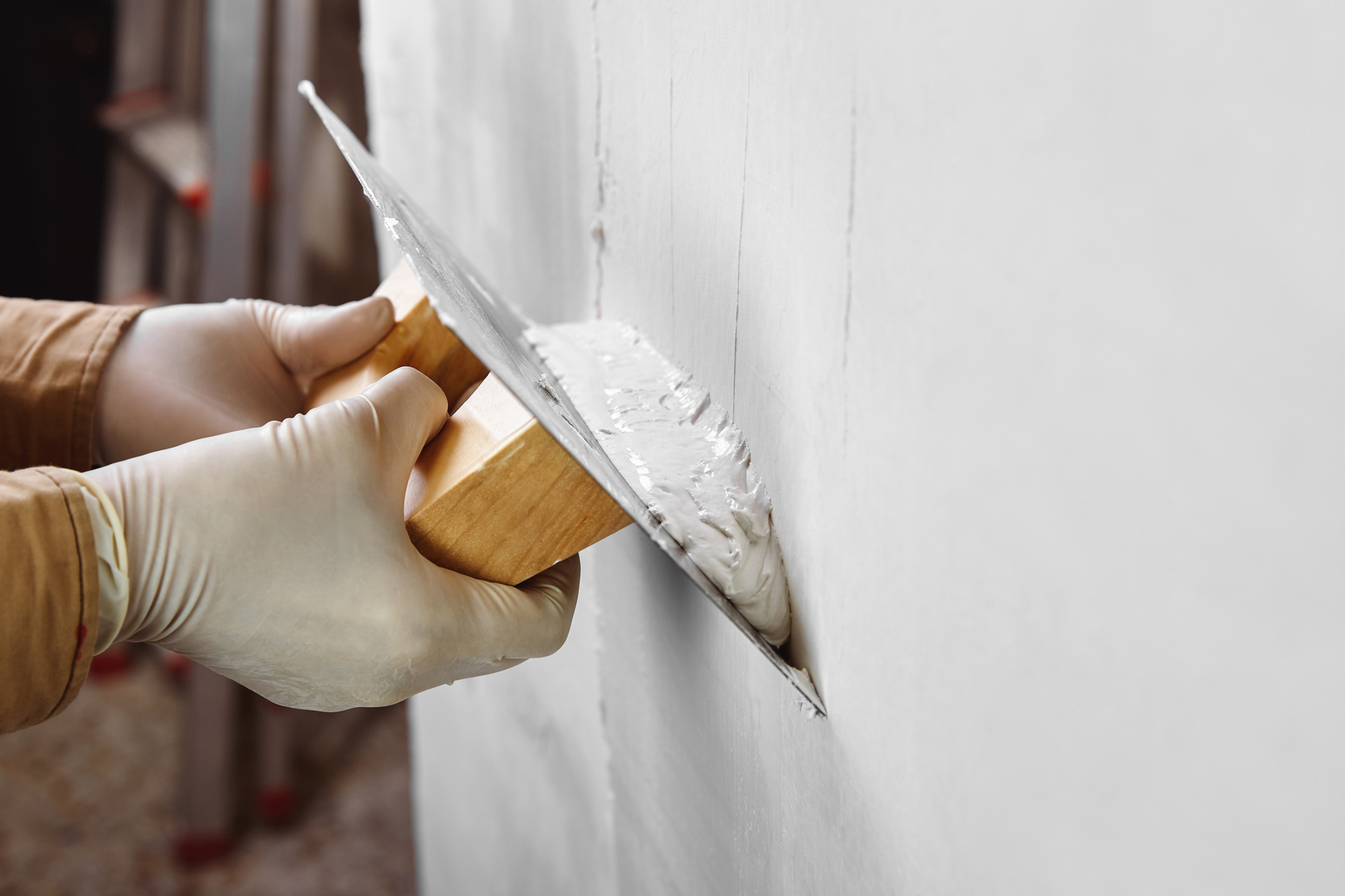
On most Woodlands houses the plaster on the walls is sound and only the surface has had it, so the job is a skim rather than a strip: covers down, a clean, then two passes of finish coat and a room that is flat and ready to decorate in a day.
Three things bring people along these lanes to the phone. A ceiling that has cracked in a straight line across the room, or started to sag and drop grit. Walls that have been papered and painted so many times they have lost any kind of face, usually noticed the week a house changes hands.
And an outside wall where the render has crazed, gone hollow and started letting water behind it. We come out, sound every wall and ceiling in the rooms concerned rather than the one you rang about, get a torch into the loft where there is a hatch, and tell you what you have got. Then you get it in writing, itemised, before anyone touches anything.
The work
Textured ceilings from the seventies never get sanded
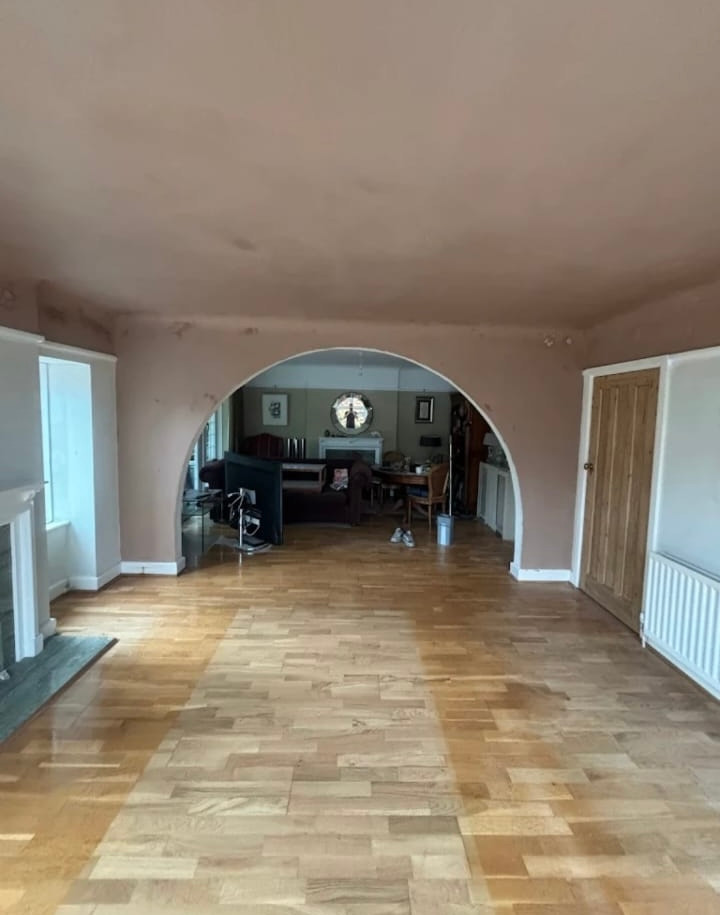
Ceilings, which is most of what we do here. A third of the homes along these lanes are bungalows, and a bungalow has as much ceiling as it has floor, with the loft sitting directly on top of every square metre of it. That works in your favour. When a plasterboard ceiling has cracked along the joints, popped its nails or been artexed and gone tired, we can usually overboard and skim it rather than take it down, and where it does have to come down the access is straightforward and the mess stays in one room. A bedroom ceiling is a day. A big open-plan living room with a chimney breast to cut round is two.
Most of the housing here went up between the war and the early eighties, with the biggest run of it through the late fifties and early sixties, and those walls are gypsum on brick or dense block that is nearly always still sound behind the wallpaper. That means a skim: covers down, floors under dust sheets, a clean, a coat of PVA where the background is dusty, then finish coat in two passes. Textured artex from the seventies goes the same way once it is cleaned and stabilised. We never sand or scrape a textured coating, because anything of that age can contain asbestos and sanding is the one thing that makes it dangerous.
Four in ten homes here are detached and nearly all of them came with a garage, and a good number of those are becoming rooms. Dry lining on dabs where the blockwork is flat and dry, a stud with insulation between where it is not, then tape and joint or a full skim over the board. Angle bead on every external corner, stop bead where the plaster stops at a reveal, and the step down at the old garage threshold made good properly rather than filled.
The older cottages on the forest edge. Getting on for one home in five here predates the First World War: solid walls with no cavity, lath ceilings, and lime plaster that has to let the wall breathe. On those we hack off only what has blown, then put back a haired lime backing coat and a breathable finish rather than gypsum hardwall, which seals a solid wall and is why the same patch comes back. The Fletchwood tributary runs close behind the lane and this is flood zone 2 ground, so the bottom of a solid wall out here dries slowly and is worth checking before anyone promises you a finish.
Outside it is roughcast and pebbledash from the post-war years, cracked and hollow around the openings, plus the odd whole elevation that has gone past patching. We cut back to sound material, mesh reinforce the repair and match the topcoat. On new blockwork it is a primer, a mesh reinforced basecoat and a silicone thin coat of the K render sort, or a through coloured monocouche, off a bell cast bead clear of the damp course. On old fabric it is lime, in a scratch coat, a render coat and a thin finish.
How it runs
From your call to a written price
Permission, plainly. The quote is itemised: protection, hacking off, boarding, the backing coat, beads, finish and disposal on separate lines. Plaster inside is your business and nobody else's, and patching render like for like is repair. What is different here is who you ask and what you can do outside. This is National Park land, and the permitted development right that lets people elsewhere clad or render the outside of a house does not apply on designated land, so a change of external finish means asking first. Part of the area also sits inside the Forest North East conservation area. National Park heritage and conservation guidance covers the ground rules, and the National Park Authority's interactive property map will tell you which designations sit on your address.
Cost
What decides the price
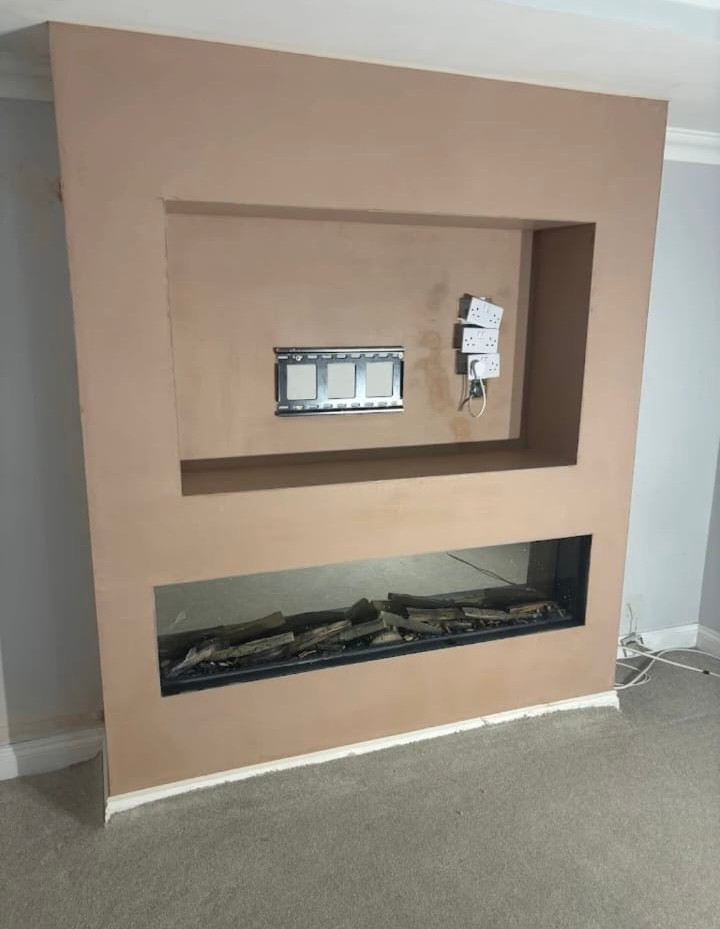
There is no useful rate per square metre: the square metres are the easiest thing to measure and the least useful thing to know. A sixties bungalow with sound gypsum on block, a forest edge cottage with lime on lath, and a garage conversion where the blockwork was never meant to be seen are different prices. Access matters as much: a bungalow with a drive you can back a van onto, a house down a gravel lane behind a gate too narrow for one, and a cottage with the road tight against the front wall. Ask what backing coat is going on and why.
If it has just gone
A ceiling that has dropped, or plaster off after a leak
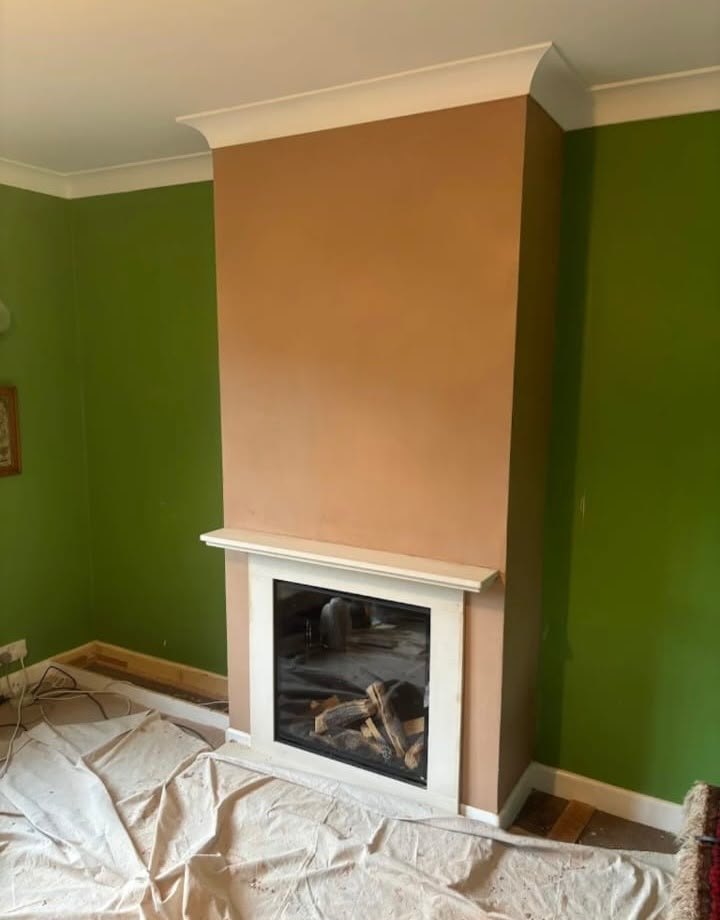
Ring rather than use the form. A ceiling that has cracked and dropped, plaster off a wall after a leak, or render that has come away from a gable goes to the front of the queue. We are about twenty miles out along the A31 and in through Ashurst, so we will normally have someone with you inside a day, and the same day when it is unsafe.
Worth knowing
One generation of houses, and what it did to the plaster
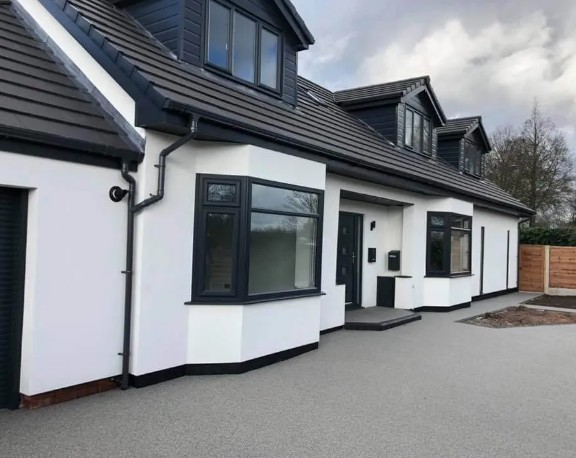
Nearly half the homes around here went up between the end of the war and the early eighties, with the biggest block of them in the late fifties and early sixties. That is useful to know before you take a price, because houses of one generation fail in the same way. The wall plaster on that stock is a thin float and set over brick or dense block and it is usually still perfectly sound, so a full replaster is rarely worth anyone's money.
The ceilings are plasterboard nailed to the joists with scrim tape over the joints, which is why the crack you can see runs dead straight across the room and why the nail heads show as a row of small circles. Both come right with a skim. What does not come right with a skim is the dark patch in the corner of a ceiling or the mould down the side of a window reveal, because those are cold surfaces rather than failed plaster.
So the order matters. Houses of that age were built with nothing much in the walls and very little over the wall plate, and the coldest line in the room is where the ceiling meets the outside wall. Skim over that and the mould is back by February. Get the ventilation and the insulation at the eaves sorted first, then plaster, and it stays gone.
If a ceiling is coming down anyway, that is the moment to top up the loft while the joists are open and the access is already paid for, and Approved Document L sets the standard renovated work is expected to reach. We would rather tell you that at the visit than take the money twice.
Who you are dealing with
A local firm you can check
We cover Woodlands and the SO40 lanes around it, Netley Marsh, Ashurst, Bartley, Copythorne and Cadnam, and south through Lyndhurst. Bournemouth Roofing & Building Ltd, registered in England and Wales, company number 15471719, which you can look up in a minute. Thomas Hannen's business, and he is the one who comes out to price the job, not a salesman. A verified customer's 10 out of 10 on Checkatrade. The visit and the written quote are both free.
Questions
Woodlands questions we get asked
The National Park is our council. What does it check?
Appearance, mostly. Woodlands falls under the New Forest National Park Authority rather than a district council, and it sits inside the Forest North East conservation area, so a change of external finish gets looked at more closely than it would outside the Park. Only two listed entries fall here, so listed building consent is rarely the issue. Repair in the same material is maintenance and does not need an application going in.
What do the 1950s houses around here have on the walls?
Usually a lightweight backing coat on block with a gypsum finish over it, sometimes on a sand and cement scratch coat. The largest single block of housing here went up in the late 1950s and early 1960s, 22.0% of the stock inside that one span, with 46.5% built between 1945 and 1982. Those walls repair well, but the bond low down has often gone. We cut back to what is solid and rebuild in two coats.
The stream is close to the house. Should we worry about damp?
Watch the base of the wall. Woodlands sits in flood zone 2, with a tributary of the Fletchwood running within forty metres of property, so the ground stays wet longer here than the surface would suggest. It shows as blown plaster and salting in the first course or two above floor level. That is not a plastering fault. Sort the ground and the wall, then replaster, or the same patch comes back.
Can you get a van and materials down to the house?
Usually yes. Woodlands is largely detached houses and bungalows, 41.5% of it detached, so most properties have their own drive with somewhere to stand a van and a mixer off the road. That keeps bagged waste off the verge and out of the lane. Where a property sits down a shared track we look at the access on the visit and work out where boards and waste can go before quoting.
Should the loft be done while the ceiling is open?
If the ceiling is coming down anyway, that is the moment for it. With joists exposed you can lay or top up insulation across the whole span, seal the gaps at the wall plate and run any cable work without cutting new board about later. On a bungalow, which nearly a third of the housing here is, that ceiling is the entire thermal boundary of the property, so it is worth doing once rather than twice.
Nearby, and next door
Plastering and rendering near Woodlands
Plastering and rendering nearby
Our other trades in Woodlands
Everything we do in Lymington Plastering and rendering, all areas Every area we cover
Free quote
Get a price for plastering in Woodlands
Tell us the address and what you have noticed. We will come out, sound the walls and ceilings, and put an itemised price in writing. No charge, and no obligation.