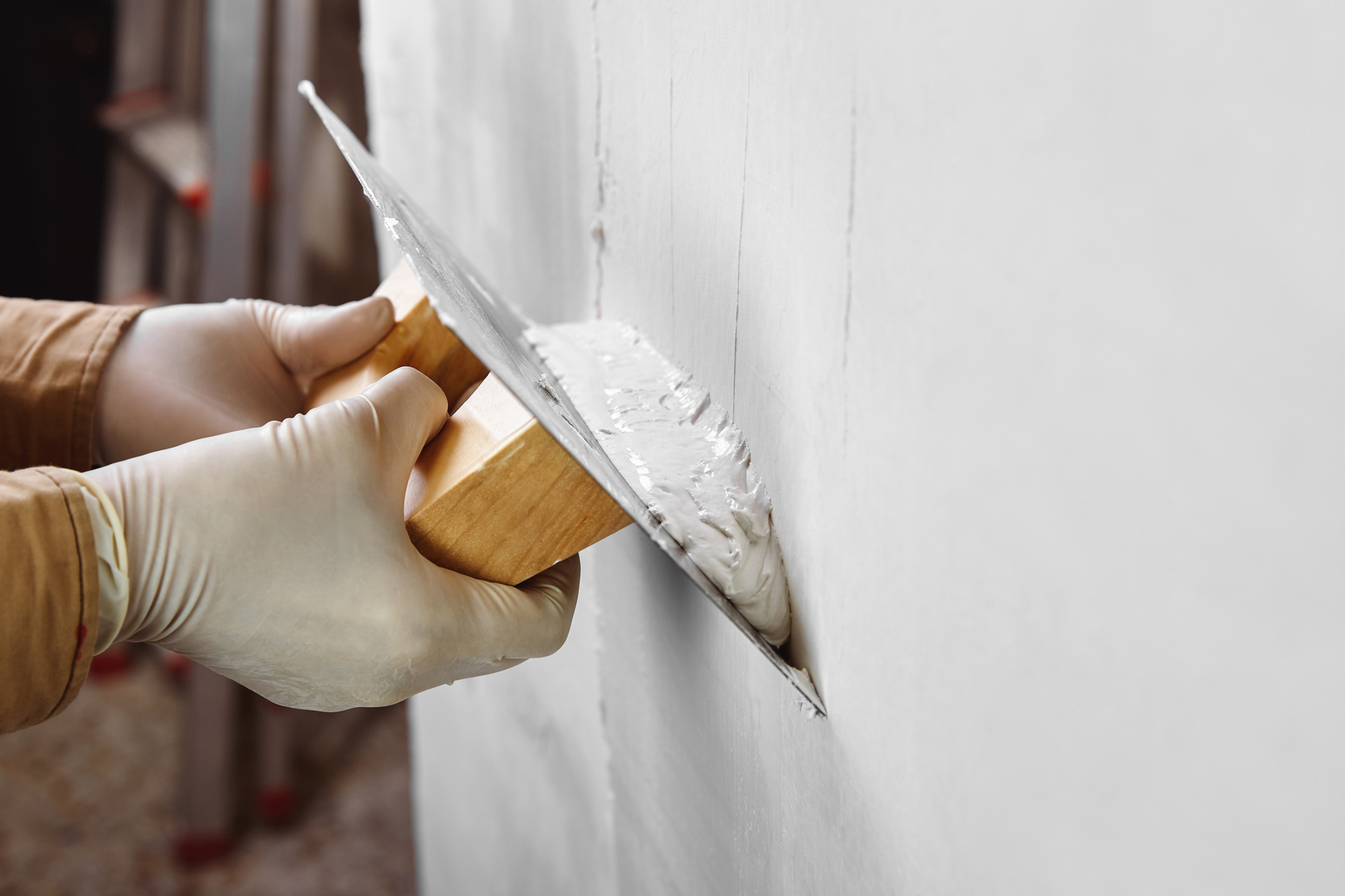
Plastering in Milborne St Andrew
Lime plaster and lath repairs on the older houses, skimming and ceilings on the newer ones, across Milborne St Andrew and DT11.
The site visit is free and so is the written itemised quote. Thomas Hannen prices every job himself.
The first question on a house in Milborne St Andrew is not what finish you want, it is what the wall is made of. A solid wall wants a breathable repair and a cavity wall does not, and putting the wrong one on is the reason so much replastering round here has to be done twice.
Most calls from the village are one of three. Plaster blowing along the bottom of a wall or around a chimney breast in an older property. A ceiling that has cracked, sagged or come part way down. Or a room in a newer house that simply wants skimming flat before it is decorated.
We come out and knock every wall and ceiling, and where the house is old we take a small area off in a corner to see what is actually behind the finish rather than guess from the street. Then you get a written price with the repair and the full strip out kept apart. The site visit and the quote are free. We are eighteen miles out, so we plan work here in consecutive days rather than dropping in for an hour and coming back next week.
The work
Not every wall here needs a heritage repair
Not every wall here needs a heritage repair. Twenty-five entries in and around the village are listed, and plenty of buildings that are not listed were put up the same way. A solid wall has no cavity to stop water, so it copes by taking damp in and letting it back out through the surface. Gypsum plaster or a cement render seals that surface, the water goes sideways instead, and the plaster blows above the skirting within a couple of winters. On those walls we work in lime and keep the whole build-up breathable.
Older ceilings and stud partitions are three coats on riven lath, and when one fails it is usually the key that has gone rather than the plaster, so the ceiling sags in a bay while the surface still looks fine. If most of the key is sound it can be secured and repaired in lime and it is worth keeping. If it has gone across the whole span the ceiling comes down and goes back in board, and we tell you which it is rather than defaulting to whichever suits us.
There is no sense charging for a heritage repair on a wall that does not need one. On a cavity wall a sound float coat takes two passes of finish coat, and a blown patch comes off back to the block and goes back in bonding or hardwall. Later houses are board on dot and dab finished in tape and joint, with an angle bead on every corner and a stop bead against each frame. Outside, where an older elevation was given a hard sand and cement render or pebbledash in the last fifty years it will be cracked and drumming and holding water in the wall behind, and taking it off and returning to lime is the honest answer on solid fabric. On modern blockwork a silicone thin coat is the right answer instead. A bell cast bead at the base keeps any render clear of the damp proof course.
How it runs
From your call to a written price
The quote is itemised rather than one figure on the back of a card,. There is no conservation area over Milborne St Andrew, but twenty-five entries in and around the village are listed, and on a listed building a change of plaster or render needs listed building consent even where the work looks like ordinary maintenance from the road, so we check the address before quoting a material. On an unlisted house the finish is your choice, with Planning Portal guidance on external walls setting out where that stops. Renewing render across an elevation brings Approved Document L in, asking whether the wall should be insulated while it is open, and on solid fabric that has to be answered without trapping moisture.
Cost
What decides the price
No rate per square metre. What is behind the finish decides it: a sound wall wants a skim, a blown one comes off back to the masonry and brings a backing coat into the job, and lime is slower again because every coat has to go off before the next. Out here access is usually a cottage on the street with nowhere to put a skip except the road, or an upstairs room where the staircase decides how big a board can be. Outside, a gable wants a tower or a scaffold priced on its own line. Ask whether a quote is a skim or a full replaster, and whether it is lime or gypsum going back.
If it has come down
A ceiling down, or plaster coming off the wall
Ring rather than use the form. A ceiling that has cracked and dropped, or plaster coming off a wall in sheets, goes to the front of the queue. We are eighteen miles out, so we will tell you on the phone whether it is today or first thing tomorrow rather than leave you waiting in, and on a lath ceiling we would rather bring it down under control.
Worth knowing
Lime or gypsum, and why it decides the whole job
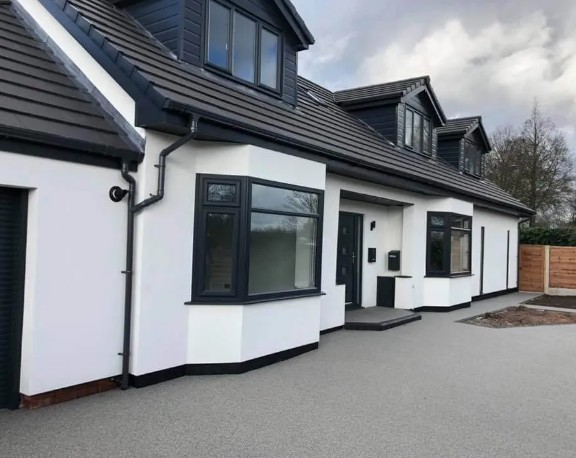
Twenty-five listed entries in a village this size tells you something useful before we have even seen your house: there is a real chance the walls are solid rather than cavity, and that changes the material, the method and the price. A solid wall was built to get wet and dry out again through its own surface.
Lime plaster and lime render let it do that. Gypsum plaster, cement render and modern masonry paint do not, and once a wall like that is sealed the water it takes in has to leave somewhere else, which is usually as blown plaster above the skirting, a damp smell in a back room and paint lifting in sheets.
The practical points are the same whether or not your house is listed. Find out what the wall is before choosing a finish, and be suspicious of a quote that names the material before anyone has opened a corner. Expect lime work to take longer, because each coat has to carbonate before the next one goes on and it will not be rushed for a decorating date.
Do not put a modern waterproofing paint on a lime render and undo the whole point of it. And if the house is listed, get the consent question answered first: it applies to the material as much as to the work, and it is far cheaper to ask before than to explain afterwards.
Who you are dealing with
A local firm you can check
About eighteen miles from us, covering Milborne St Andrew, Puddletown, Winterborne Whitechurch and the DT11 addresses along the Dorchester road, with Dorset Council for planning and building control. Bournemouth Roofing & Building Ltd, registered in England and Wales, company number 15471719, which you can look up in a minute. Thomas Hannen's business, and he is the one who comes out to price the job, not a salesman. A verified customer's 10 out of 10 on Checkatrade. The visit and the written quote are both free.
Questions
Milborne St Andrew questions we get asked
Twenty five listed entries in one village. Is ours likely listed?
Possibly, and it is worth checking before anything is touched. The parish carries twenty five listed entries including the Parish Church of Saint Andrew, and in a village this size that reaches well beyond the obvious buildings into ordinary cottages. Dorset Council holds the list and will confirm an address. Where a building is on it, stripping old plaster or changing a render needs listed building consent, and going ahead without is an offence.
There is no conservation area here. What can we change?
On an unlisted house, the outside finish and its colour. Milborne St Andrew has no conservation area of its own, so re-rendering or repainting a rendered wall sits inside permitted development and needs nothing from Dorset Council. That changes the moment the building is listed or joined to one. It also changes if the work forms part of an extension rather than a repair, because the extension carries its own permissions with it.
Does a loft conversion need anything from Dorset Council first?
The plastering does not, but adding a bedroom may well. This village drains into the Poole Harbour catchment, and nutrient neutrality only bites where a scheme creates new overnight accommodation. Making good a ceiling, patching a wall or re-rendering an outside face creates none of that, so it is untouched. Where the conversion adds a room to sleep in, settle it with the council before we board and skim anything up there.
Will you come this far out for one room?
Yes. Milborne St Andrew is around eighteen miles from the yard, so the work gets planned as a run of consecutive days instead of two hours at a time. That suits most people better anyway, because a room is opened up, backed, skimmed and finished in one go rather than sitting half stripped between visits. Thomas Hannen comes out to price it first, and that visit and the written quote cost nothing.
Can you match the plaster on an old solid wall?
We match what is already on there rather than defaulting to gypsum. On an older solid wall the backing coat decides whether the job lasts, so where the existing plaster is lime we go back in lime and let it set at its own pace. Getting that wrong is what makes a new skim blow off a cold external wall inside a couple of winters. On modern blockwork ordinary backing and finish is the right answer.
Nearby, and next door
Plastering and rendering near Milborne St Andrew
Plastering and rendering nearby
Our other trades in Milborne St Andrew
Everything we do in Blandford Forum Plastering and rendering, all areas Every area we cover
Free quote
Get a written price for plastering in Milborne St Andrew
A free site visit, a corner opened up to see what the wall really is, and an itemised written quote.