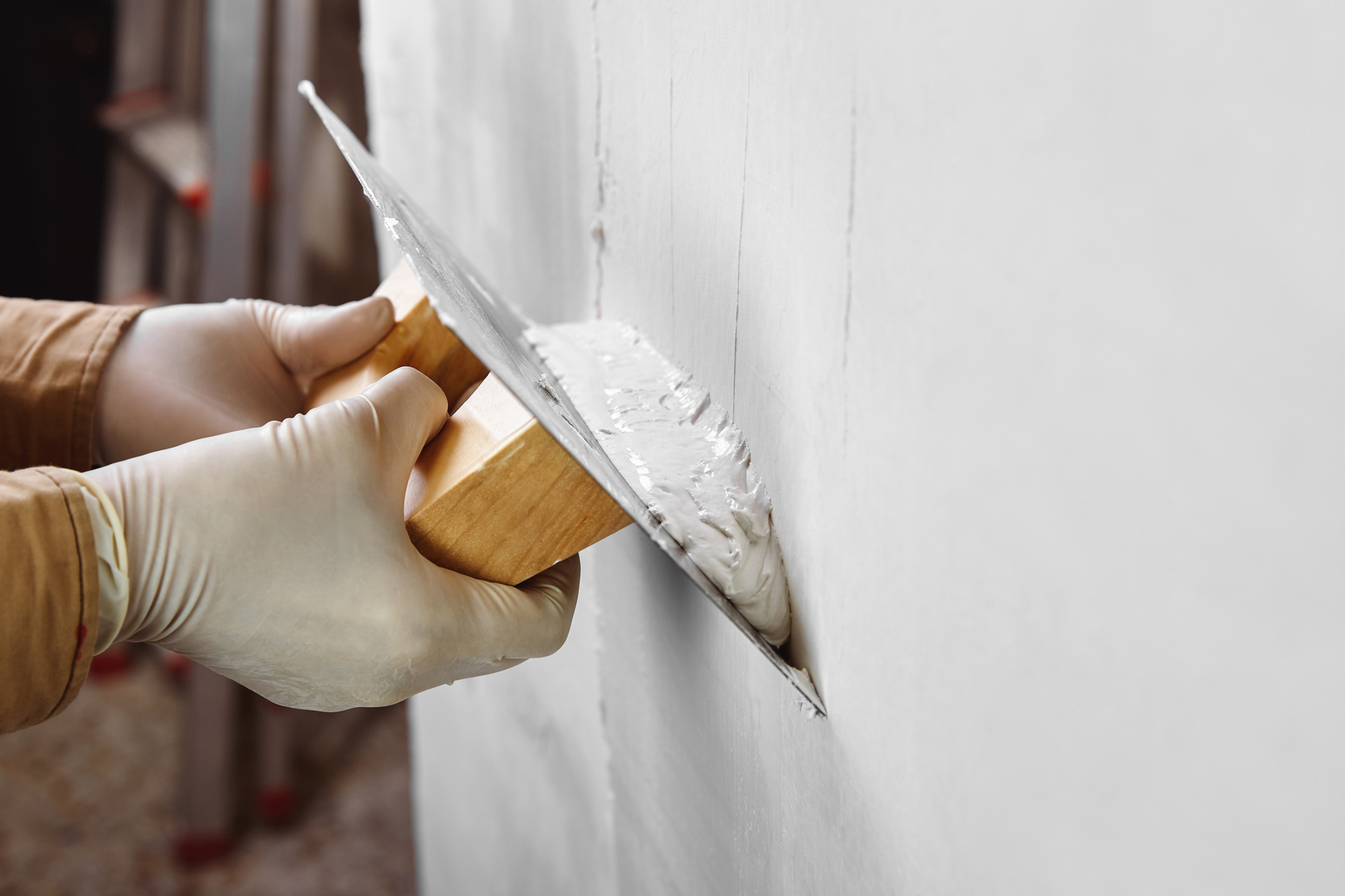
Plastering and rendering in Holt
Lime and lath ceilings, damp solid walls, conversions and external render across Holt and BH21. We look at what the wall is built of before we price covering it up.
The site visit is free and so is the written itemised quote. Thomas Hannen prices every job himself.
On an old wall in Holt, the finish is part of how the building stays dry. Lime plaster inside and a lime render coat outside let a solid wall give moisture back to the air. Gypsum and cement seal it in, and the wall pushes it out somewhere else instead. That is why we ask what the wall is built of before we quote a price for covering it up.
The calls here are rarely a plain room to skim. It is a cottage ceiling that has started to sag and drop grit on the stairs. It is plaster crumbling away at the bottom of a wall, coming back within a year every time somebody patches it.
It is a barn or an old brick store being turned into something useful and a decision to make about how the inside gets lined. All three want somebody who will look at the building rather than quote off a floor plan. We come out, work round with a knuckle and a palm, get behind anything loose, and put the whole thing in writing.
The work
Ground levels crept up, and the wall pays for it
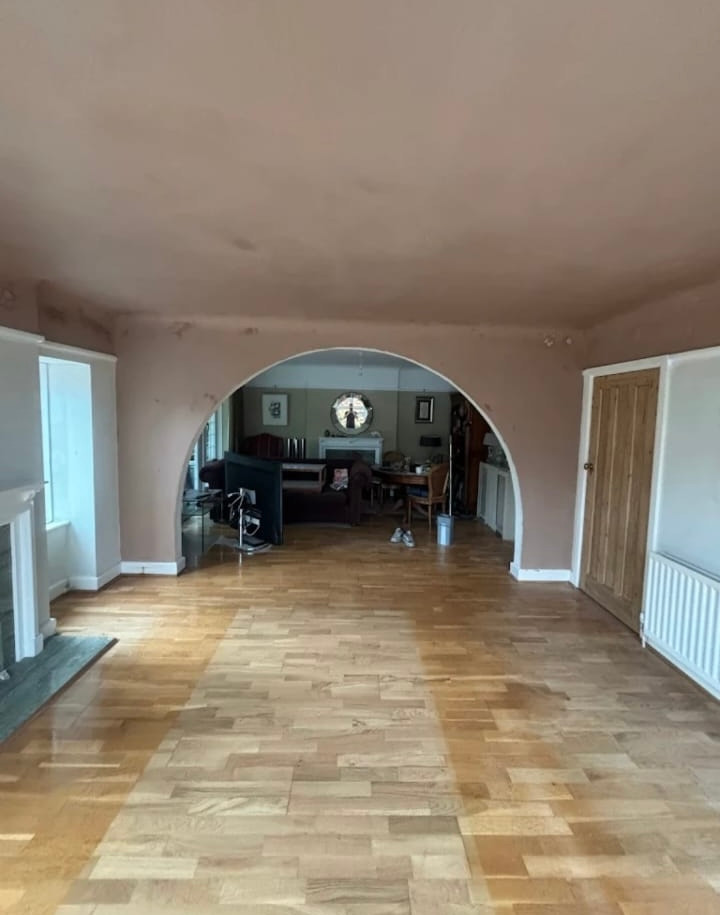
Ground levels crept up, and the wall pays for it. Nine times in ten the wall is not the problem. Ground levels creep up over the years: a path gets relaid, a patio goes down, a border builds up, and now the outside ground sits above the inside floor, so water walks straight across into a solid wall with no cavity. Replastering that in gypsum buys you a year. We take it back, sort the level or the drainage first where we can, let the wall dry out, then put lime plaster back so it stays breathable and any salts come to the surface instead of pushing your paint off.
In the older cottages the ceiling is lime plaster squeezed through timber lath, and what holds it up is the material squeezed out above. When that snaps the ceiling bellies down and starts shedding dust. Firm to the palm and only hairline cracked, it can be over-boarded and skimmed. If it moves, it comes down, the joists get looked at while they are open, and it goes back in board and skim, or in lime where the building deserves it. Artex is over-boarded rather than scraped, because a coating put up before the turn of the century can hold asbestos fibre.
Barns and outbuildings. An old brick or cob building being made into an annexe or a workshop turns on a lining decision made early and hard to undo: board on dabs straight onto a solid wall traps moisture behind it, so we build out on a stud with a ventilated gap or use a lime and wood fibre build-up that lets the wall dry inwards. Insulated board makes it a thermal element, so building control want to see it and Approved Document L sets the target it has to reach. Outside, old brick and cob want a lime render coat and limewash, not sand and cement. On newer blockwork a mesh basecoat under a silicone thin coat or a monocouche is the right answer instead, on a bell cast bead, with an angle bead on every corner and a stop bead against each frame.
How it runs
From your call to a written price
Same team from the first visit to the last, one person to ring, and the quote itemised: protection and preparation, board or backing coat, beads, finish coat, making good and disposal on separate lines. Furniture is moved and sheeted, and the old plaster leaves with us rather than sitting in bags on your drive. Plastering inside needs no planning permission, and rendering a house that is already rendered is normally permitted development. The exception around Holt is the listed farmhouses, cottages and barns, thirteen entries out here, where taking off lime plaster or changing an external render needs listed building consent before anybody starts. Holt has no conservation area of its own, so that is one hurdle you do not have.
Cost
What decides the price
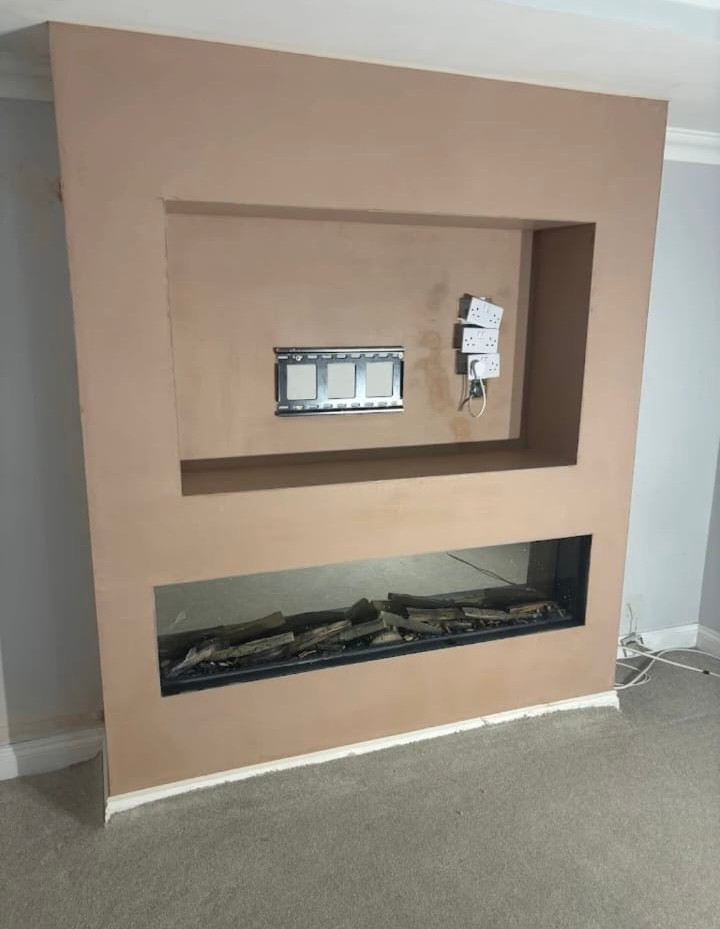
No rate per square metre. A room in one of the newer houses along the lane is a barrow, a dust sheet and a door kept shut; an old cottage with narrow doors and a stair you cannot get a full sheet up is slower before a bag is opened; a barn with a high open roof needs a tower inside as well as a scaffold outside. A sound float coat takes a skim; a blown one comes off and goes back in bonding, browning or hardwall. Ask whether it is a skim or a full replaster, how long it wants for drying, and who takes the waste away.
If it has come down
A ceiling down, or plaster blown off the wall
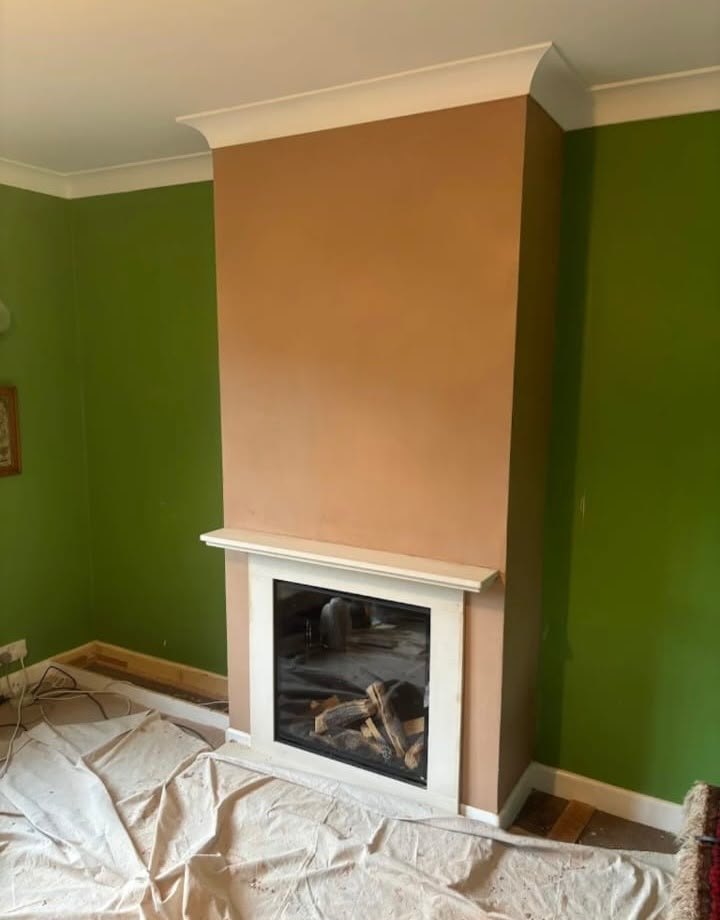
Ring rather than use the form. A ceiling that has cracked and dropped, or a wet patch spreading across a wall, goes to the front of the queue. Holt is a run out past Wimborne and we are up that way most weeks, so a first look is usually the same day or the next morning. The phone is answered 24 hours for emergencies; scheduled work runs Monday to Friday, 8am to 6pm.
The one local thing
Green belt, and what it does and does not stop
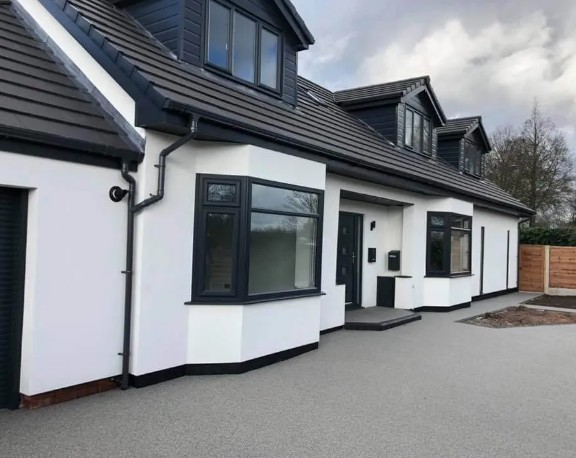
Holt sits in the green belt that wraps around the conurbation, and the thing worth knowing is how little of it touches the work we do. Plastering, replastering and skimming inside your own house is not planning's business at all.
Rendering a house that is already there is permitted development in the green belt the same as anywhere else, because green belt is not one of the designations that removes those rights the way a conservation area or a national park does. If somebody tells you that you cannot render your house because of where it is, ask them which policy they mean.
Where it does bite is anything new. Extensions beyond a modest size, new outbuildings and turning a farm building into a dwelling are all judged against green belt policy, and that is exactly why so much of the work out here is converting what already stands rather than building fresh. If that is your project, get the permission settled before you order a single sheet of board.
Conversions are where the plastering decisions are made earliest and cost the most to reverse: whether a solid wall gets dry lined or wet plastered, whether insulation goes on the inside of it, and whether the wall is being allowed to dry inwards afterwards. Tell us at that stage and we will price it two ways so you can see the difference.
Who you are dealing with
A local firm you can check
We cover Holt, Furzehill, Colehill, Wimborne Minster, Three Legged Cross and the rest of BH21, in the Dorset Council area, out of Bournemouth. Bournemouth Roofing & Building Ltd, registered in England and Wales, company number 15471719, which you can look up in a minute. Thomas Hannen's business, and he is the one who comes out to price the job, not a salesman. A verified customer's 10 out of 10 on Checkatrade. The visit and the written quote are both free.
Questions
Holt questions we get asked
Is Holt inside a conservation area?
No, the village has none of its own. There are 13 listed entries in the parish and Dorset Council is the planning authority, so unless your address is on the national list there are no external appearance controls to work round. Internal plastering is not planning work in any case. If the house does turn out to be listed then materials matter, because a listed building has to be repaired in what it was built with.
Being in the Green Belt, do we need permission to render?
For a straight re-render of an existing wall, no. The designation is about restraining new development in the countryside, so it bites on a new outbuilding, a large extension or a change of use rather than on the finish of a house that is already there. Dorset Council would only be involved if the work went beyond replacing what is on the wall, and even then it is the building work being judged.
You are based in Bournemouth. Do you come out this far?
Regularly. Holt is 8.6 miles from the base, a short enough run to look at a job one day and be back with materials the next. Thomas comes out himself, walks the room or the elevation with you, and writes the itemised quote up afterwards. Both the visit and the quote are free, and nothing gets ordered until you have the written breakdown in front of you.
What do you check on a wall that has been wet?
How wet it still is, and where the water came from. Plastering over a background that is still carrying moisture is the commonest reason a job fails within a year, so the source gets dealt with first and the wall then gets time. We look at how far up the damp reaches, whether salts have crystallised on the surface, and whether the existing backing has lost its grip on the masonry behind.
Can an unheated outbuilding be plastered like a house?
Not with the same build-up. An unheated building swings in temperature and holds condensation on cold surfaces, which is what lifts a thin skim off bare blockwork. Either it gets insulated and heated and is then treated like any other room, or it gets a coat that will tolerate the damp and the movement. Deciding which of those applies is the point of coming out to look at it.
Nearby, and next door
Plastering and rendering near Holt
Plastering and rendering nearby
Our other trades in Holt
Everything we do in Ferndown Plastering and rendering, all areas Every area we cover
Free quote
Get the building looked at, then priced
Tell us what the wall or the ceiling is doing. We come out, work out why, and put a written itemised price in front of you.