Plastering in Bearwood
Skimming, ceilings, dry lining repairs and external render across Bearwood and BH11. Free visit, itemised written quote.
The site visit is free and so is the written itemised quote. Thomas Hannen prices every job himself.
Almost every wall in Bearwood is plasterboard on dabs with a thin skim over it, not solid plaster. That makes most of the work here a one-day skim per room rather than a replaster, and it is why a hollow-sounding wall in this part of BH11 is normal rather than a problem.
Three things bring people to the phone. A crack has opened along the same dead straight line it always comes back on, usually over a door or where the wall meets the ceiling. A corner has been knocked through by a pushchair or a hoover once too often and the metal bead underneath is showing.
Or a room is being changed, a wall out, a garage taken in, an ensuite put in a bedroom, and the making good is the bit nobody has costed. We are four miles away, the site visit is free, and you get the price in writing before anybody touches a wall.
The work
These houses crack in the same three places
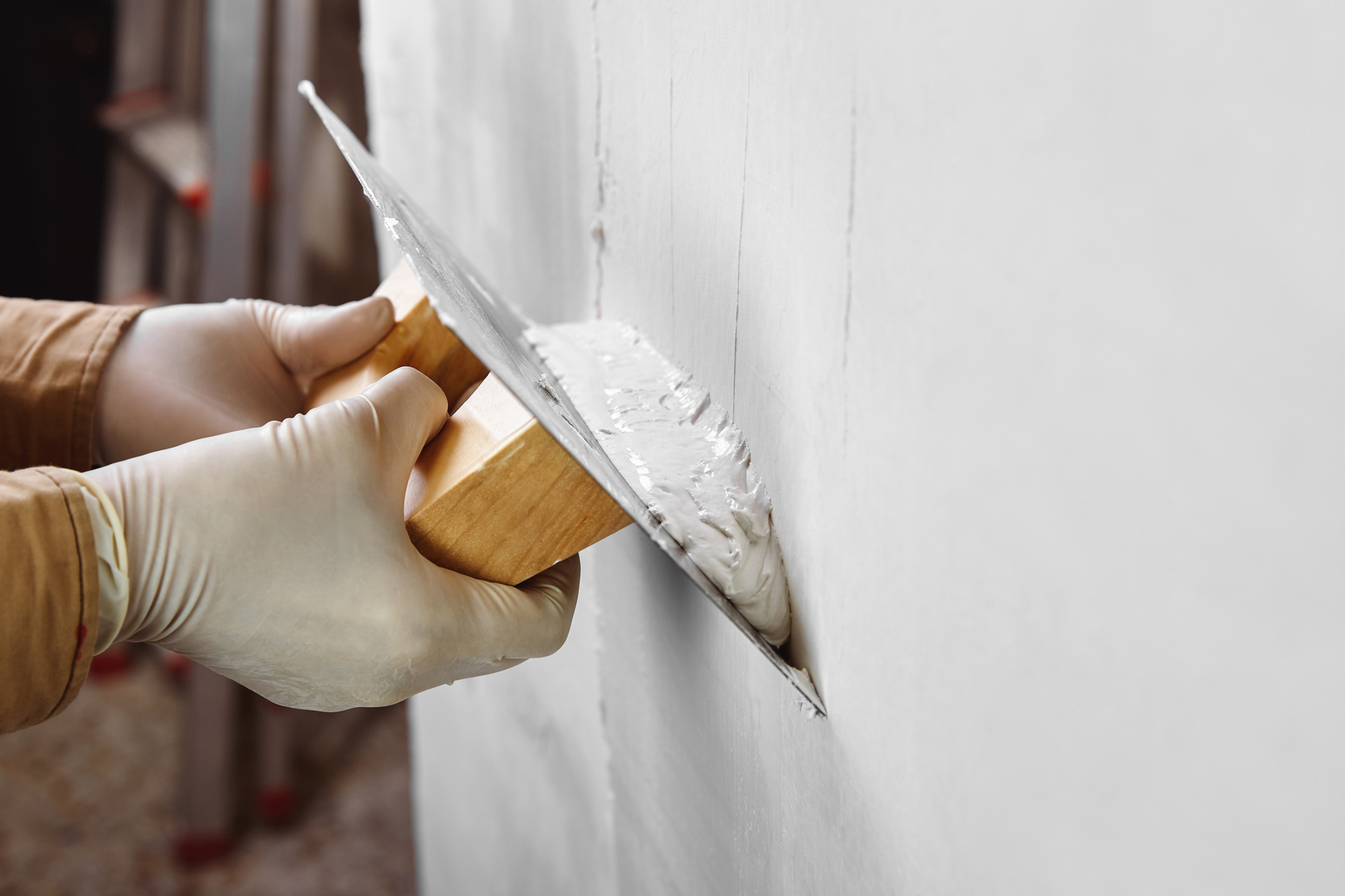
Skimming a room over what is already there. The commonest job on this estate by a distance. The boards are sound and the wall just looks tired. We prepare the wall, flatten the joints, PVA it where the suction is high, and put two passes of finish coat on with a trowel. Eighties ceilings are plasterboard finished with tape and joint, and a fair number were given an artex swirl in the same decade. Both take a skim provided the boards are properly fixed, so we screw off anything that has lifted, seal it and float the finish on. Where the texture is deep, overboarding first is quicker than fighting it.
These houses crack in the same three places. A straight line over a door head, another where the ceiling meets the wall, sometimes a run down the middle of a long wall. That is a taped joint that has moved, not the building moving. The repair is to rake it out, re-tape, fill and feather. Filling it and painting over it is why it keeps coming back. Where a galvanised angle bead has been caught by damp in a bathroom it rusts under the finish and pushes rust coloured spots through the paint, and it has to be cut out and replaced with a stainless or plastic bead, not filled over.
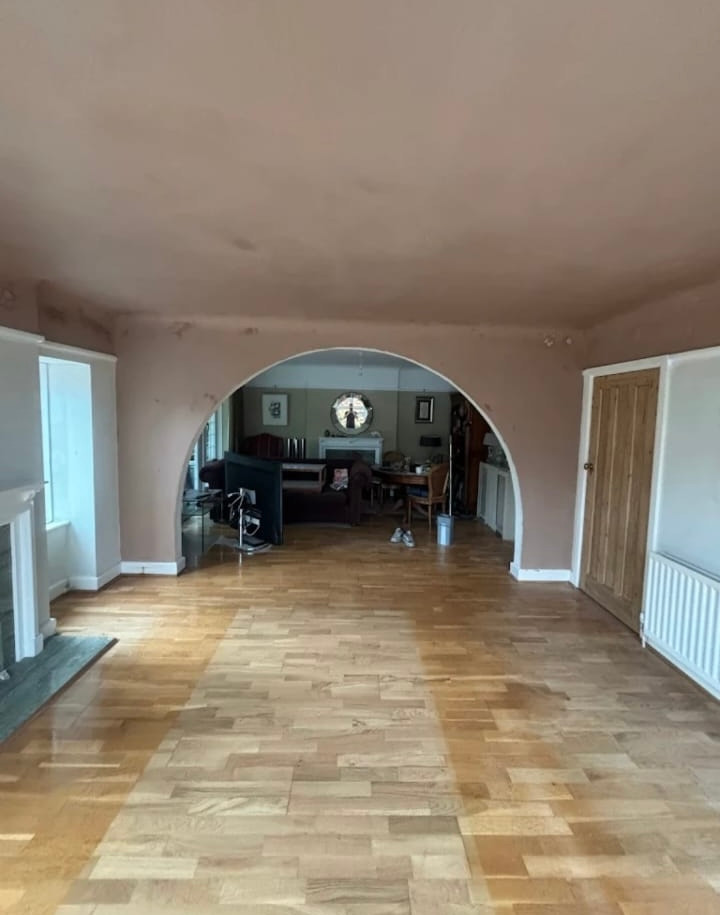
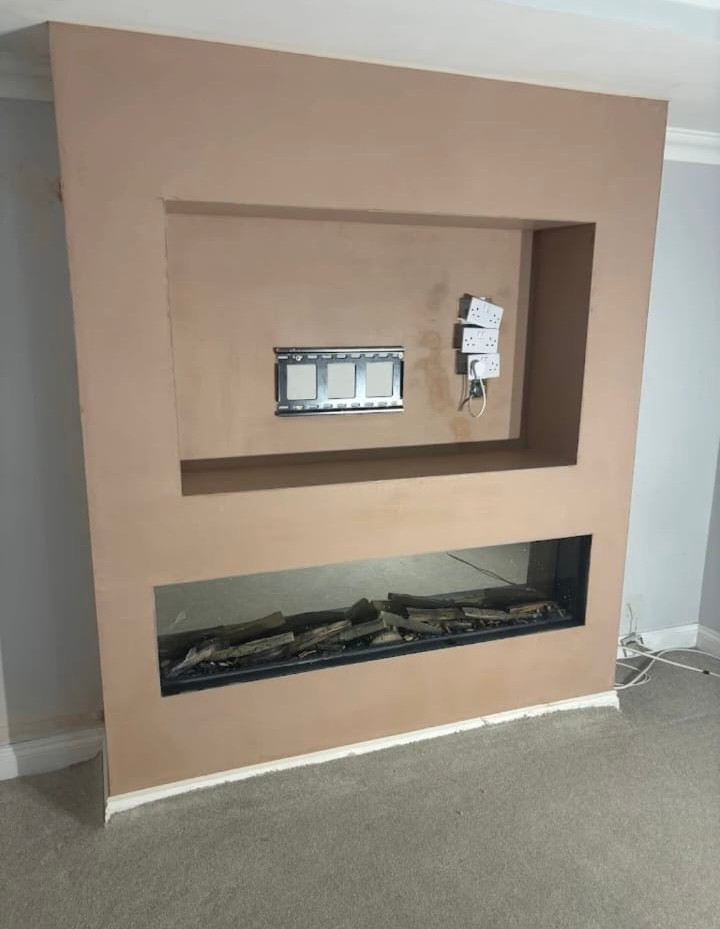
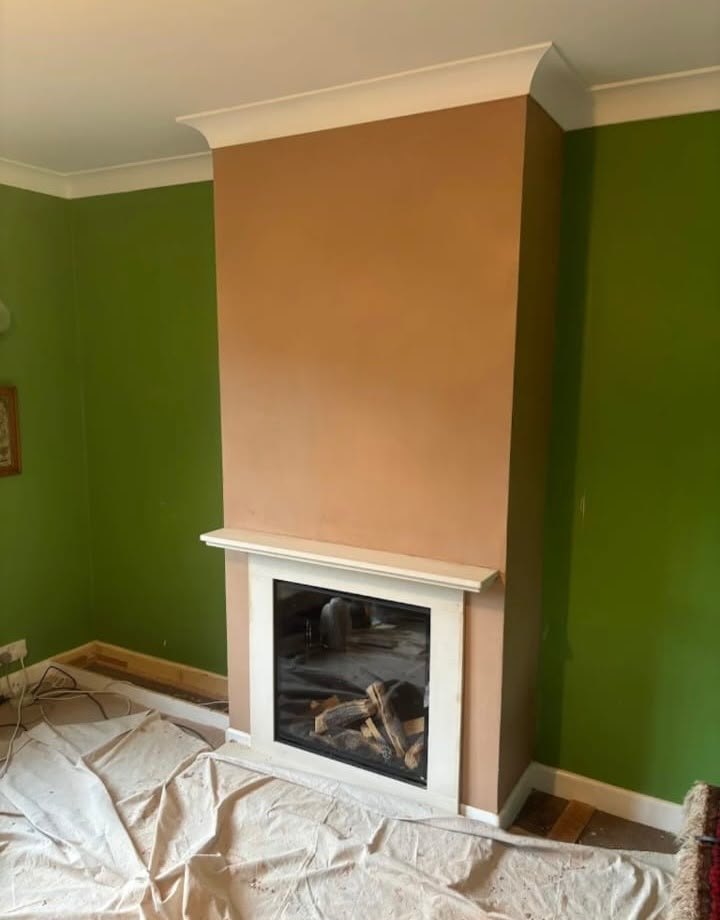
Terraces make up nearly a third of the houses here, and the two jobs we make good most often are a chimney breast coming out and a kitchen opened into a dining room. Both go through building control for the beam, and both leave a new reveal, a new soffit and two rooms whose plaster no longer matches, which is why they usually end as a full skim rather than a patch. A stud partition to form an ensuite is boarded, taped and skimmed, and an ensuite needs its extract fan sorted under Approved Document F before it is boarded in. Integral garages here turn into offices and bedrooms more than anything else, and a board that is soft and springy under your hand is water, not age.
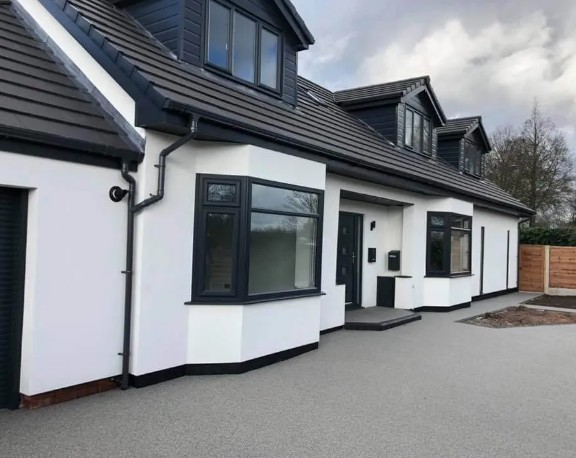
Outside it is mostly brick, with render on gables and porch cheeks and the odd pebbledash panel left from the original build. A crack tracking down from a window corner, and a patch that drums where sand and cement has parted from the blockwork, are the two failures we see. Patches are cut back to sound material, keyed with a scratch coat and brought level in a render coat, while a whole elevation that has parted comes off and goes back under a silicone thin coat. Nothing in Bearwood predates 1919, so there is no lime plaster on lath to work around and the finish options do not narrow the way they do on an old solid wall.
How it runs
From your call to a written price
Same team from the first visit to the last, one person to ring, and nobody sub-contracted in. The quote is itemised rather than one figure on the back of a card: preparing and protecting the room, any board or backing coat, beads, the finish coat, making good and disposal on separate lines. If something turns up behind the old finish that nobody could have seen, you get a photograph and a price before we carry on. Skimming inside your own home is not development, and outside, re-rendering in a similar appearance is normally permitted development. No conservation area covers Bearwood and only three listed entries sit anywhere near it, though the council keeps the list if you want to check where the nearest one starts.
Cost
What decides the price
No rate per square metre: the square metres are the easiest thing to measure and the least useful thing to know. A sound wall that only wants a skim is a different job from one where the backing coat has blown and has to come off back to the masonry and go back in bonding, browning or hardwall first. A mid-terrace where every bag of waste comes out through the front door, a semi with a side gate wide enough to barrow through, and a flat over a shared hallway are three different jobs before we start. Outside, a gable wants a tower or a scaffold priced on its own line. Ask any quote whether it is a skim or a full replaster, and who takes the waste away.
If it has come down
A ceiling down, or plaster blown off the wall
Ring rather than use the form. A ceiling that has cracked and dropped, or a wet patch spreading across a wall, goes to the front of the queue. We are four miles out, so this is normally same day or the next one. On dry lined walls the warning sign is different from an old house: a whole board goes soft and springy, and that is nearly always water from above it.
Worth knowing
Most walls in Bearwood are hollow, and that is not a fault
Knock on a wall in a house of this age and you get a drum rather than a thud. That is dot and dab: plasterboard stuck to the blockwork on dabs of adhesive with an inch or so of air behind it, then a skim over the top.
It became the normal way to line a wall in the eighties, and most of Bearwood went up in exactly that window. It is not a defect and it is not thin plaster. It does change three practical things, and they are the three we get asked about.
Fixings first. A plasterboard plug in a hollow wall will pull out with a shelf on it, let alone a television, so you want a fixing long enough to reach the block behind or a proper hollow-wall anchor. Cracks second: a hairline crack that runs dead straight is a board joint, not the house, and it wants taping rather than replastering. Cold spots third, and this is the one worth knowing.
Air can move around in the gap behind the boards where the dabs were not run continuously round the edges, which is why mould shows up in one corner of an outside wall and nowhere else in the room. If boards are coming off that wall anyway, sealing the perimeter properly on the way back costs almost nothing and fixes it for good. What we will not do is dab fresh board over a wall that is wet, because that hides the problem and it always comes back.
Who you are dealing with
A local firm you can check
We cover Bearwood, Merley, Kinson, Wallisdown, Broadstone and the rest of BH11. Bournemouth Roofing & Building Ltd, registered in England and Wales, company number 15471719, which you can look up in a minute. Thomas Hannen's business, and he is the one who comes out to price the job, not a salesman. A verified customer's 10 out of 10 on Checkatrade. The visit and the written quote are both free.
Questions
Bearwood questions we get asked
Are there any lath and plaster ceilings in Bearwood?
Practically none. Nothing in Bearwood's housing stock predates 1919 at all, so the lath and lime you meet in the old villages is simply not part of the picture. Ceilings are plasterboard on joists, sometimes with a textured coating over them. That makes the work more predictable, because the board is a known thickness and the fixings sit at known centres. We still open a small area up before pricing.
Our house is mid eighties. Are the walls dry lined?
Very likely. The 1980s alone account for 34.6% of Bearwood, and 37.0% of the stock went up between 1983 and 2008, so plasterboard on dabs is the local standard. That means a drummy sound across most of a wall is normal rather than a fault. It also means a heavy fixing needs a plug long enough to reach the blockwork behind the board, or it will pull the board face off.
We are in a terrace. What will the neighbours hear?
More than they would like, for a day. Terraces make up 28.9% of Bearwood, so a party wall is common here, and stripping old plaster off your own face of one carries straight through as knocking. We work off the wall rather than into it, and we give the neighbour notice of the noisy day so they can plan around it. Dust stays on our side, sheeted and bagged as we go.
Are there listed buildings in Bearwood we should know about?
Three entries across the area, and no conservation area over it. For the great majority of houses here that means the outside finish is your own decision, with Bournemouth, Christchurch and Poole as the authority if anything did need an application. Check your own address against the list if the building is one of the older ones on the edge of the settlement, then get on with it.
What do you check before pricing a ceiling replacement?
Whether the boards are still holding. I tap across the ceiling for movement, look at the direction of the joists, check the loft side for anything stored on top of the plasterboard, and look at the state of the joint tape. If the boards are sound the ceiling gets over boarded or skimmed. If they are sagging between the joists they come down, which changes both the scope and the mess.
Nearby, and next door
Plastering and rendering near Bearwood
Plastering and rendering nearby
Our other trades in Bearwood
Everything we do in Broadstone Plastering and rendering, all areas Every area we cover
Free quote
Get a price for plastering in Bearwood
Tell us which rooms and what you have noticed. We will come and look, and put an itemised price in writing. No charge either way.