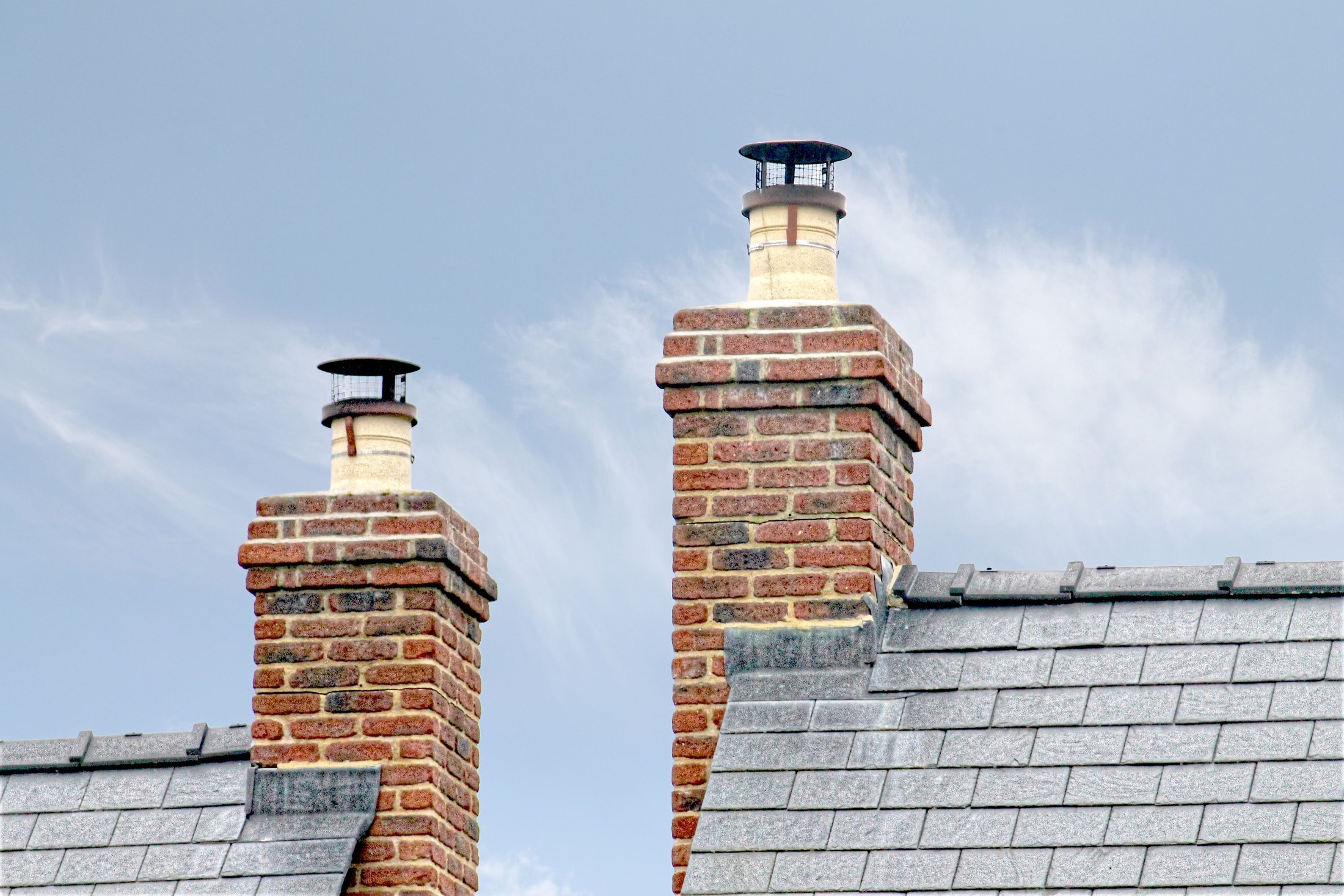
Roofing in Minstead
Storm damage, repairs, re-laying old tile and slate, leadwork and flat roofs around Minstead, Emery Down and Newtown.
The site visit is free and so is the written itemised quote. Thomas Hannen prices every job himself.
On the older roofs around Minstead the pitch does most of the work. A steep plain tile slope sheds water on its own, so when one starts leaking the cause is almost always a junction, a fixing or a blocked valley rather than the tiles themselves.
Two things bring people here to the phone. A limb or a whole branch has come off in a gale and taken a course of tiles with it, or a roof that has been quietly patched for years has finally started marking a ceiling. Both are worth looking at properly rather than guessing at.
We come out, get on the roof where it is safe to be, put a head into the roof space, and photograph the fixings, the timber and every junction so you can see what we are talking about. It is about eighteen miles and the site visit and the written quote are both free.
The work
What comes out of an oak lands in one place
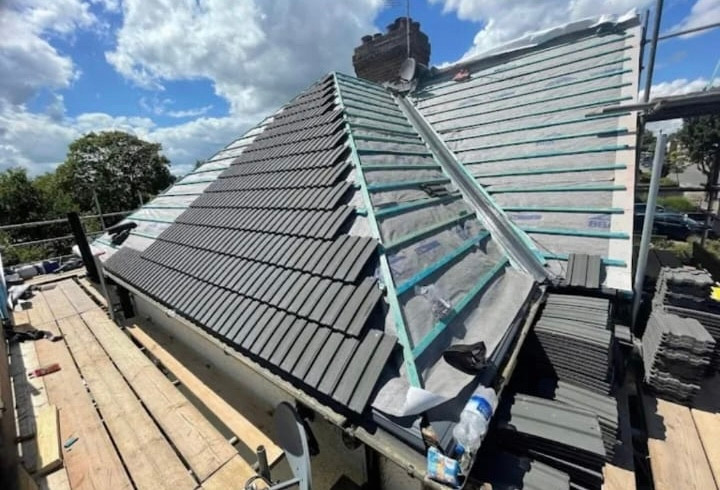
Storm and tree damage. The commonest emergency out here, and it behaves differently from ordinary wind damage. Mature oak and beech stand close to the houses, and what comes down is heavy and lands in one place, so instead of a scatter of slipped tiles you get a hole, a cracked rafter and sometimes a punctured flat roof over an addition. We sheet the opening, prop where the timber has gone and come back to the permanent repair once the whole of it can be seen.
Old plain tile and slate, relaid. Small plain clay tile hung on nibs and pegs, and natural slate, both on steep pitches. When they fail it is the nails, the pegs and the batten rather than the covering, so we strip, hand sort, keep the sound tile and re-lay it on treated battens over a breathable membrane, buying matched tile only for the shortfall. Torching made good where it survives. Inside the Forest Central (South) conservation area what goes back has to look like what came off, which is why the sorting is worth the hours.
Chimney flashings, soakers, back gutters, swept valleys and the abutments where a catslide or a dormer cheek runs into a wall, all in code rated lead cut into lengths that can move without splitting. Cottage roofs carry a lot of junction for their footprint, and mastic over a failed flashing buys a season. Perished felt tears where it laps into the gutter, and under deep shade the batten ends and rafter feet go soft first, so we check that from inside before we say anything about what you can see from the drive.
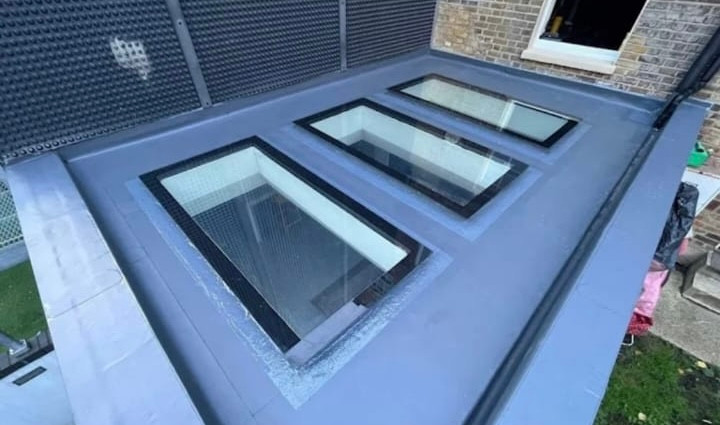
On the newer houses the mortar bedding cracks at the ridge and gable long before anything happens mid slope, and a dry fix ridge screwed over a ventilated roll is the mechanical fixing BS 5534 expects. On an older cottage we check whether a visible dry verge is acceptable here before specifying one. Rear additions, garages, porches and dormer tops in felt, GRP fibreglass or EPDM rubber, deck first, and a flat roof under trees wants its outlet checked twice a year. Deep overhangs and cast iron rainwater goods are common here, and cast iron is usually worth repairing and repainting rather than swapping for plastic. Deep shade also means heavy moss and lichen holding water against the covering. Insulation and eaves ventilation are far cheaper to sort while the roof is open, and Approved Document L sets the standard a renovated roof must reach.
How it runs
From your call to a written price
Same team throughout, no sub-contracting, and an itemised quote: scaffold, the strip out, battens and membrane, the covering, each junction and disposal on separate lines. Nothing left open overnight and the site swept daily. The New Forest National Park Authority is your planning authority rather than a district council, and the village sits inside the Forest Central (South) conservation area. A like for like repair or re-cover is maintenance and needs no application. A change of covering, a dormer or rooflights on a visible slope is a planning matter, and a listed building needs consent whatever permitted development says. National Park heritage and conservation guidance is the place to start.
Cost
What decides the price of a roof
No rate per square metre. Lanes here are narrow with open unfenced verges you cannot simply park a lorry on, and drives are often gravel, so where the scaffold and the skip stand is agreed with you before anything is priced. Steep pitches change the platform too, because work at height on a steep slope means proper edge protection rather than a ladder and optimism. The work at height rules are why the platform is a priced line. Chimneys, valleys and abutments are priced one at a time. Ask whether the scaffold is in the price and who pays for the skip.
If it is leaking now
Water coming in today
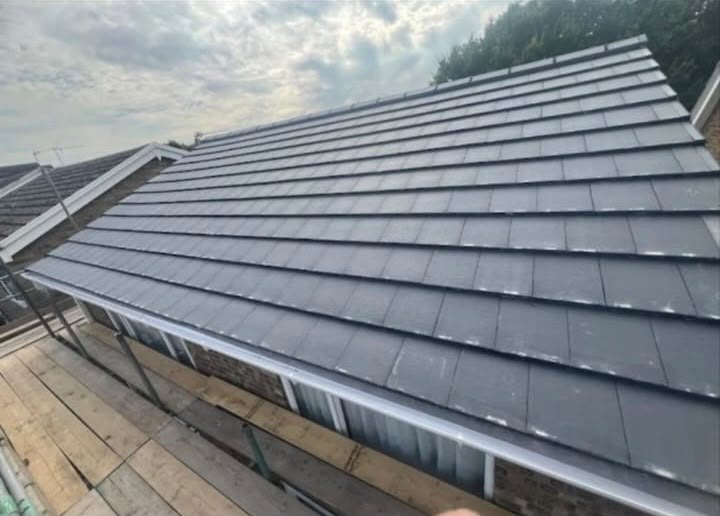
Ring rather than use the form. Anything letting water in comes first and the first visit makes it safe. If a branch has come down onto the roof, keep everybody out of the rooms underneath and ring rather than going up to look. We can sheet an opening, prop a broken rafter and clear a blocked valley the same visit. Anything left on site overnight is fenced, because stock wanders here.
Worth knowing
Decide about the loft before the roof comes off
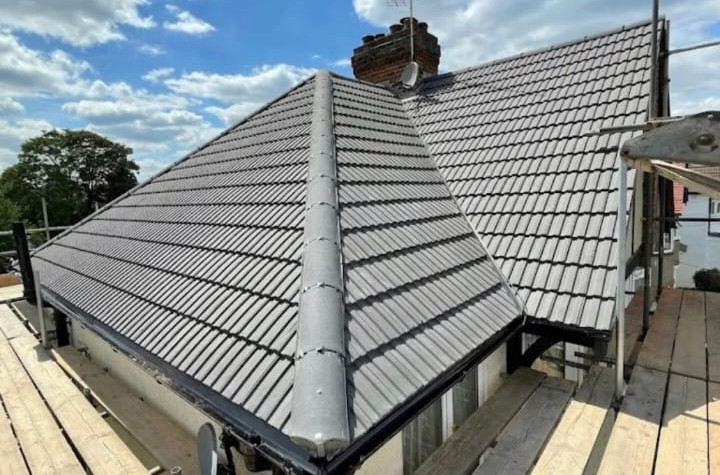
The cheapest time to do anything with a loft is while the covering is off and the access is already paid for. Insulation and ventilation are simple and we will always raise them. Turning the loft into a room is not simple here, and that is worth knowing early rather than late.
Minstead falls in the Solent nutrient neutrality catchment. It has nothing to do with a re-roof, a repair or new rainwater goods, and everything to do with a scheme that adds overnight accommodation. So a loft conversion that creates a bedroom is a planning application with a mitigation question attached, on a timescale measured in months, while the roof work itself is measured in days.
People find this out after the scaffold is up and then want to hold the job open while it is sorted, which costs more than doing it in the right order. If a room in the roof is anywhere in your thinking, tell us at the survey and ask the Park Authority before we start.
Who you are dealing with
A local firm you can check
About eighteen miles from us, covering Minstead, Emery Down, Newtown and the surrounding SO43 addresses out towards Lyndhurst. The New Forest National Park Authority is the planning authority for this address. Bournemouth Roofing & Building Ltd, registered in England and Wales, company number 15471719, which you can look up in a minute. Thomas Hannen's business, and he is the one who comes out to price the job, not a salesman. A verified customer's 10 out of 10 on Checkatrade. The visit and the written quote are both free.
Questions
Minstead questions we get asked
What can we change inside the Forest Central conservation area?
Like for like is maintenance and needs no consent. A change of covering, colour or material is a different matter, because Forest Central (South) controls appearance and the authority here is the New Forest National Park rather than a district council. Slate stays slate and a plain tile stays a plain tile unless they agree otherwise. We name the existing covering in the quote so there is no argument about it later.
Do the listed buildings here slow every repair down?
They slow the listed ones down and leave the rest alone. Minstead has eleven listed entries, the Church of All Saints among them, and for those the consent comes before the work rather than after. On an unlisted house inside the conservation area a repair in the same materials can go ahead. What we will not do is start stripping and ask afterwards, because putting the wrong covering back here is difficult to undo.
Can we put rooflights in while the roof is off?
Inside the National Park anything visible gets looked at, so rooflights on a slope facing the road are a conversation with the authority before they are a job for us. Conservation pattern fittings that sit flush with the covering usually go down better than a standard raised upstand. A rear slope out of public view is easier. We would rather ask on your behalf at survey stage than fit them and find out.
Why do you keep asking about the soakaway?
Because roof water has to go somewhere and the ground here moves with it. Cohesive ground with a shrink and swell rating means a soakaway sitting under one corner keeps that patch wet all winter and lets it dry back hard in summer, and the building feels it. Getting a downpipe to discharge clear of the footing is easy work while the scaffold is standing and awkward once it has come down.
Do the overhanging trees actually damage the covering?
They do two things. Constant shade keeps moss on the slope, the moss holds water against the tile and frost then lifts the surface off it. The leaves fill the gutter until it overflows down the wall. In a wooded setting like this one we build the clearing of the slope and the gutters into the work rather than treating it as a separate visit, and we say which branches want cutting back.
Nearby, and next door
Roofing near Minstead
Roofing nearby
Our other trades in Minstead
Roofing guides
Concrete vs clay roof tiles: which is right? Planning, building regs or listed building consent Storm damage to a roof: the first 24 hoursEverything we do in Ringwood Roofing, all areas Every area we cover
Free quote
Get your Minstead roof looked at properly
A free site visit, photographs of every junction and fixing, and a free written itemised quote.