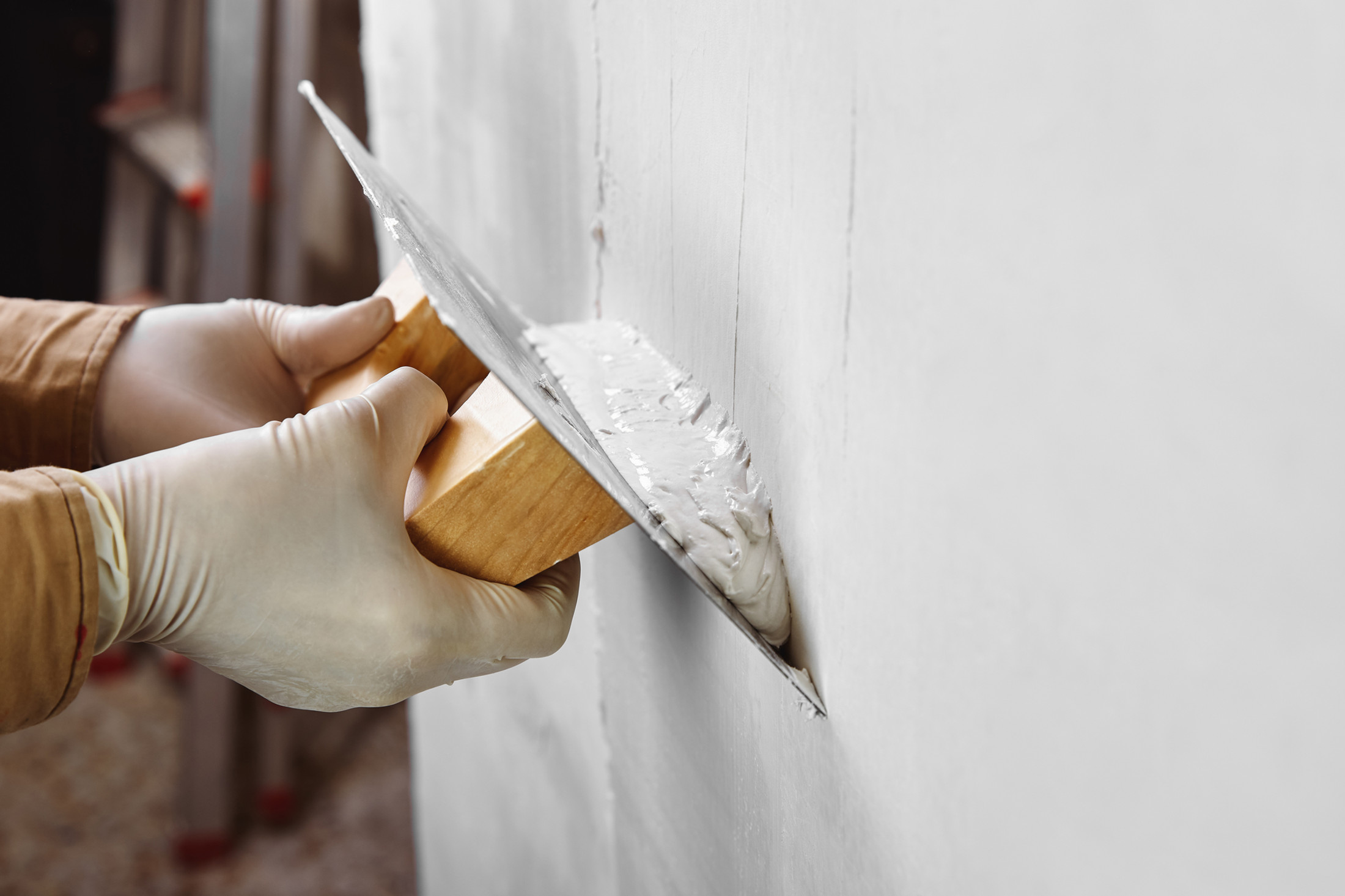
Plastering in Boldre
Skimming, ceilings, lime work and external render across Boldre, Pilley and SO41. Free visit, itemised written quote.
The site visit is free and so is the written itemised quote. Thomas Hannen prices every job himself.
Last updated
Inside a Boldre house, plastering is plastering and nobody needs to know about it. Outside is where this parish is different from anywhere else we work, because the National Park sets the rules on what you are allowed to put on a wall. Worth five minutes before you decide.
Out in Boldre the plastering runs from untouched original rooms to shaded render and conversions. A ceiling or a room that has never been touched since the house was built and now wants skimming. A patch of render on the shaded side of the house that is cracked, green and lifting.
Or a loft room, an outbuilding or a garage being turned into something useful, where the boarding and finishing is the last third of the job and usually the part nobody costed. We come out from Bournemouth, and the site visit is free, with an itemised price in writing before anything starts.
The work
North walls under the trees never dry out
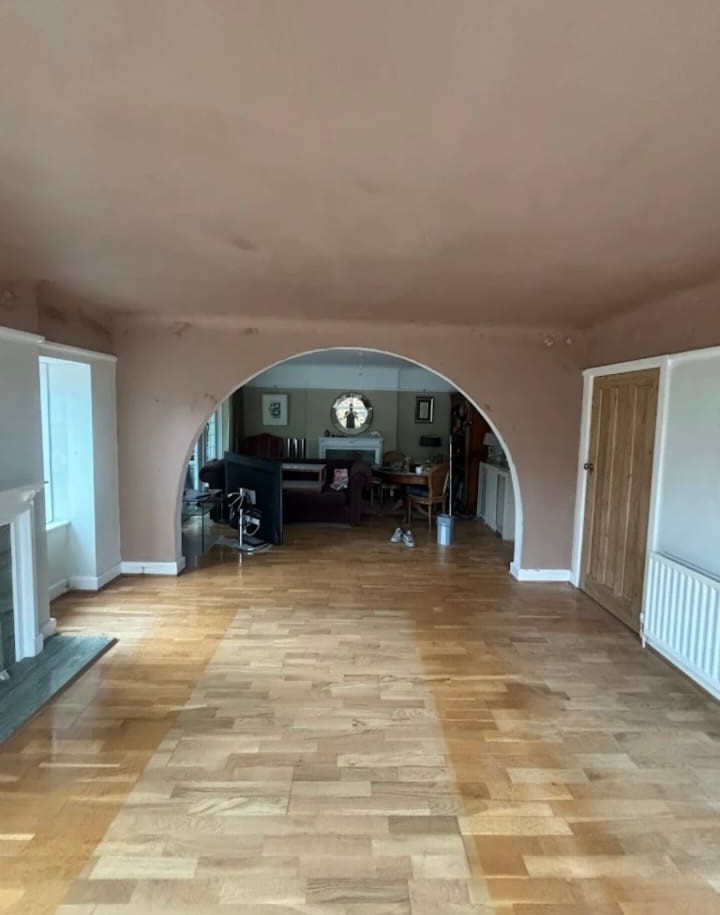
Skimming rooms in the newer houses. A good share of the housing in the parish went up from the eighties onward, and there that means plasterboard walls on dot and dab, a tape and joint finish and a thin skim over the top.
Those rooms are quick: flatten the joints, seal, and put two passes of finish coat on with a trowel. Where the boards were never skimmed at all, and a fair few were not, a skim is the single cheapest thing you can do to a tired room. Artex ceilings from the same era either take a skim after sealing, or get overboarded where the texture is deep.
A smaller number of houses in the lanes are solid walled brick with no cavity, lime plaster on the masonry or on lath, and lath and plaster ceilings above. On those, gypsum is the wrong answer. A solid wall has to stay breathable, so it takes a lime backing coat and a lime finish, and a ceiling with sound lath can often be secured back to the joists and skimmed rather than pulled down. Where you tap a wall and get a hollow note, the finish has already blown off the brick and filler will not bring it back.
Render on the shaded elevations. Where a house sits under tree cover, the north and west walls barely see the sun between October and March. They stay damp, they go green, and paint put straight over that growth is off again in two years, taking a layer of render with it. The order matters: kill and clean the growth first, let the wall dry, then cut out and patch anything hollow in a scratch coat and a topcoat. If a whole elevation is going, it is a mesh basecoat, a primer and a silicone thin coat or a monocouche, with a bell cast bead at the base so water drips clear instead of running back under it. For the outside walls, see rendering in Boldre.
Where a Boldre house has a room in the roof, the finish up there is a job of its own. Plasterboard fixed to the rafters, scrim and tape at every junction, a stop bead where the slope meets the window reveal, and the finish floated on in two passes. What decides whether it cracks, and whether it grows mould in February, is not the plaster at all but what is behind it: insulation with a proper air gap above and a vapour layer on the warm side, which is a ventilation question, and Approved Document F is the standard for it.
How it runs
Protect, strip, board and skim: a room put right
Thomas comes to look at the rooms, taps the walls to find where the backing coat has come away, and checks the ceilings for cracks and sagging. He tells you plainly whether a skim will do or the wall needs to go back to brick or block. The itemised quote lists protecting the room, taking off old plaster, any new plasterboard or bonding coat, the beads, the finish coat, making good and disposal.
Stripping, boarding and skimming are priced together on one quote in Boldre. Furniture is moved and covered, floors are sheeted, and doorways are taped off to keep dust out of the rest of the house. Old plaster is bagged and taken away the day it comes off. Boldre has a mix of post-war and 1980s-on housing, with plasterboard ceilings and gypsum on block or board walls, so a skim or a reboard is what many of them need. The older cottages may have lime plaster on lath, which wants a lime repair rather than gypsum. If stripping a wall exposes damp, a rotten lintel or loose lath, the work pauses while you look at the photographs and the extra price.
Plastering inside your house is not development and needs no application. External render is another matter: the Forest South East Conservation Area takes in a good part of Boldre, and the Park Authority judges anything visible from outside.
Cost
Skim, reboard or hack off: the choice behind the cost
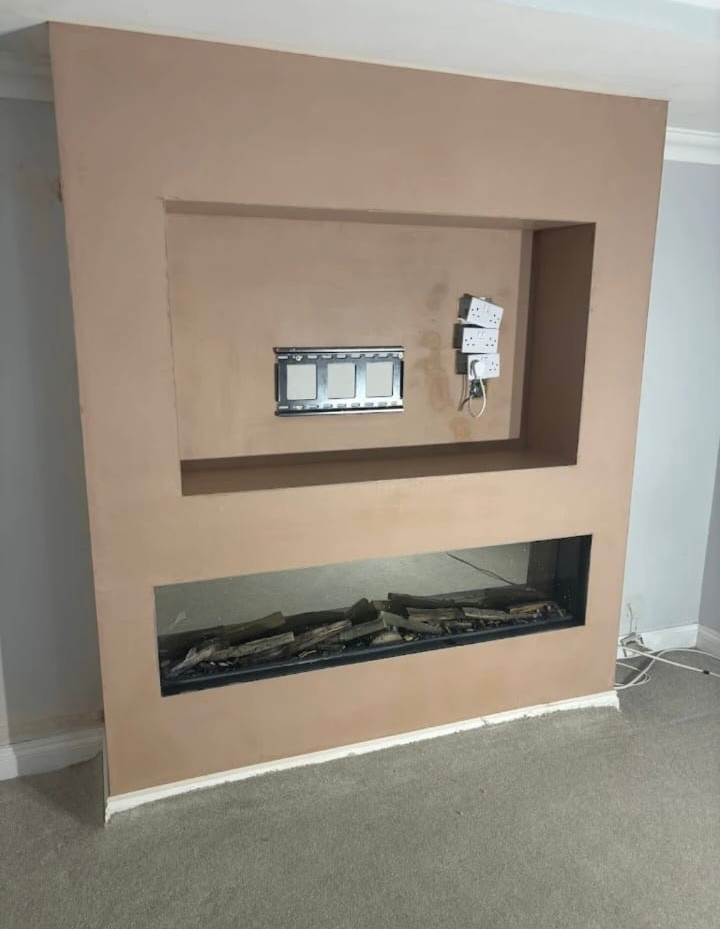
A rate per square metre is easy to give and tells you little, because the state of the wall under the paint is what counts.
Skim or strip. A sound wall only needs a PVA bond and a finish coat of multi-finish. Where the backing coat has blown, it comes off back to the masonry, and the wall is bonded, or dot and dabbed with plasterboard, before the skim.
Ceilings. Artex ceilings from the seventies and eighties are common in houses of this age, and they are usually overboarded and skimmed rather than scraped. An older artex should be tested before anyone sands it.
The age of the house. A cottage with lime plaster on lath needs lime, which is slower to put on and to dry. Gypsum on a damp solid wall will fail.
Beads and corners. Every external corner, window reveal and stop end takes a bead, and reveals eat time.
Access. A cottage down a lane with nowhere to stand but the verge means carrying materials further. A converted outbuilding at the end of a gravel track is a longer day than a house with a drive.
Ask the other plasterers whether beads and making good are included, who moves the furniture, and how long before the mist coat can go on.
If it has come down
A ceiling down, or plaster falling off a wall
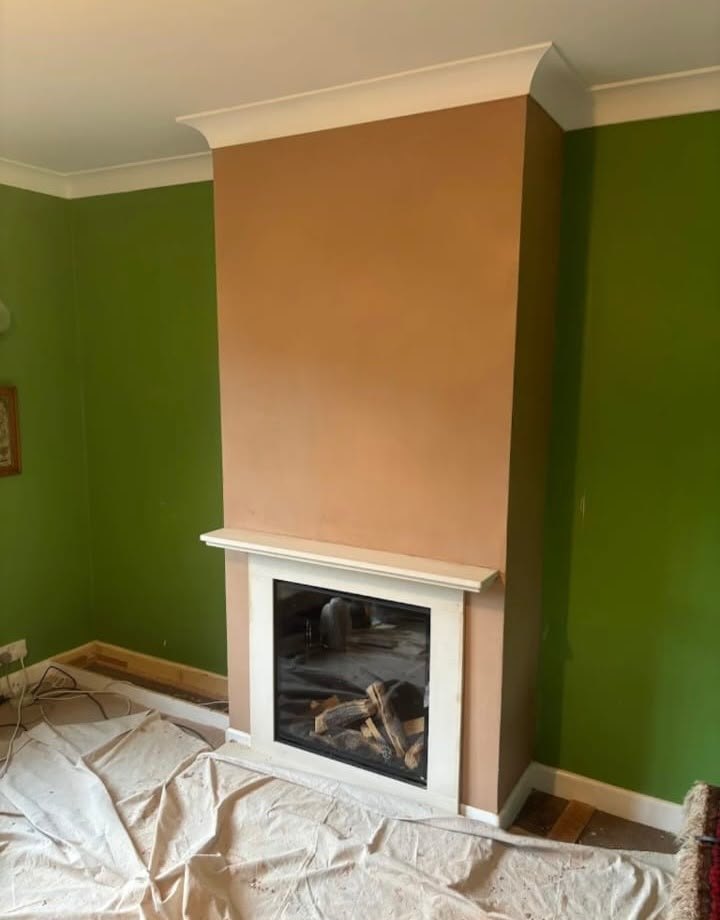
If a ceiling has cracked and is sagging, get everyone out of the room and keep the door shut. If it sits under a bathroom or a tank, turn the water off at the stopcock and put a bucket under any drip.
A ceiling under a cold loft can come down after a leak or heavy condensation. Do not try to push it back up. Phone us; the form is too slow for this. The first visit makes it safe: loose plaster comes down, what is left is propped or boarded, and the cause is found before the repair is priced. Scheduled work runs Monday to Friday, 8am to 6pm. If the phone is not answered, leave your number and we return the call once we are free.
Worth knowing
Your planning authority here is the National Park, not the district
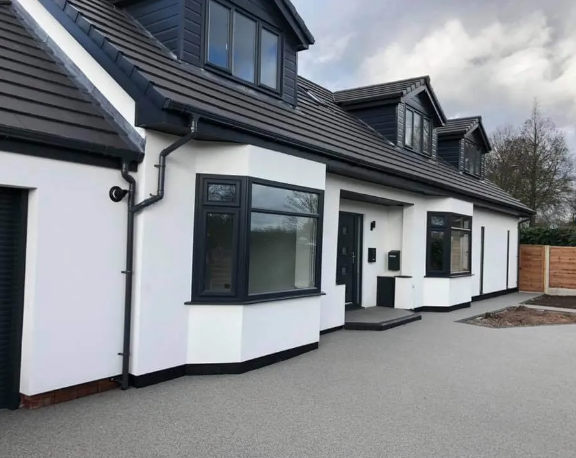
Boldre sits inside the New Forest National Park, so anything that needs permission goes to the National Park Authority, not the district council, and permitted development is narrower here than it is a few miles down the road. On our trade the one that catches people is cladding.
In a National Park you cannot add render, pebbledash, timber, tile or stone to the outside of a house as permitted development, even though the same work would be automatic in most of Bournemouth. Repairing render that is already on the wall is maintenance and is not caught by any of that. Putting render onto a wall that has always been bare brick is, and that needs an application, not a phone call.
So the thing to settle early is whether you are repairing or changing. If you are repairing, we can get on with it. If you are changing how an elevation looks, check the address on the Authority's interactive property map first, which will also tell you whether the building is listed, and there are eleven listed entries in this parish.
Their heritage and conservation guidance sets out what they look at, and on a listed building the consent reaches inside the house as well, so a lath and plaster ceiling is part of that conversation too. None of it makes the work harder to do. It moves the timetable, and it is far cheaper to find out at the quote stage than with a scaffold already standing.
Who you are dealing with
A plasterer from Boscombe for the Forest villages
Bournemouth Roofing & Building Ltd is registered in England and Wales, company number 15471719, and it is Thomas Hannen’s company. He is the one who comes to tap your walls and look up at the ceilings, and he prices the job himself. Before you book a visit in Boldre, you can read our customers' Google reviews, word for word, on our reviews page.
Boldre is about thirteen miles out from our base in Boscombe, and we plaster in the village, Pilley, Bull Hill, Portmore and South Baddesley, and on into Lymington. For outside render, planning here is the National Park Authority’s. A verified customer gave us 10 out of 10 on Checkatrade. The visit costs nothing and neither does the written quote, which lists every item.
Planning at a glance
Do you need planning permission in Boldre?
Most repairs in Boldre need no application at all. What decides whether a change to the outside of your house does is who the council is, whether a conservation area or a listing applies, and whether the place sits in a protected landscape.
| Question | In Boldre |
|---|---|
| Who decides | New Forest National Park Authority is the planning authority for Boldre. New Forest National Park Authority's heritage pages set out what it controls. |
| Conservation area | Yes: Forest South East Conservation Area. Check whether your street is inside the boundary before changing anything visible. |
| Listed buildings | Yes, there are listed buildings in and around Boldre. If yours is one, work can need listed building consent. |
| Protected landscape | Inside the New Forest National Park, where design is looked at more closely and permitted development rights are narrower. |
Questions
Questions about plastering in Boldre
Which authority handles planning applications for Boldre?
The New Forest National Park Authority, not the district council, because the parish sits inside the park boundary. That matters for anything changing how a building looks from outside, since design scrutiny applies to what is visible.
There are eleven listed entries in the parish, and much of it lies in the Forest South East Conservation Area, whose character areas include Boldre Village, Boldre Church and Heywood Manor, and Bull Hill and Pilley. A like for like repair to an unlisted house is not something you need to apply for.
Our Boldre house is eighties or later. What is behind the skim?
Plasterboard, in the main: plenty of the housing here dates from the 1980s onwards, so boarded ceilings and dry lined walls are what you are most likely to have. The cracks that worry people usually run dead straight along a taped joint, which is board movement and nothing structural. Over skimming the whole surface hides the joint instead of chasing each crack.
Can one house in a terrace be rendered on its own?
One house on its own is fine, and nothing obliges the neighbours to join in. The work stops at the party line, so we form a clean vertical stop bead there rather than feathering new render into the neighbour's. Matching the existing colour and texture is the harder part, because weathered render never matches a fresh mix exactly. We agree the finish before starting.
Why is only the south west wall in poor condition?
Because that is the elevation carrying the weather in this parish. Wind driven rain works at the edges and the openings, not at the middle of a sound surface, so the reveals, the verge and the corners go first while the sheltered walls look untouched. We quote the elevation that needs doing. Wrapping the whole house when one face has failed is work brought forward for no reason.
Do you work out to Boldre through the winter?
Internal work carries on all year, and Boldre is 12.9 miles from our base, which is a normal run for us. External render is the part that waits, because a top coat needs a dry, frost free spell to cure and this side of the forest catches the weather off the water. We book inside work for the winter months and the render for a settled stretch.
Nearby, and next door
Plastering near Boldre
Nearby places we also cover for plastering, with straight-line distances from Boldre, and the other trades we offer in Boldre itself.
Plastering nearby
Our other trades in Boldre
Plastering and rendering guides
Silicone, cement or lime: which render? Cracked render: which cracks matter Hollow-sounding wall: blown plaster or dot and dabEverything we do in Lymington Plastering, all areas Every area we cover
Free quote
Get a price for plastering in Boldre
Tell us the address and which rooms. We will come out, look properly, and put an itemised price in writing. No charge, and no obligation.