Rendering in Moordown
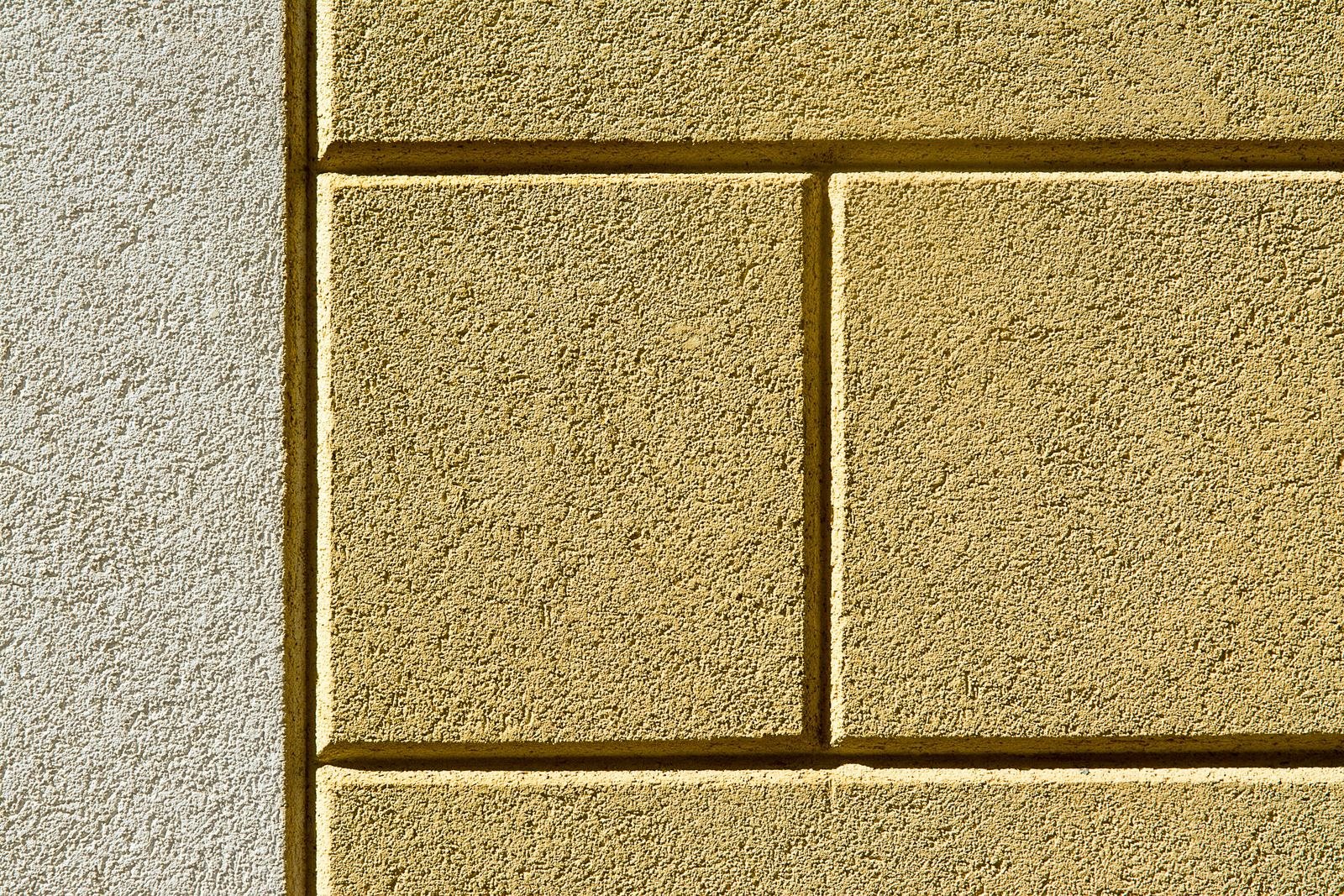
Pebbledash, roughcast and smooth render on the 1920s and 30s houses of Moordown, repaired or replaced after every wall has been tapped.
The site visit is free and so is the written itemised quote. Thomas Hannen prices every job himself.
Last updated
Rendering in Moordown is often about the pebbledash and roughcast on houses from the 1920s and 30s: patching or re-dashing where it has blown, or hacking it off and re-rendering in a modern silicone or monocouche system. We tap every wall first so the quote reflects what is loose, not a guess.
On a Moordown house the warning is usually a change you can see. A section of pebbledash has fallen off below a bedroom window and left bare brick. A crack has opened at the corner of a bay and gone green underneath. Or the house has been painted over the dash at some point, the paint is peeling, and the walls inside feel damp in winter.
We come out, tap the render on every elevation, mark the hollow areas, check the beads and the bottom edge, and find out what the wall behind is built of. Then you get a written itemised quote that lists each wall and each coat. The visit and the quote are free.
The work
Pebbledash, roughcast and smooth render on BH9 houses
Blown dash needs patching. On a Moordown house, pebbledash is a sand and cement coat with small stones thrown into it while it is wet. After decades of weather, water gets behind it at a crack or a sill, frost pushes it off the brick, and whole patches sound hollow when tapped.
Where the blown area is small, we hack back to a sound edge, render in a matching basecoat and dash it with stone to match. The patch never quite disappears, and we will tell you that before we start.
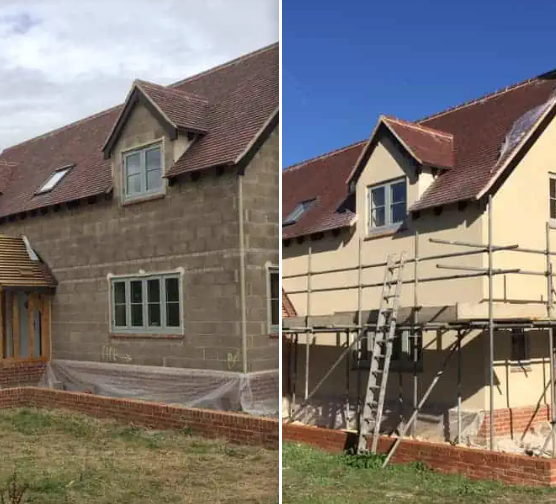
Re-rendering a whole elevation. When more of a Moordown wall is hollow than sound, we hack the lot off, clean down and stabilise the background with a primer, then apply a mesh reinforced basecoat and a finish. That can be a new dash, a scraped through-coloured monocouche, or a silicone thin coat that sheds water and resists algae. Each has a different look and upkeep, and we bring samples. A typical side of a house is about a week including drying time.
Bays, sills and the bottom edge. The front bays on inter-war houses are where render cracks first, at the corners and under the sills. We fit new stop beads and a bellcast bead above the damp course so water drips clear of the wall instead of wicking up behind it.
Older solid walls. The Victorian and earlier houses in Moordown, a minority here, have solid walls, not a cavity. On a period wall like that, cement render traps moisture in the brick, so repairs go back in lime and the finish stays breathable.
Bungalows and extensions. Smaller walls, usually done off a tower, and often a chance to render a newer extension in the same finish so it matches the house.
External wall insulation. If the render is coming off anyway, it is worth pricing EWI at the same time: insulation board fixed to the wall and finished with a render carrier and topcoat, which improves the thermal performance of the whole elevation, because the scaffold and the prep are already paid for. It needs building control, and details at the eaves, sills and reveals, which we go through at the visit.
When we would talk you out of it. A few hairline cracks in sound render do not mean a new coat. Algae and green staining come off with a clean, and fine cracks can be filled and left. We will say so instead of selling you a full re-render.
How it runs
From your call to a written price
One person to ring from the first visit to the last. The quote is itemised, not a figure on the back of a card: access and scaffold, protection, preparation of the existing wall, the system and number of coats, beads and stop ends, and making good on separate lines, so you can compare it properly against anyone else's.
Nothing is left open or unusable overnight. The site is swept at the end of each day, not the end of the job, and what comes out leaves with us. If something turns up once we start that nobody could have seen, you get a photograph and a price before we carry on.
Moordown is not in any of BCP's conservation areas, so re-rendering a house in a similar finish is normally permitted development, and the Planning Portal guidance on external walls sets out when it is not. Moorside Cottage on McWilliam Road, which is thatched with roughcast walls, is listed, and any work to its render needs listed building consent. Re-rendering more than half of a wall can bring in building control, because the wall may then need insulating to Approved Document L.
Cost
What decides the price of a rendering job
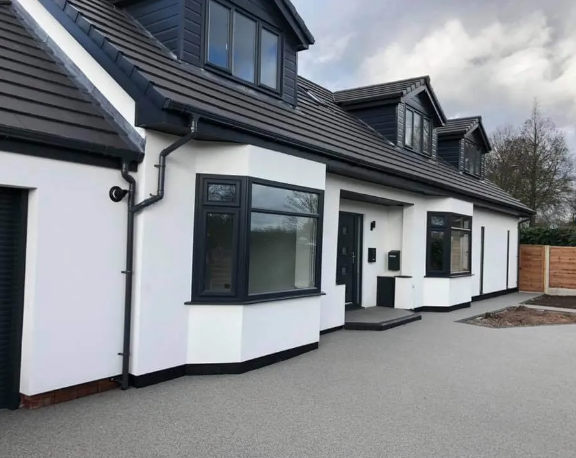
No rate per square metre, because the square metres are the easy part; what is already on the wall decides the price.
Getting to it. A pebbledashed first floor on a detached house, a bungalow gable you can reach from a tower, and the upper floors of a Wimborne Road shop with the pavement below are three different set ups. A bungalow gable comes off a tower, a three storey elevation wants a scaffold, and the platform has to stand for the whole system rather than a day. The work at height rules are why it is a priced line rather than something folded into a rate.
What is already on the wall. Rendering over sound brick is one job. Hacking off blown sand and cement, or a pebbledash that has parted from the background, is another, and it is the part nobody can see from the road. We tap the whole elevation before quoting, because the hollow areas set the hours.
The system, and what the wall behind it needs. Silicone thin coat over insulation, monocouche through-coloured, or traditional sand and cement all price differently and behave differently. On a solid wall that has to breathe, a plastic-rich modern system traps moisture and moves the problem inside, so the right system is a wall decision rather than a colour decision.
Comparing quotes for a Moordown render? Ask which system is being quoted and how many coats, whether the old render is being hacked off or overlaid, whether beads, bellcast and stop ends are included, whether the scaffold is in the price, and what happens to the existing sills and pipework.
If it has started to come away
Render that has blown or cracked open
Ring rather than use the form. A section that sounds hollow when you tap it, or a crack you can get a coin into, is letting water behind the render and the frost does the rest.
We make the loose area of a Moordown wall safe, sheet it if the weather is against us, and price the elevation once we can see how far the blown area actually goes. Pebbledash coming off over a path or a front door is the one to deal with first, so tell us where it has fallen and whether more is hanging. Scheduled work runs Monday to Friday, 8am to 6pm. For anything urgent, ring rather than use the form, and if we cannot pick up we ring you back as soon as we can.
Worth knowing
Think twice before painting over pebbledash
Pebbledash and roughcast were popular finishes on houses of the 1920s and 30s, and around three quarters of Moordown's homes were built before the Second World War. A lot of that dash has since been painted, often more than once, to brighten it up or hide a patch.
The trouble is that most masonry paint forms a skin. Water that gets in at a crack or a sill cannot dry back out through the face, so the dash softens and lets go from behind the paint, and the damp shows on the inside.
So if your dash is sound and unpainted, leave it or clean it rather than paint it. If it is already painted and peeling, the right answer is usually a breathable mineral paint after the loose areas are repaired, or hacking off and re-rendering if large areas are hollow. What you should not do is paint over blown dash to make it look better for a sale. It hides the problem from the next surveyor and makes the eventual repair bigger. Ask us to tap the walls before you pick a colour.
Who you are dealing with
A local firm you can check
We cover Moordown and all of BH9, from Wimborne Road into Winton and across to Kinson, with BCP Council as the planning and building control authority. Our Boscombe base is just over two miles away.
You are dealing with Bournemouth Roofing & Building, the trading name of Bournemouth Roofing & Building Ltd, registered in England and Wales, company number 15471719, which you can look up in a minute. Thomas Hannen's business, and he is the one who comes out to price the job, not a salesman. A verified customer's 10 out of 10 on Checkatrade. The visit and the written quote are both free. Before you book a visit in Moordown, you can read our customers' Google reviews, word for word, on our reviews page.
Planning at a glance
Do you need planning permission in Moordown?
Most repairs in Moordown need no application at all. What decides whether a change to the outside of your house does is who the council is, whether a conservation area or a listing applies, and whether the place sits in a protected landscape.
| Question | In Moordown |
|---|---|
| Who decides | BCP Council is the planning authority for Moordown. BCP Council's heritage pages set out what it controls. |
| Conservation area | None covers Moordown, so a like-for-like repair is ordinary maintenance. |
| Listed buildings | Yes, there are listed buildings in and around Moordown. If yours is one, work can need listed building consent. |
| Protected landscape | No National Park or National Landscape covers Moordown. |
Questions
Questions about rendering in Moordown
Can you patch pebbledash so it doesn't show?
We match the stone and the render as closely as we can, but a patch always shows a little at first because the old dash has weathered. It blends in over time.
Should I re-dash or change to a smooth render?
Either works. Re-dashing keeps the look of the house. A silicone thin coat is lower maintenance and resists algae. We bring samples of both.
How long does it take to re-render a house?
One elevation is about a week including drying time. A whole detached house takes a few weeks. Each coat needs dry, frost free weather.
Can you render in winter?
Not in frost: render needs a few dry days above freezing to cure, so we plan whole elevations for spring to autumn and do small repairs when the weather allows.
Nearby, and next door
Rendering near Moordown
Nearby places we also cover for rendering, with straight-line distances from Moordown, and the other trades we offer in Moordown itself.
Rendering nearby
Our other trades in Moordown
Rendering guides
Silicone, cement or lime: which render? Cracked render: which cracks matter Listed building consent for repointing and re-renderingEverything we do in Moordown Rendering, all areas Every area we cover
Free quote
Get your render tapped and priced properly
Thomas comes out, taps every wall, checks the beads and sills, and sends a written itemised quote. The visit and the quote are both free.