Insulation in Tolpuddle
Loft, rafter, wall and floor insulation for oil and electric heated homes in the Piddle valley, surveyed before it is priced.
The site visit is free and so is the written itemised quote. Thomas Hannen prices every job himself.
Insulation is worth more in Tolpuddle than it is on a gas estate, because most of the village buys its heat by the tank load or straight off the meter. Where there is a proper roof space over you, a second layer laid over the joists is usually a single day and it is the first thing we would do. Where the ceiling is a sloping one or the walls are solid, the job is bigger and the free visit is there to tell you which you have.
Three things bring people to the phone. An oil delivery that seems to go nowhere. A bedroom under a sloping ceiling that is cold in February and unbearable in July. And a house that has just changed hands, where the survey said the loft was thin and nobody has been up since.
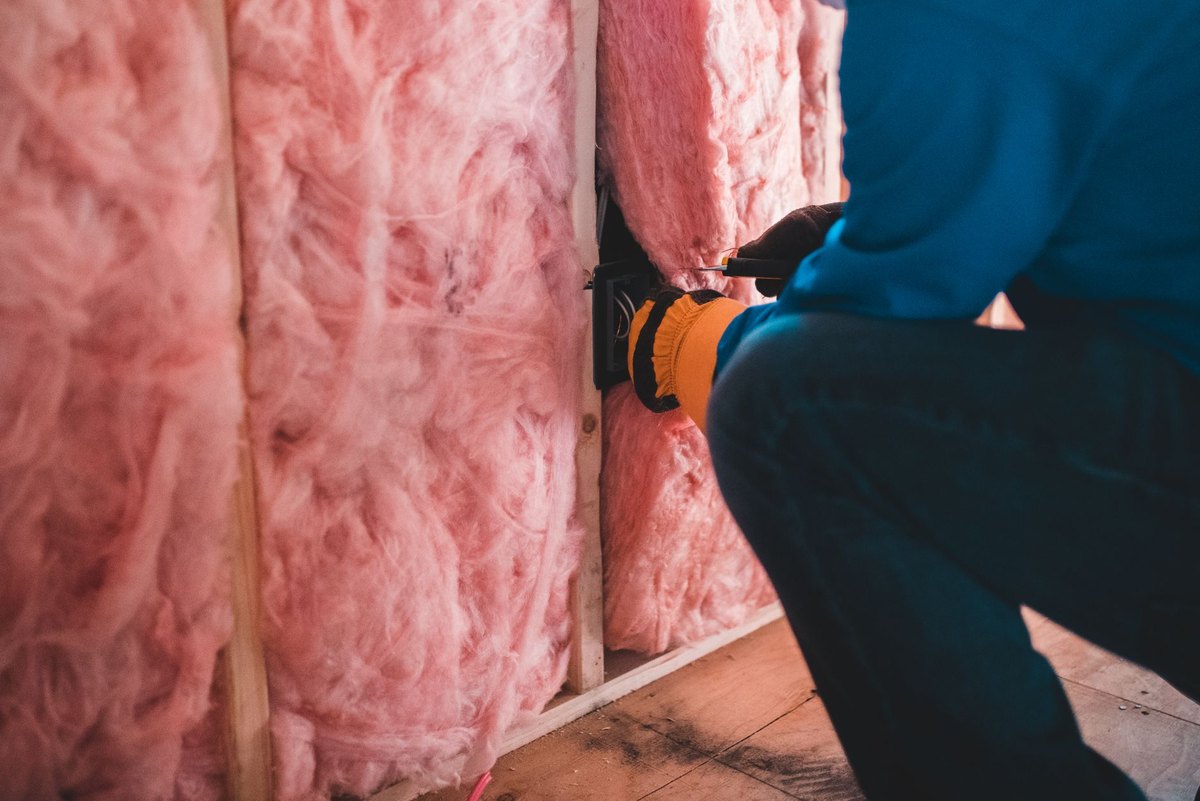
None of those has one answer, so we look before we price. We get into the roof space where there is one and put a rule into what is already there rather than guessing, check whether the eaves are open and the ventilation path still works, find the cylinder, the tank and every pipe run that will end up above the new layer, and tap the walls to see whether there is a cavity behind the plaster or a foot of solid wall.
On the older houses we look at what is under the ground floor as well. Then you get a written itemised quote with the method on it as well as the number.
The work
The tank and the pipes get colder the day we finish
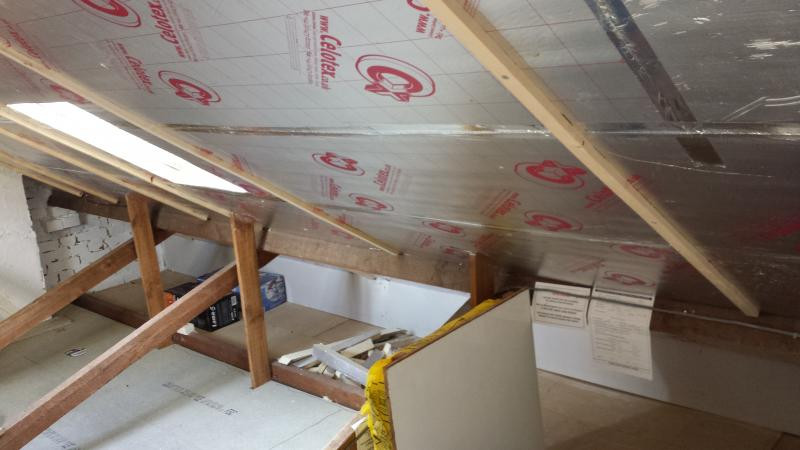
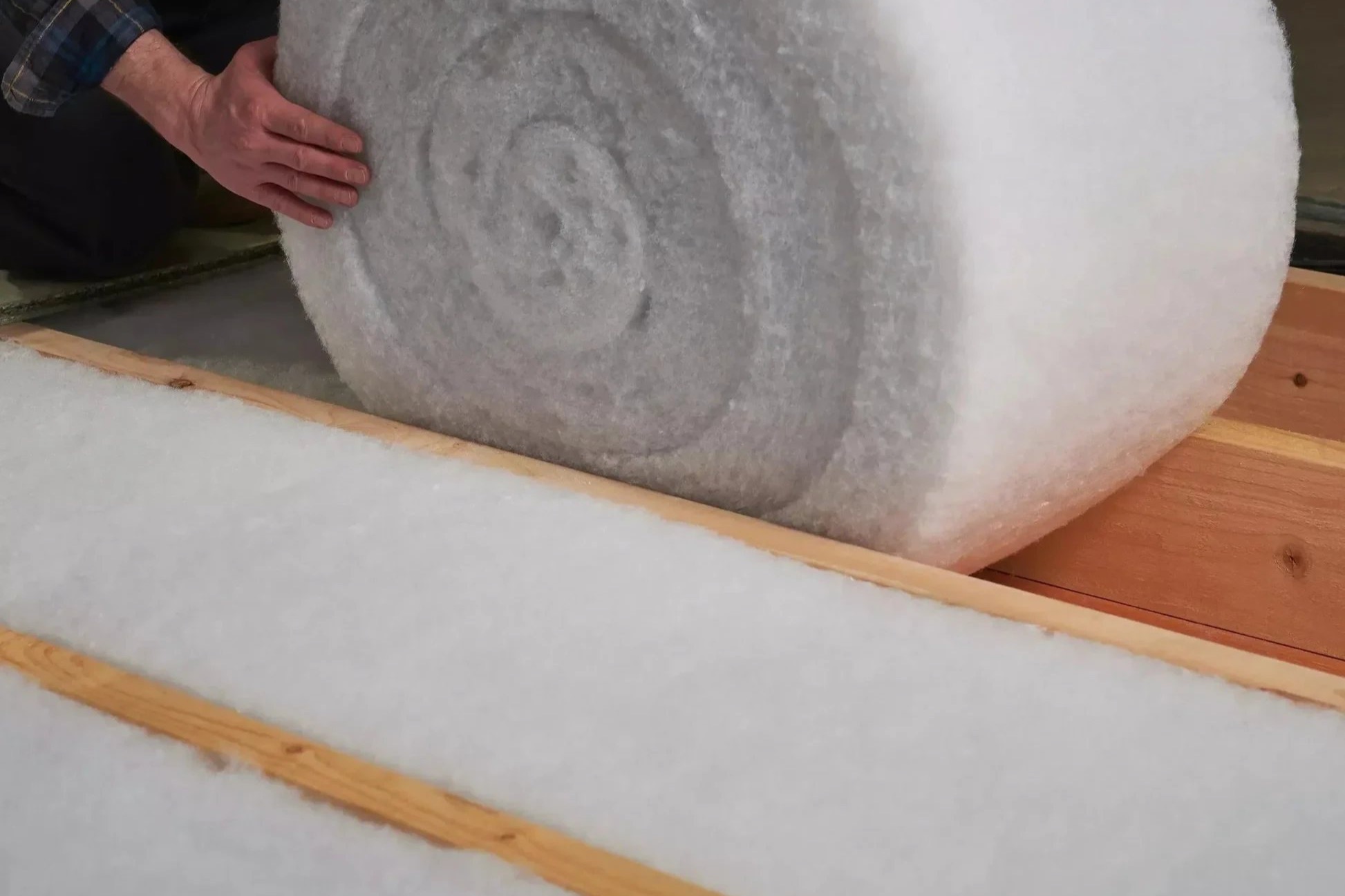
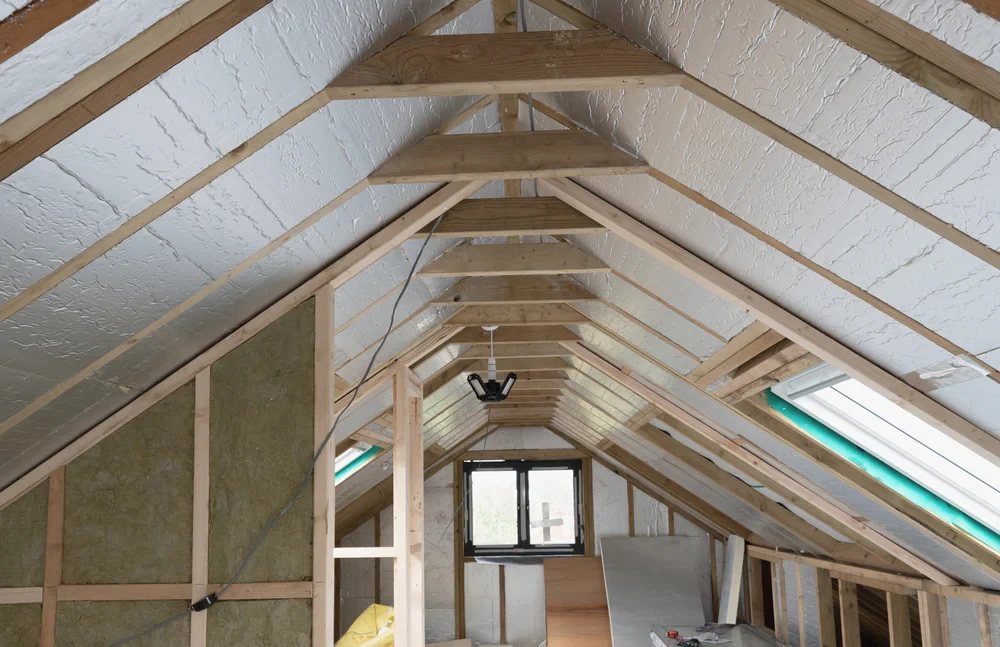
Why the loft comes first here. Where the roof is tiled and the loft is a proper loft, this is the cheapest heat you will ever buy back. The original layer has almost always settled, been compressed under stored boxes, or stops short of the wall plate. We lay between and over: fresh mineral wool between the joists, a second run at right angles across the top so the timbers stop bridging the cold, 250mm to 270mm all in, which is what carries a ceiling to the 0.16 U-value Approved Document L expects of a renovated roof. Most are a day. Where a dormer or a room in roof conversion has taken the ceiling up to the slope, the line moves to rafter level and becomes a warm roof, rigid board fitted between and under the rafters.
The tank and the pipe runs. A quarter of the households here heat with oil, which makes this matter more than it does elsewhere, and it is the part most quotes leave off. Every centimetre of depth you put on the loft floor makes the space above it colder, so a tank, a vent pipe or a heating run left up there now sits in a much harder place than it was. Those need lagging, the tank gets a jacket and stays uninsulated underneath so the ceiling below keeps it above freezing, and the airing cupboard cylinder gets looked at while we are there. If the loft is boarded, the boarding goes back on legs above the new depth rather than crushing it, and any downlighter below gets a fire rated cover.
A newer house in the village will have a cavity wall worth a borescope before anyone quotes a fill, because a slumped or bridged cavity turns a fill into a damp problem. The older cottages have no cavity at all, and inside the Tolpuddle Conservation Area external wall insulation is a planning conversation before it is a technical one, so on an old solid wall the internal build-up has to be vapour open. A foil faced board sealed against a cottage wall is the one thing we will talk you out of every time. Where an older floor sits over a ventilated void the airbricks stay clear: blocking them to kill a draught is how a dry void turns damp.
How it runs
From your call to a written price
Insulating a loft, a floor or the inside face of a wall is an improvement rather than development, so no planning permission is involved and it sits inside permitted development, which is what the Planning Portal's insulation guidance says. Building control is the separate one, and it is engaged when a thermal element is renovated or a loft becomes a room. The village centre is covered by the Tolpuddle Conservation Area and there are twenty-seven listed entries in and around it, so any work that changes the outside face of a building needs checking first, and on a listed building needs listed building consent in its own right. Dorset Council is the authority here.
Cost
What decides the price of an insulation job
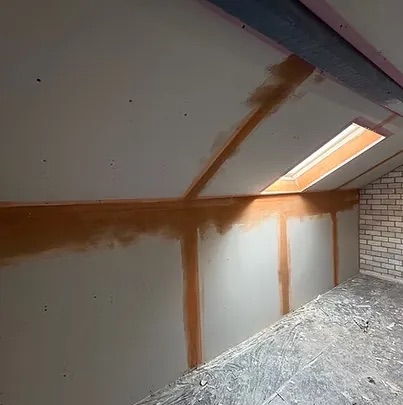
No rate per square metre. A cottage with a trap door on a landing and a roof space you cannot stand up in, a converted attic where every metre is at rafter level, and a newer house with a loft ladder and a clear floor are three different days before any material is bought. Old material that has to be bagged and taken away is a cost before anything new goes down. Approved Document L sets what the finished work has to reach. Ask any quote what depth is going down and whether the tank and the pipework are included.
If it is urgent
Damp, condensation or a room you cannot heat
Ring rather than use the form. A loft dripping with condensation, mould that keeps coming back, or a room that will not hold heat gets looked at quickly. The first visit tells you whether it is insulation, ventilation or both. Tolpuddle is a longer run out for us than most places we cover, so you get an honest day rather than a promised hour we would miss.
Worth knowing
Off the gas main, the fabric is worth more
Roughly a quarter of the households in Tolpuddle heat with oil and about one in ten with electricity. That changes the order you should do the work in. On oil you buy heat in a tank load, at a price nobody at your end controls, and on electric heating the unit is dearer again. Either way the same loft saves you more per year here than it would on a house with a gas meter, and a payback argument that looks marginal in a town looks obvious here.
So the order we would give you is this. Loft depth first, because it is the cheapest surface in the building to fix. Then the draughts, the hatch and an unused chimney, which cost little and are what people feel. Then the cylinder and the pipework, because you have already paid for that heat. Then the walls.
Two practical points that follow from it. If you heat with storage or panel heaters, you cannot move heat from a warm room to a cold one the way a wet system does, so the coldest room in the house has to be fixed at the fabric rather than by turning something up, and a sloping ceiling or a solid outside wall in that room is where the money should go. And when you compare quotes, read HMRC's VAT Notice 708/6, which sets out how VAT is treated on the installation of energy saving materials in residential property.
Two quotes for the same loft can be presented very differently, and knowing how the tax treatment works stops you comparing two numbers that were never the same number. One last thing worth saying out loud: on oil, the saving does not show up as a smaller monthly figure. It shows up as a longer gap between deliveries, so note the date of your last fill before we start and you will actually be able to see it.
Who you are dealing with
A local firm you can check
We cover Tolpuddle and Burleston on DT2, out through Puddletown, Milborne St Andrew and Bere Regis, and Dorset Council is the planning and building control authority for this address. Bournemouth Roofing & Building Ltd, registered in England and Wales, company number 15471719, which you can look up in a minute. Thomas Hannen's business, and he is the one who comes out to price the job, not a salesman. A verified customer's 10 out of 10 on Checkatrade. The visit and the written quote are both free.
Questions
Tolpuddle questions we get asked
Does the Tolpuddle Conservation Area stop a warmer roof?
No, not the roof itself. The designation controls appearance along the street, so a change of covering, a new rooflight on the front slope or cladding on a visible wall goes to Dorset Council first. Material laid over the ceiling joists changes nothing that anybody can see from outside. Like for like repair counts as maintenance; swapping one material for another does not, and that is the line the council draws.
Martyrs' Cottage is listed. Does living nearby affect us?
Being near a listed building is not the same as being one. There are 27 listed entries in the parish, the Martyrs' Cottages and the former Methodist chapel to the east of them included, and listed building consent attaches to the building itself. If yours is not on the list, internal insulation is straightforward. If it is, linings inside need consent every bit as much as changes outside do.
We are on oil and electric heating. Where do we start?
Above your head. Roughly 25.8% of Tolpuddle households burn oil and 9.9% use electricity, and neither is a fuel you want disappearing through a ceiling. The order that works is loft depth, then the hatch and the draughts, then anything to do with walls or the boiler. Doing it that way means the heating you already own is asked to do less before you spend on replacing it.
The cottage has no proper loft hatch. Can it still be done?
Usually. Old Tolpuddle cottages often have a small square of plywood in a bedroom ceiling and no ladder, which is enough to get material through if we work off a tower rather than a leaning ladder. Where the opening is too tight for boards, quilt goes up in compressed bags and is opened out inside. Cutting a bigger hatch is half a day if you decide you want one.
How much of the house do you actually go into?
The room under the hatch and the route to the front door, nothing else. Floors and stairs are sheeted along that line, the old material comes down in sealed bags and the van leaves with it. In a Tolpuddle cottage with narrow stairs we bag smaller and make more trips rather than dragging anything down. Everything gets vacuumed before we go, treads included.
Nearby, and next door
Insulation near Tolpuddle
Insulation nearby
Our other trades in Tolpuddle
Everything we do in Wareham Insulation, all areas Every area we cover
Free quote
Get a look before you get a price
A free site visit in Tolpuddle, a rule put into whatever is up there now, and a written itemised quote with the method on it as well as the number.