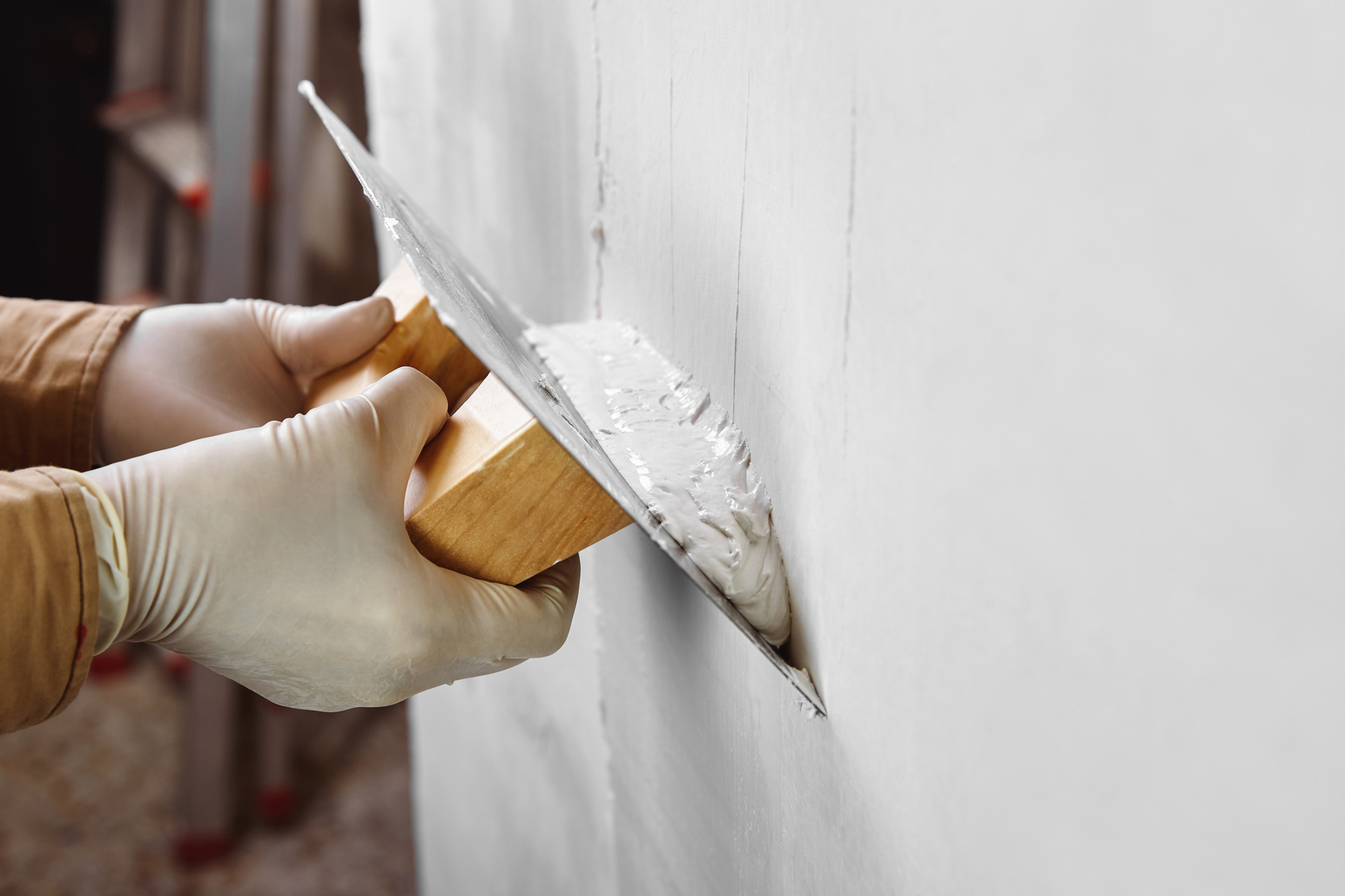
Plastering and rendering in Freshwater and Totland
Lath ceilings, lime on solid walls, re-skims and render that stands up to the salt, across the west end of the Island.
The site visit is free and so is the written itemised quote. Thomas Hannen prices every job himself.
A good part of Freshwater and Totland was built before the First World War, so the honest answer to most questions here starts with what is behind the paint. Lime plaster on lath and a solid wall want one repair. A post-war bungalow on the newer roads wants a completely different one.
Most calls are one of three. A ceiling has cracked in a line or started to sag, and the house is old enough that nobody knows what is holding it up. A wall has blown, usually low down or on the side that faces the weather, and the paper is lifting with it.
Or a room is being brought back into use after a leak, a tenant or a long winter, and it needs to be flat, dry and ready to decorate. We come and look, tap the walls and ceilings through, and say what is worth saving and what is not.
The work
Old villas cut into flats, facing the sea
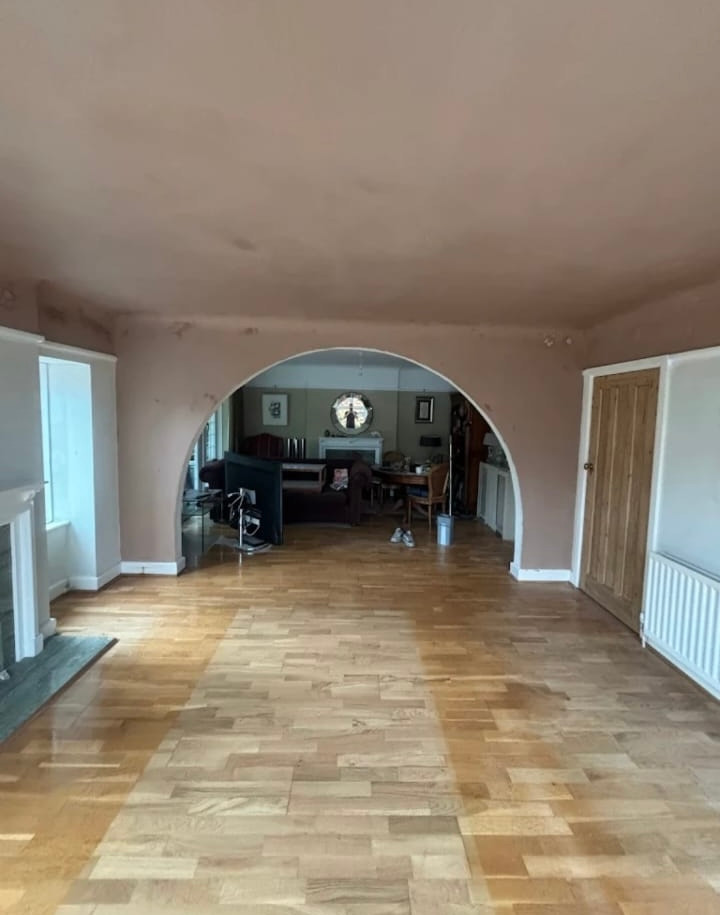
Lath ceilings in the old villas. The Victorian and Edwardian villas here have ceilings of lime plaster pushed through timber lath, and they fail in a known way: the keys above the lath break, the ceiling drops slightly, and a crack runs across it. If the lath is sound and only the surface has gone, the loose material comes off and it is re-skimmed. If the plaster has parted from the lath over any real area it comes down and goes back in plasterboard, taped, jointed and skimmed. Where there is a run of original cornice we work around it rather than through it, and we will tell you plainly if a section is beyond saving.
Better than a quarter of the housing here went up before 1919, so solid walls come up constantly. A solid wall has no cavity and deals with water by letting it dry back out through the plaster. Put a hard gypsum coat on it and the moisture stops at the back of the plaster and pushes it off. Those walls get a lime backing coat, which is slower and wants longer between coats, and that is the difference between a repair that lasts and one you do again in three winters.
Bungalows, and the flats in the old guest houses. Nearly three in ten dwellings here are bungalows, blockwork with a browning or hardwall backing coat and very often a textured ceiling: prepared, PVA'd where porous, then two coats of finish off the trowel, with artex skimmed where it is flat and stuck fast, overboarded where it is not, and never sanded. A lot of the bigger old houses were split into flats years ago, and that brings its own list: a top floor ceiling put back after a roof leak, a bathroom ceiling under someone else's shower, communal hallways and stair soffits made good. Where a ceiling between two flats is being replaced rather than repaired, the board specification belongs to the building control side of that conversion rather than to the day.
Dry lining on dabs where a wall is past patching, stud partitions where a room is being divided, boarding out after a chimney breast comes away, angle beads on external corners and stop beads where plaster meets a frame.
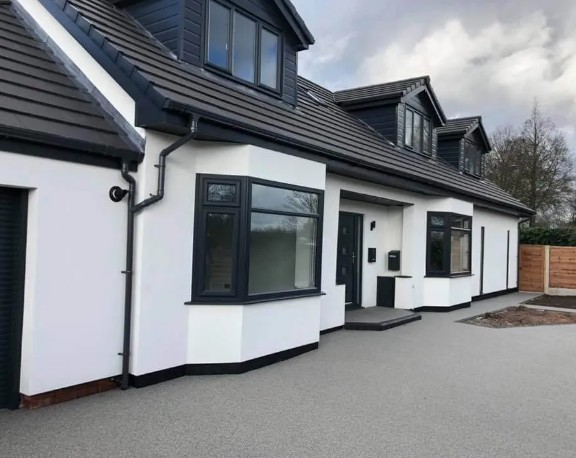
The seaward elevations take salt and driven rain off a coast three and a half kilometres away, on the south west face the weather arrives on, and they go long before the rest. A cracked panel over a sound background is cut back, given a scratch coat and matched in. A whole elevation that has gone hollow comes off and goes back on a mesh reinforced basecoat under a silicone thin coat topcoat, or a K render or monocouche where you want a through colour and no repainting, with a bell cast bead at the base. Sand and cement over an old solid wall is the one specification we argue with.
How it runs
From your call to a written price
Same team from the first visit to the last coat, one person to ring, and the quote itemised: preparation, hacking off, the backing coat, boards and beads, the skim and the making good on separate lines. Inside, plastering needs no permission unless the building is listed, and there are a fair number of listed buildings at this end of the Island, Weston Manor and Farringford among them. On those the plaster itself is protected, so removing original lime or a lath ceiling is a consent question first; Other permissions you may need sets out which permission applies, and the Isle of Wight Council is the authority you would apply to. Renewing render already on the building is maintenance, with the exceptions in Planning Portal guidance on external walls.
Cost
What decides the price of a plastering job
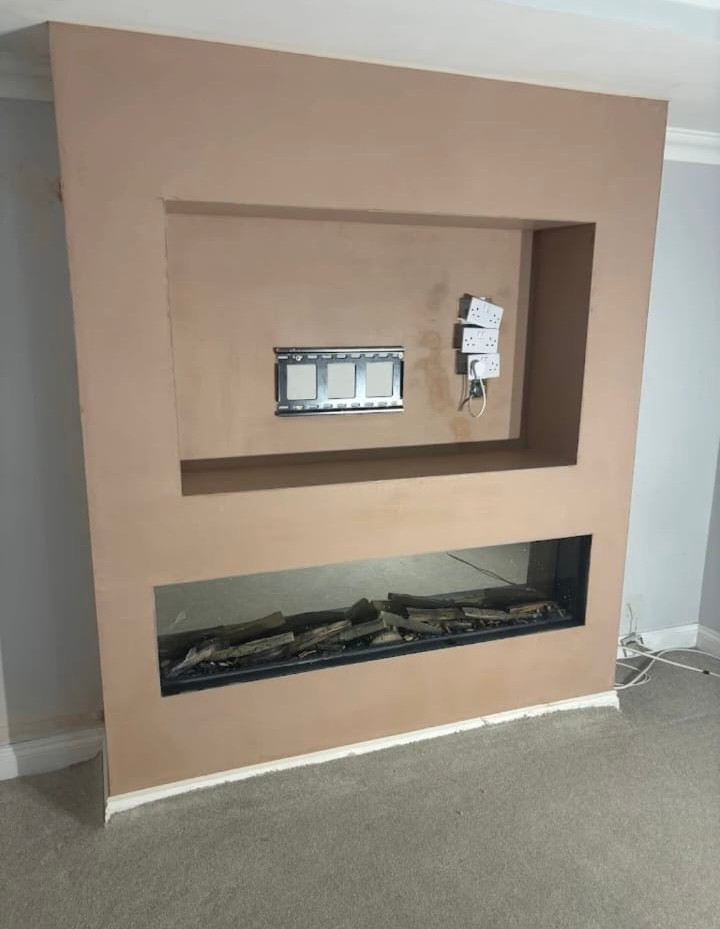
No rate per square metre. A Victorian villa split into flats where everything goes up a shared stair, a bungalow with the rooms already cleared, and a rendered elevation facing the water that needs a scaffold before anyone touches it are three different jobs before a bag is mixed. A skim costs a fraction of a wall hacked off and rebuilt in a backing coat and a finish. Lime adds the waiting between coats to both. Render carries the platform on its own line, because this is work at height and work at height rules decide it. Ask whether the basecoat has mesh in it.
If it has come down
A ceiling that has blown or come down
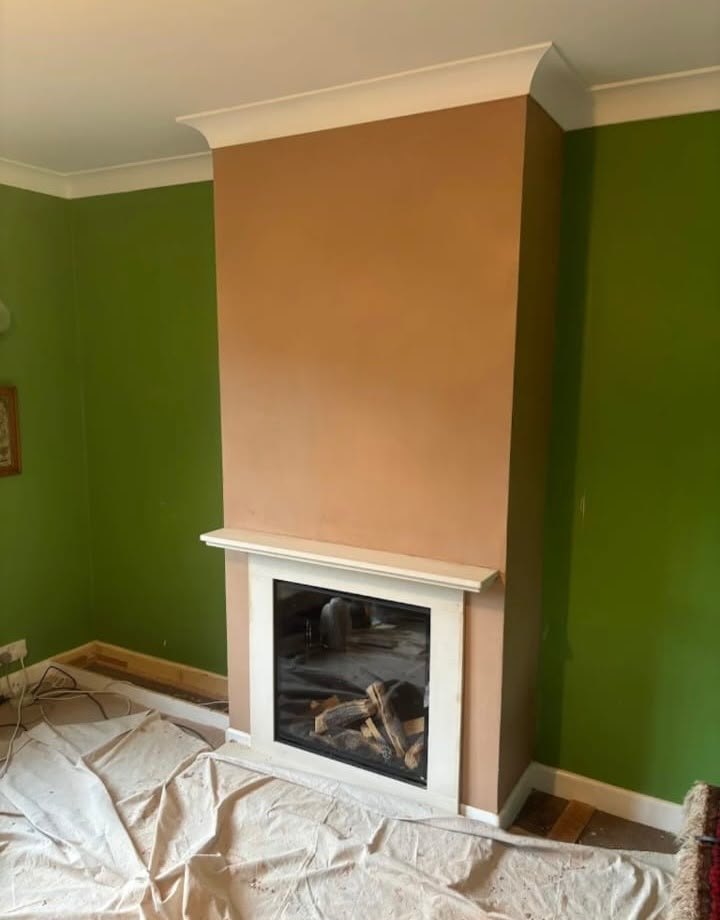
Ring rather than use the form. If a ceiling is sagging, keep everybody out of that room; if a wall has gone soft, the water has to be stopped before a plasterer is any use. We work this end of the Island in blocks of days because of the crossing, so we will not pretend a make-safe visit is same day. The phone is answered 24 hours for emergencies; scheduled work runs Monday to Friday, 8am to 6pm.
Worth knowing
How to tell lath and plaster from board, and why it matters
It is the first thing worth establishing in a house of this age, and you can do most of it yourself. Tap the ceiling: lath and plaster sounds dull and solid, plasterboard sounds hollow and even. Shine a light along the surface from the side and old lath often shows faint parallel lines where the plaster has sagged between the timbers.
Push gently at a crack. If bits come away as dusty grey lumps with hair in them rather than white powder, it is the original. A house here that has never been touched will usually have lath in the ceilings and lime on the walls, even where somebody has painted over the lot.
Why it matters is that it changes the choice you are being asked to make. Repairing in lime keeps the ceiling and the wall doing what they were built to do, and on a listed building or a house you care about it is the right answer, but it is slower and the coats need time.
Taking the ceiling down and re-boarding is quicker, cheaper and gives you a dead flat finish, at the cost of the original. Both are legitimate. What is not legitimate is a hard gypsum skim laid straight over lime on a solid wall to save an afternoon, because the wall will still be trying to dry through it and it will blow again. If a quote does not say which of the two you are getting, ask.
Who you are dealing with
A local firm you can check
We cover Freshwater, Freshwater Bay, Totland, Colwell, Norton and Yarmouth at the west end of the Island, across PO40 and PO41. Bournemouth Roofing & Building Ltd, registered in England and Wales, company number 15471719, which you can look up in a minute. Thomas Hannen's business, and he is the one who comes out to price the job, not a salesman. A verified customer's 10 out of 10 on Checkatrade. The visit and the written quote are both free.
Questions
Freshwater and Totland questions we get asked
How do you plan an Island job around the ferry?
In longer runs than a mainland job. Freshwater and Totland sit 15.7 miles from the yard but everything crosses on the boat, so materials go over in one load and the work is booked in blocks rather than odd half days. We would rather start a room and finish it than come back three times. Thomas crosses to look at the job and write the quote before anything is booked in.
Will a gypsum skim hold on a pre-1900 cottage wall?
Not for long if the wall is still damp. Pre-1900 building is the single largest group here at 24.5%, and 27.5% of the stock predates 1919, meaning solid walls with no cavity that have to let moisture out through their surface. Seal that with a hard gypsum finish and the water finds the weakest point behind it, then the skim comes off in sheets. Lime lets the wall breathe instead.
The wall facing the sea keeps blistering. What system suits it?
A mesh reinforced silicone render, not a rigid sand and cement one. The exposed elevation here looks south west and you are 3.4km from open water, so that face takes repeated wetting and drying right through the winter. Sand and cement is brittle, and once it has cracked the water gets behind it and pushes the panel off the wall. A flexible system on mesh moves with the background and sheds rain.
Almost a third of homes here are bungalows. Does that matter?
It matters more outside than in. Bungalows are 29.4% of dwellings across Freshwater and Totland, and a single storey elevation can often be reached off a tower rather than a full run of scaffold, which keeps external work simpler. It also means the render meets the ground sooner, so the bottom of the wall and the bell cast bead take more splash than they would on a two storey house.
Does being listed change what we can do inside?
Listing does, because it covers the whole building and not just the front of it. There are 29 listed entries across Freshwater and Totland, Weston Manor and the Farringford Hotel among them, and on a listed house pulling down an old lath ceiling or hacking off original lime is work that needs consent from the Isle of Wight council first. Unlisted houses here have no conservation area to work round either.
Nearby, and next door
Plastering and rendering near Freshwater and Totland
Plastering and rendering nearby
Our other trades in Freshwater and Totland
Everything we do in Lymington Plastering and rendering, all areas Every area we cover
Free quote
Get a price for your Freshwater plastering
Tell us the address and what you have noticed. We will come out, tap it over and put an itemised price in writing. No charge, and no obligation.