Insulation in Brockenhurst
Loft insulation, rafter level work in converted roofs, solid wall linings and floor insulation around Brockenhurst. We look in every void before we price anything.
The site visit is free and so is the written itemised quote. Thomas Hannen prices every job himself.
Older Brockenhurst houses are rarely cold for one reason. A thin loft, a roof space nobody has been into for thirty years, a sloping ceiling with nothing in it and a draughty floor void usually turn up together, so the useful thing is finding out which of them is costing you most before you spend anything.
People ring us when a room under the roof stays cold whatever the heating does, when the loft has started to feel damp or smell of it, or when they have bought a house here and want to know what the roof space is actually like before the first winter.
Big detached houses in this village often have three or four separate roof voids at different levels, and at least one of them normally has nothing in it at all. We get into all of them, take photographs of what is there, and price the work in the order that does the most good.
The work
There is usually a void you have not found yet
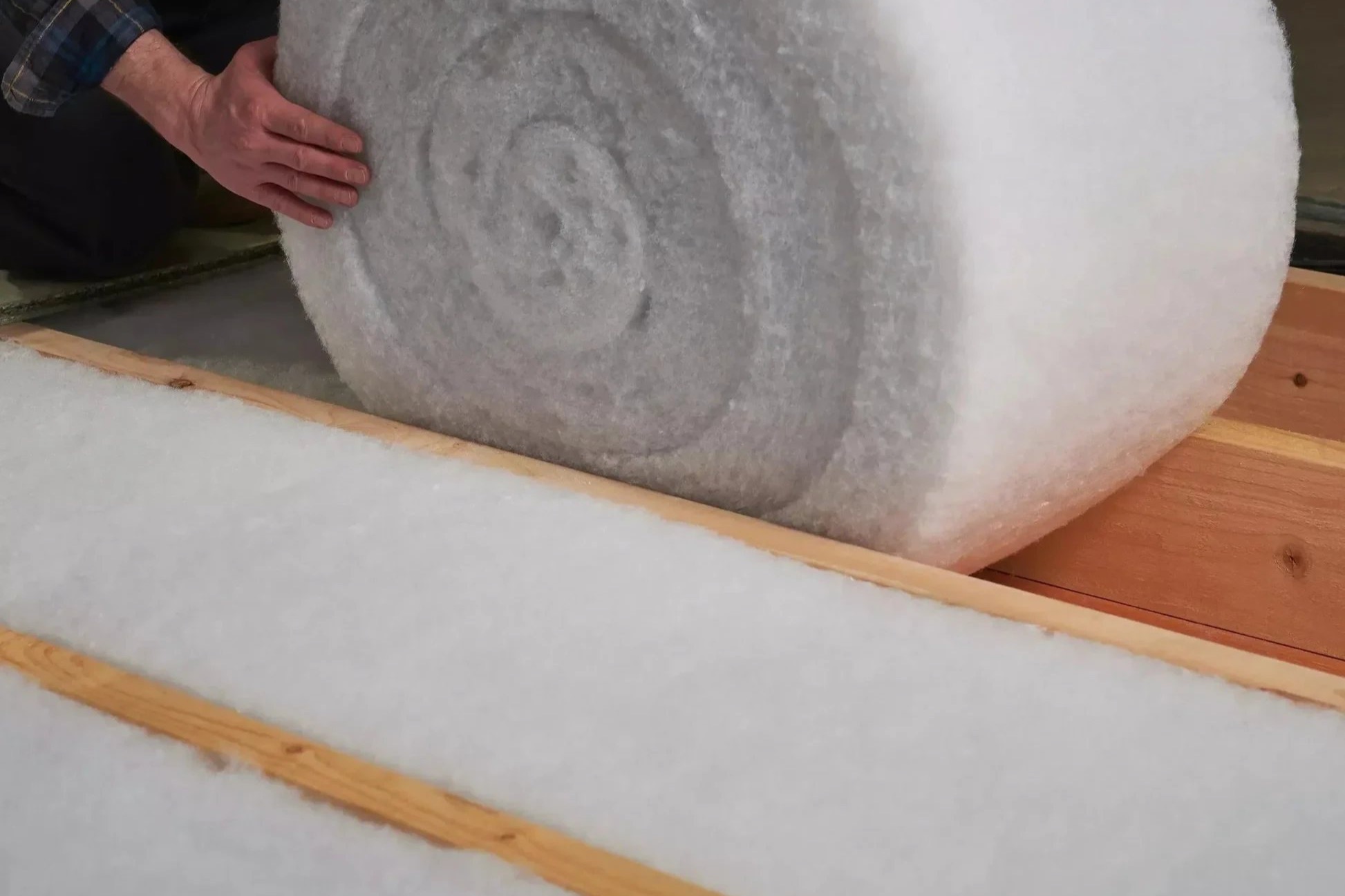
Loft insulation, and the lofts nobody has found yet. A quarter of the housing in Brockenhurst predates 1919 and the peak of the stock is pre-1900, so these are houses that have been added to over a very long time. The result is roof voids at different levels: the main loft, a lower one over a back addition, a flat area over a bay or a porch, and sometimes a void behind a knee wall reached through a hatch in a wardrobe. Insulating the main loft to 270mm of ordinary eco roll and leaving the rest bare is why a lot of these houses still feel cold afterwards. We open everything that can be opened, lay in two layers with the second across the joists, so no timber is left as a straight line of heat loss, and where a void has no access at all we tell you what it would take to make one. An even 250mm carried right out to the wall plate is worth more than a deeper heap in the middle.
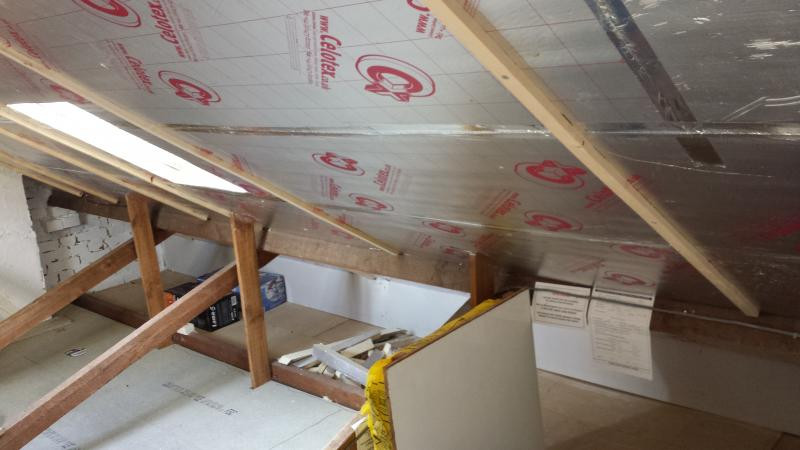
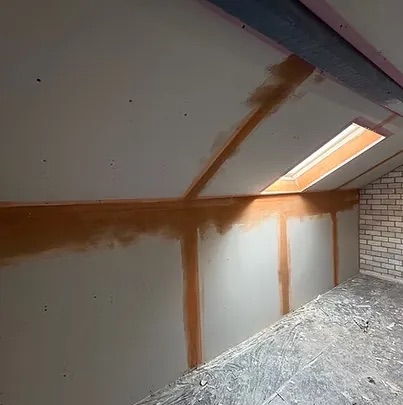
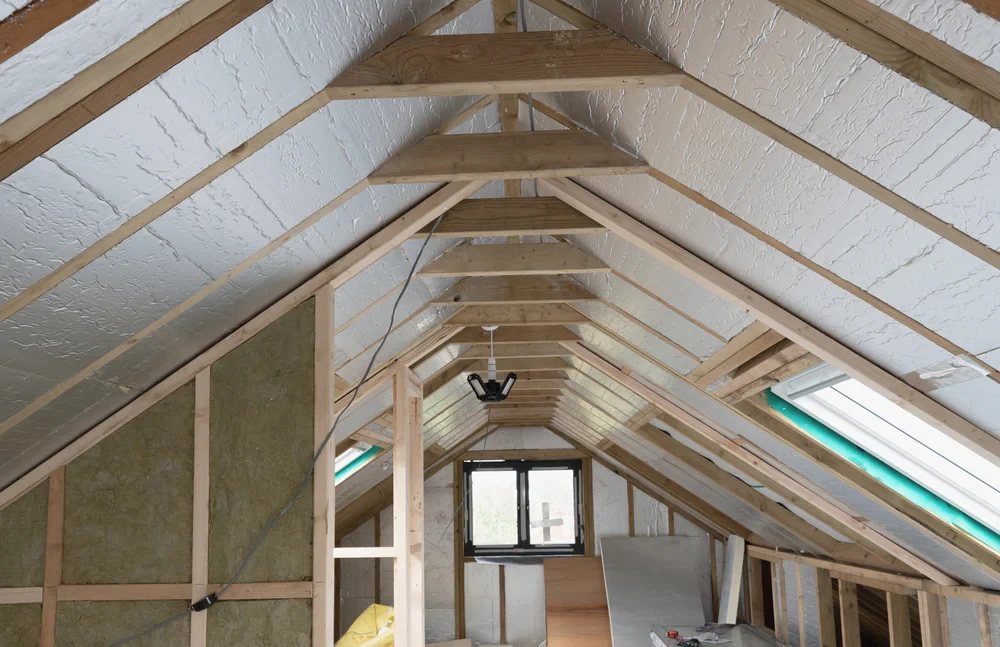
Rooms in the roof, dormers and knee walls. Where the roof space is living space the insulation belongs at rafter level, not on a floor: rigid PIR board cut between the rafters with a clear ventilation gap above it, a layer under the rafters so the timber is not a cold bridge, and the little triangular voids behind the knee walls treated as well, because those are usually open to the eaves and blowing cold air into the back of the plasterboard. Where a sloping ceiling has no depth to spare, a foil faced multi-layer quilt such as TLX is the compromise and it will not reach the 0.16 u-value that rigid boards will.
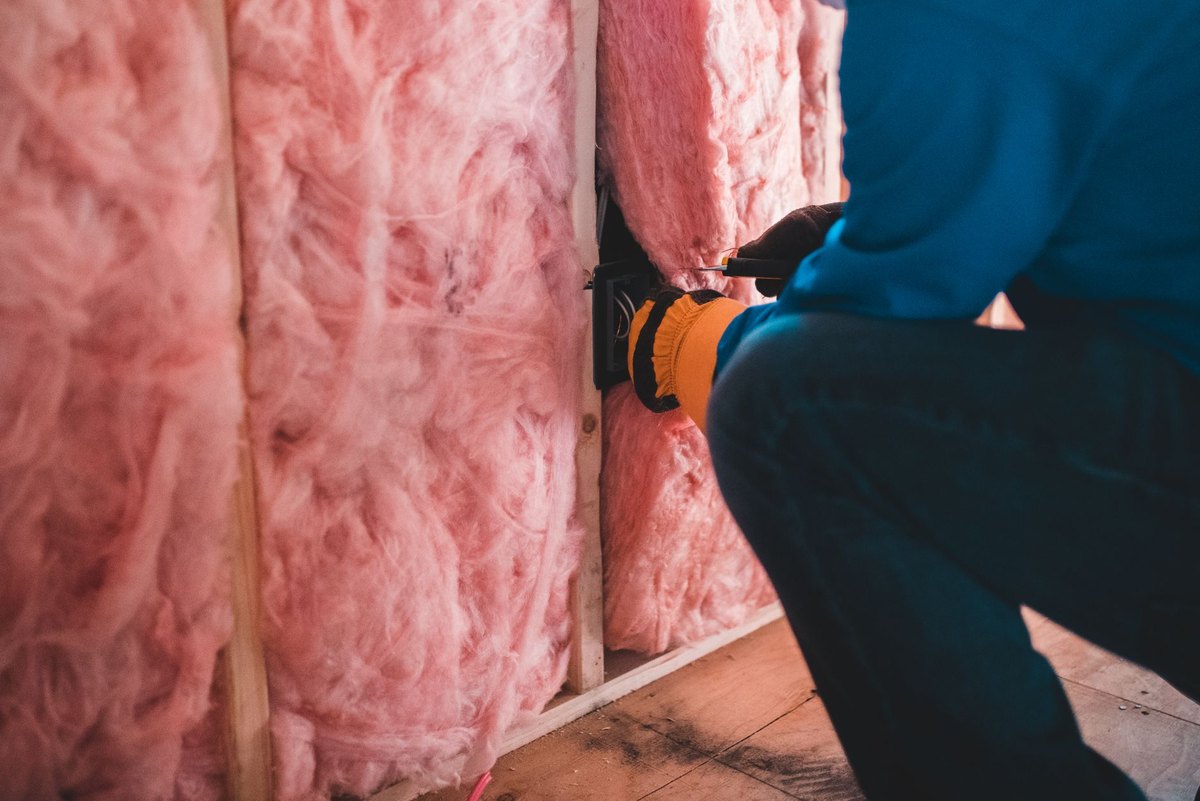
A good number of the ceilings we work over are lath and plaster, so we work off crawl boards and keep weight off them. Old roofs here are often felted with bitumen rather than a breathable membrane, or have no underlay at all under the tiles, and that decides how much ventilation the work has to preserve. Insulating hard against the underside of a roof that cannot breathe is how you get damp rafters, so we would rather lose a little depth and keep the air path. The pre-1919 houses have solid walls with nothing to fill, so the choice is an internal lining with the vapour control thought through, or external wall insulation, which changes the look of the building and is a planning question here before it is a building one. Newer houses have cavities, and those get a borescope check first so nobody fills a cavity that already has slumped material in it. Suspended timber ground floors are common in the village and are worth insulating between the joists, provided the air bricks keeping the void ventilated are left clear. With the Lymington River as close as it is to the older part of the village, blocking those bricks to stop a draught is how you get rot in the joist ends.
Then the small work that finishes it: an insulated, draughtstripped hatch, tank and pipework lagging once the loft above them has gone cold, fire rated covers over downlighters, vent trays at the eaves, and raised loft legs where you want storage without squashing everything flat.
How it runs
From your call to a written price
One person to ring, the same team throughout, and the quote itemised: survey, clearing, material and depth, ventilation works and disposal on separate lines.
Insulating a loft, a floor or a cavity is maintenance rather than development, so there is no application and nothing for building control to sign off, and the Planning Portal sets out where that stops. Brockenhurst has its own conservation area and sits inside the National Park, which changes nothing about a loft top-up because none of it is visible, but it does bear on external wall insulation and on anything that alters the look of the roof, and the National Park Authority sets out what needs consent.
Cost
What decides the price of an insulation job
A house with one hatch on the landing and a clear loft, a rambling place with three roof voids and a hatch inside a wardrobe, and a converted attic where everything happens at rafter level are three different jobs before a roll is opened. Old material to bag and take away, storage to shift and put back, eaves kept clear and depth worked into the corners all sit ahead of the material, and Approved Document L sets what it has to reach. Comparing quotes, ask what depth is going down, whether the old material is removed or covered, and whether the hatch and pipework are in.
If it is urgent
Damp, condensation or a room you cannot heat
Ring rather than use the form. A loft dripping with condensation, mould coming back faster than you can wash it off, or a room that will not hold heat gets looked at quickly. Insulating a roof space that cannot breathe makes it worse, so the first visit settles which of the two you have. Brockenhurst is around fifteen miles out, so you get a day rather than a vague week.
Worth knowing
Near the river, the ground floor needs different thinking
The Lymington River runs through the village and parts of Brockenhurst sit in the higher flood zones, so it is worth taking a minute to check your own address on the government flood map before you spend money at floor level.
If your house is one of the ones with water in its history, it does not change the loft at all, and the loft is still where the biggest saving is. What it changes is everything below the skirting board. Soft mineral wool slung between suspended floor joists behaves like a sponge: it holds water, sags out of contact with the boards and stays wet long after the room looks dry, and it takes the joists down with it.
On those properties we would use closed cell rigid board cut between the joists and supported on battens instead, so a bay can be lifted, dried and put back rather than the whole floor being stripped out. The air bricks and the subfloor vents stay clear, always, because a void that cannot dry is a rot problem whether or not it ever floods.
The same thinking applies to internal wall linings on a ground floor that has been wet before: a sealed, impermeable backing traps moisture in the wall behind it. None of this applies to the rest of the village, and if your address is well clear of the water then the ordinary order of work stands, loft first and everything else after.
Who you are dealing with
A local firm you can check
We cover Brockenhurst, Boldre, Sway, Lyndhurst, Beaulieu and the villages down towards Lymington, and most of SO42. Bournemouth Roofing & Building Ltd, registered in England and Wales, company number 15471719, which you can look up in a minute. Thomas Hannen's business, and he is the one who comes out to price the job, not a salesman. A verified customer's 10 out of 10 on Checkatrade. The visit and the written quote are both free.
Questions
Brockenhurst questions we get asked
We are in the Brockenhurst conservation area. Any consent needed?
Not for work inside the roof. The Brockenhurst conservation area controls how the building looks from outside, so laying quilt over the ceiling joists is maintenance and nobody needs to see it. The moment the job changes the outside, insulating over the rafters and lifting the tile line, or fitting rooflights, the National Park authority does have a view. We say which of those two your job is before you commit.
Our cottage predates 1900. Does that change the material?
It changes what we will not use. Nearly a quarter of Brockenhurst stock predates 1919 and the peak here is pre-1900, which means solid walls and roofs built to let moisture move through them. Sealing that fabric with a foil faced board tight against old lath or timber traps water where you cannot see it. Sheep wool or mineral quilt laid loose, with the eaves left clear, works with the building rather than against it.
The Lymington River is close. Does that affect us?
For a loft, no. For anything at ground level it does. Parts of Brockenhurst sit in flood zones 2 and 3 with the Lymington River running through, so we do not put insulation into a floor void or a garage ceiling that has been wet before without looking at how the water got there. Insulation that has been soaked once loses its thickness and holds the damp against the timber.
Why is the south west side of the house colder?
Because that is the side taking the weather. The most exposed elevation in Brockenhurst faces south west, so wind driven rain soaks that wall repeatedly and a wet wall conducts heat out faster than a dry one. Insulating the loft will not fix it. What helps is clearing the gutter and verge on that side first, then dealing with the wall, and we say so rather than selling you quilt.
We want a loft conversion. Does nutrient neutrality apply?
It can, because Brockenhurst sits in the Solent nutrient catchment and that engages when a scheme adds overnight accommodation. A bedroom in the roof counts. Insulating the roof you already have does not, and neither does a re-roof. If you are converting, expect the National Park to want the nutrient position settled as part of the application, and get that started before you book any building work.
Nearby, and next door
Insulation near Brockenhurst
Insulation nearby
Our other trades in Brockenhurst
Everything we do in Lymington Insulation, all areas Every area we cover
Free quote
Get a price for insulating your Brockenhurst home
Tell us the address and which rooms never warm up. We will get into the roof spaces, photograph what is there, and put an itemised price in writing. No charge either way.