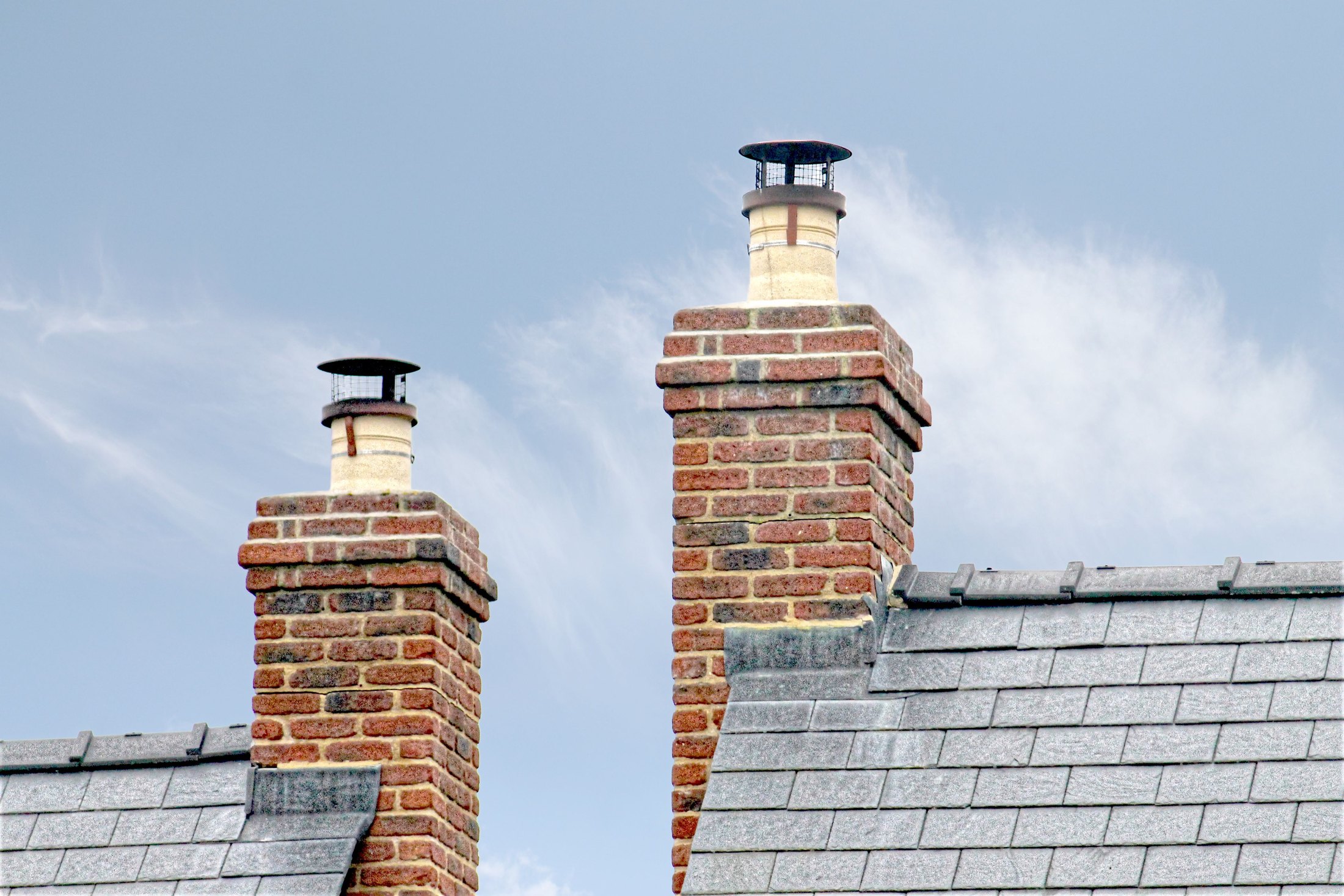
Builders in Lymington
From Georgian fronts near the High Street to post-war semis and bungalows in Pennington: extensions, roofs, brick and lime work, plaster, drives and kitchens, priced in writing.
The site visit is free and so is the written itemised quote. Thomas Hannen prices every job himself.
Last updated
We are builders covering Lymington, Pennington and Buckland. Extensions, roofs, brick and lime work, plaster and render, drives, insulation and kitchens all go on one free written quote, priced stage by stage by Thomas Hannen after a free visit.
Lymington has two kinds of house, and they need different builders' habits. Around the High Street and down towards the Quay are old brick and rendered fronts built in lime, many of them listed and much of the area inside the conservation area. Out in Pennington, Buckland and the roads in between, most homes went up after the war: semis, detached houses and plenty of bungalows.
So the work varies. A front wall in the old town has been repointed in hard cement and the bricks are starting to crumble. A post-war semi needs a bigger kitchen and the garden has room to take it. A bungalow's flat-roofed addition leaks every winter. A house near the river needs work, and you want to know whether the floor level matters. Whichever it is, the first step is the same: someone looks at the whole job and tells you what it involves, in what order, and for how much.
The work
Building work on Lymington's houses, old and new
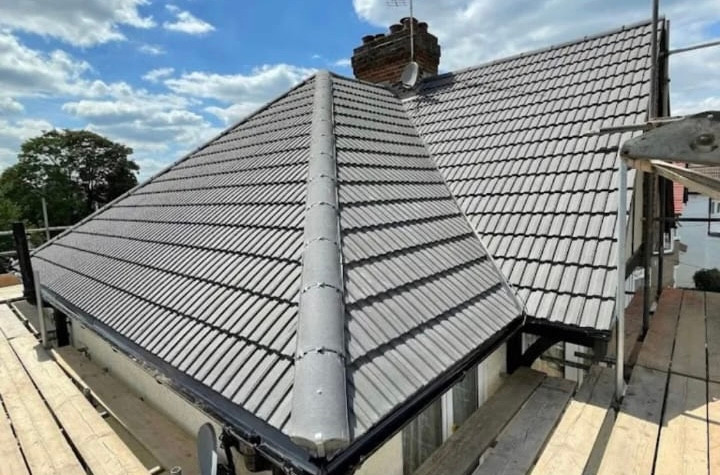
Each trade has its own page. Here is how it plays out on the town's two kinds of house.
Roofing
In the old centre, roofs are natural slate and clay tile, with lead at the chimneys, valleys and parapets. On the post-war roads it is concrete tile, with felt or newer flat roofs over garages, porches and back additions. We repair and re-roof both, fit dry ridges and verges, renew fascias, soffits and gutters, and re-cover flat roofs in EPDM, GRP or felt. In the conservation area, swapping slate or clay for concrete changes the look and can need permission, so price natural material from the start. See roofing in Lymington, roof repairs, flat roofing and fascias and guttering.
Walls, brick and stone
Garden and boundary walls, rebuilt piers, brick matching, stonework, wall-tie replacement and repointing. The old town's soft bricks were laid in lime, which lets the wall dry out through the joints. Cement pointing traps that water in the brick, and frost then breaks the face away. On those walls we rake out and repoint in lime. Post-war houses went up in cement mortar, and cement is what they are repointed in. On clay ground that shrinks and swells, a crack that widens each dry summer is a ground problem first, so find the cause before paying for a rebuild. See brickwork in Lymington and repointing.
Plaster, inside and out
Walls and ceilings skimmed, artex covered over, dry lining, and lime plaster for solid walls that have to breathe. Gypsum on an old damp wall tends to blister and fall away, so lime is the better repair there. Outside, sand and cement render, monocouche, silicone, and pebbledash patched to match. If a render sounds hollow when you tap it, it has come away from the wall, and filling the crack will not hold. See plastering in Lymington and rendering.
Extensions on post-war houses and bungalows
We build the extension itself: footings, walls in brick or block, a steel above the new opening, then the roof, insulation and plaster. You arrange the drawings, the engineer's sums and the building control application, or the quote names who does them. Building control agrees the footing depth once the trench is open, and on this clay, near trees, it can go well past what was drawn. That is why the foundation should appear as a provisional sum. Read more about house extensions.
Drives and patios on clay
We lay block paving, resin bound and tarmac, put right drives that have sunk or hold puddles, sort the drainage and lay porcelain patios. Paving more than a small part of a front garden in a hard surface needs planning permission unless the water soaks in or runs onto your own garden. Clay drains slowly, so a soakaway has to be tested before anyone relies on it. See driveways in Lymington, block paving, resin and patios.
Insulating older and newer houses
Loft insulation, cavity fill, internal wall insulation, room-in-roof and warm roofs. The old town's solid walls have no cavity, and insulating them from inside has to let moisture out, or damp collects behind the boards. A post-war cavity wall is usually a simpler job. A re-roof is the cheapest moment to insulate the roof, while it is open. See insulation in Lymington, loft insulation and wall insulation.
Kitchen fitting
The old kitchen removed, walls and floor made good, then units, worktops, sink and appliances in, including units you have bought yourself. Gas and electrics are outside what we do: a Gas Safe registered engineer makes the gas connection and a registered electrician adds any circuit. See kitchen fitting.
For businesses, we also take on commercial roofing and plastering.
Choosing
Choosing a builder in Lymington: a short checklist
Search results for builders in Lymington are mostly directory listings and one-line profiles. Here is how to tell whether a builder fits your job. Ask us the same things.
- Find the business on Companies House and check three things: that it is active, that its registered name matches the quote, and who its directors are. Ours is company number 15471719.
- Insist on an itemised written quote. Citizens Advice recommends written quotes, and a single figure with no breakdown is impossible to compare.
- Ask which people will turn up each morning, and whose phone you ring with a question.
- Ask to see similar finished jobs. Read reviews where the builder cannot curate them, on Google or Checkatrade.
- On an older house, ask how they would repoint or plaster it, and listen for the word lime.
- Get it in writing who applies for building control and who serves any Party Wall notice.
- Find out whether you need planning permission, or listed building consent, before you agree a start date.
- Pay in stages as work is completed, and be wary of a large payment before anything happens. Signing at home normally gives you a right to cancel; Citizens Advice sets it out.
Price
Day rate or fixed price: how builders charge
A builder will price your job in one of two ways. A day rate charges for each day on site, with materials added. That is fair for work that cannot be sized until it is uncovered, such as tracing damp in an old wall. A fixed price covers a job that can be described in full, which is most building work, and you know the total before it starts.
So an hourly rate is a poor guide to what you will pay. The cost is driven by access and scaffold, how much comes out and has to be taken away, the materials you pick, how much repair and making good follows, and what is found behind old plaster or under a floor. On a listed or older house, matching materials such as lime, natural slate or reclaimed brick cost more than modern ones. Look for a quote that splits the job into stages, shows a provisional sum for anything not yet measurable, and lists what it leaves out.
Questions to put to any other quote you get:
- How long is the scaffold priced for?
- Are skips and waste removal included?
- Which items are provisional, and how will they be settled?
- What is excluded, such as making good, decoration or fees?
- Who is responsible for drawings, calculations and building control?
Read more on how we price a job.
How we work
How we run a job in Lymington
- Thomas Hannen visits, looks over the work and prices every job himself. He is the one person you ring throughout.
- You pay nothing for the visit, and the written itemised quote is free too, which shows each stage and any provisional sum.
- If opening up finds decayed timber or loose brickwork, work on that part halts. You get a photo and a price, and we carry on only once you agree.
- The scaffold is up on the day we agreed, and no roof or wall is left open to the weather overnight.
- Dust sheets go down, the site is swept every day, and we take our waste with us.
Where several trades are involved, the quote lists them in the sequence they will happen. Lymington is towards the far side of our area, so we fix a time for the visit rather than calling in on the off chance.
Water coming through a ceiling? Call 07435 839745. Scheduled work runs Monday to Friday, 8am to 6pm, and if we miss you we call back.
Permission
Permission in Lymington: council, conservation area, Park and river
Lymington, Pennington and Buckland are in New Forest District Council's planning area. Across the river, Walhampton is inside the New Forest National Park, so the National Park Authority decides applications there, under tighter rules on extensions. If you are on the edge of town, check the address on the Park's property map.
The historic centre, including the High Street and the Quay, is the Lymington conservation area. Inside it, permitted development is narrower than elsewhere: rendering or cladding a wall, a side extension and a rear extension of more than one storey all need an application. Felling or lopping most trees in a conservation area needs six weeks' notice to the council, which matters if one stands where an extension would go.
The town has a large number of listed buildings, the Parish Church of St Thomas the Apostle on the High Street among them. If your house is listed, listed building consent covers work inside as well as out, including replacing old lime plaster, and work without consent is an offence.
Some low land beside the river and the marinas is in the higher-risk flood zones. If an extension there needs planning permission, the application comes with a flood risk assessment, and the floor level and choice of materials become part of the design. Check the flood risk for the address before drawings are done.
Building regulations apply in every case. An extension needs building control approval, from the council or a registered approver, and re-covering a large part of a roof can bring in Part L insulation. Work on a shared wall, or digging close to a neighbour's foundations, needs notice under the Party Wall Act.
You can ask for a quote before any of this is settled. At the visit we tell you which rules apply to your house and who deals with each. See how planning, building regulations and listed building consent compare.
Reviews
Two customers, two jobs
Quoted exactly from Google and Checkatrade: a brick arch repair, and a resin drive with a patio and decking.
Great service from Bournemouth Roofing & Building on an arch and brickwork repair.
Great customer service throughout and they did an excellent job.
Would thoroughly recommend.
Bournemouth Roofing and Building completed a beautiful resin driveway, patio, and decking area for us. … I would highly recommend Bournemouth Roofing and Building to anyone looking for a reliable and professional company.
Questions
Lymington building questions, answered
How do I find a good builder in Lymington?
See that the company is active on Companies House, compare itemised written quotes for identical work, find out who will be on site, look at similar finished jobs and independent reviews, and on an older house ask how they would use lime. Agree in writing who handles building control.
Should I hire a builder or a building contractor?
They are the same job under two names. For work on a house, look at the company on the quote, who will be on site, and who you deal with day to day. Ours is Bournemouth Roofing & Building Ltd, and Thomas Hannen is the person you ring.
How much do builders charge per hour in Lymington?
Our prices are not hourly. The whole job is priced after a free visit, on a written quote with each stage itemised, so you can set it beside anyone else's, line by line.
My house is in the Lymington conservation area. What can I do without permission?
Repairs and like-for-like replacement are normally fine. Rendering or cladding, side extensions, and extensions of more than one storey need an application to New Forest District Council, and changing the roof material can too. If the house is listed, check before any work at all.
Do you work with lime on older houses?
Yes. We repoint in lime and plaster in lime where the wall was built for it, and we use cement where the house was built in cement.
Who handles planning if I live across the river in Walhampton?
Walhampton is inside the New Forest National Park, so the National Park Authority decides applications there, not the district council. Its property map confirms which side of the boundary an address is.
Nearby, and next door
Our trades in Lymington, and other towns
- Recent projects: photos of jobs we have done
- How we price a job: what goes on the written quote
- What a roofing quote should include: a line-by-line guide
Our trades in Lymington
Builders in other towns
Around Lymington
Roofing and everything else in Lymington Every area we cover Request a free quote

Free quote
Tell us about your house
Send photos or book a visit. Say if the house is listed, in the conservation area or near the river, and Thomas will price the job with that in mind.