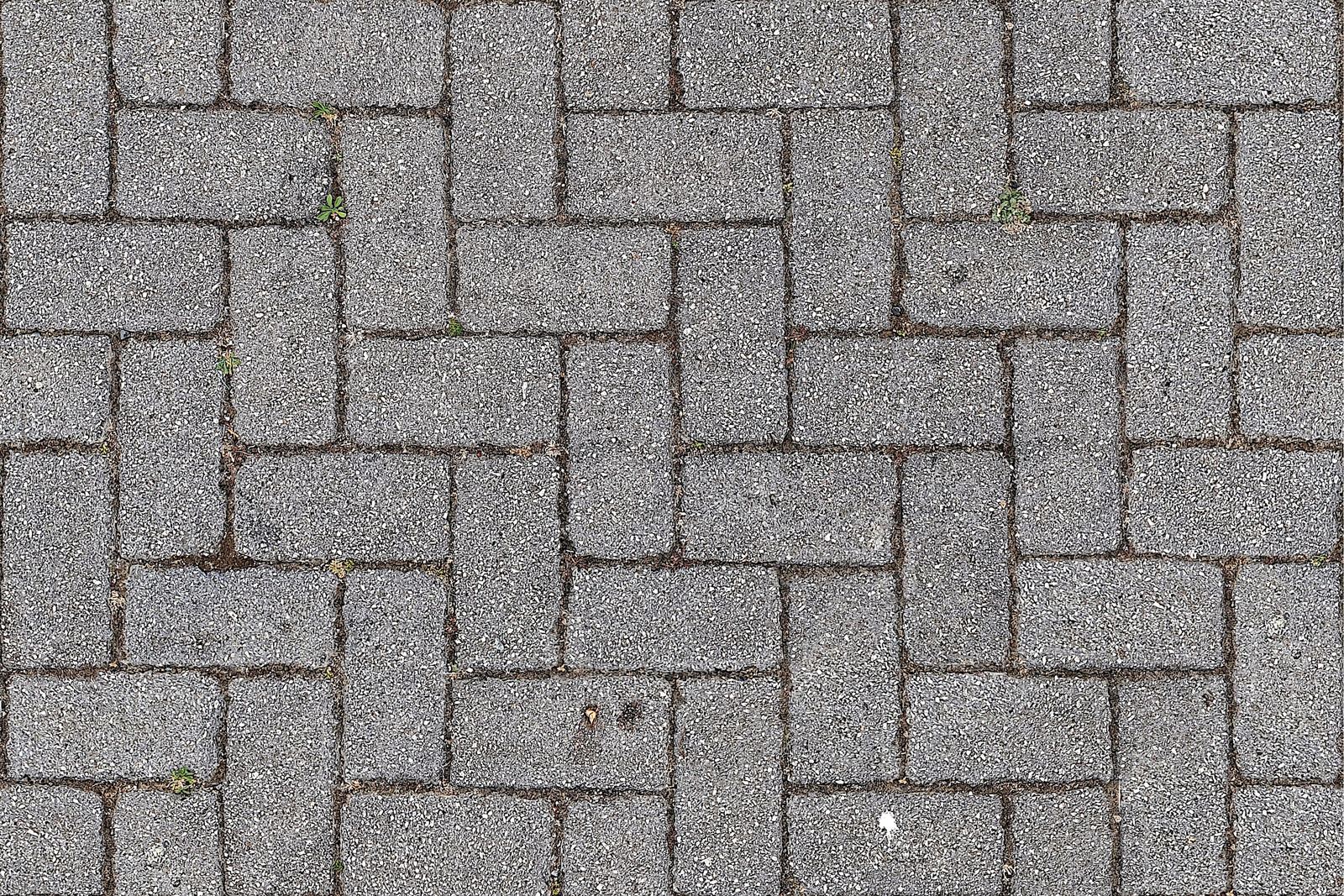
Sealing block paving: is it worth doing?
A sealer holds the joint sand and slows stains. It cannot fix a drive that is moving, and sealed too soon it makes things worse.
Sealing block paving is worth it for two jobs: holding jointing sand in place on a drive that keeps losing it, and slowing stains. It does nothing for blocks that sink or rock. Leave new paving unsealed until any white efflorescence has stopped coming back, and do not seal permeable block paving with anything that binds or bridges its joints.
The short version
- Full joints matter more than any sealer. Brush kiln dried sand into empty joints first; on plenty of drives that is the whole job and you can do it yourself.
- A sealer binds the top of the joint sand and slows oil and dirt soaking into the block. It wears off, so it is a recurring job, not a one-off.
- Grip in the rain comes largely from the fine texture of the block, and Brett warns that sealing may affect slip resistance. Ask for a matt or natural finish on a sloping drive or a path.
- Do not seal new paving while white efflorescence is still coming through. Sealing over it can trap the salt under the film.
- Permeable block paving drains through its joints. Do not fill them with sand, and do not use anything that binds or blocks them, or the drive may stop doing the job the planning rules relied on.
What a sealer does
What sealing block paving actually does
A block paving sealer does two useful things. It binds the top few millimetres of the jointing sand so rain, wind and brushing take less of it out, and it fills the surface pores of the block so spills sit on top for longer instead of soaking straight in.
The joint sand is the part that matters. A block drive holds together because the sand packed between the blocks locks them against each other. Brett, a paving manufacturer, says in its maintenance guide for its concrete paving that water running over and through the joints of a newly laid drive may wash some of the sand away, and that lost sand should be refilled during the first 12 months “to maintain the structural integrity of the installation”. It also says vacuum or water-blasting equipment may remove large amounts of jointing sand. A drive that is jet washed every spring can lose much of its joint sand every spring, and that is where a sealer earns its place: it keeps the sand in after the drive has been cleaned and re-sanded.
On stains, a sealer buys time rather than immunity. Oil left on a sealed block will still mark it, but it soaks in more slowly, so a prompt clean-up is more likely to get it out.
Weeds in a block drive mostly grow from seed landing in the top of the joint, and a bound joint gives that seed less to root into while the sealer lasts.
What a sealer does not do
What sealing will not fix
A sealer is a surface treatment, and most of the problems people hope it will cure are below the surface.
- Sinking, ruts and puddles. A dip in the wheel tracks or a puddle that returns to the same place is a sub-base or drainage fault. Sealing the top will not hold it up. Our guide to a sunken or ponding driveway explains how to tell which it is.
- Rocking or spreading blocks. Blocks that move underfoot, or an edge that is creeping outwards, usually mean the edge restraint or the bedding has gone. That is a lift and relay job, and sealing over it only glues loose sand to loose blocks.
- Faded colour, for good. A wet-look sealer darkens the block while it lasts. As it wears the colour goes back, and rarely evenly: the wheel tracks go first.
- Frost damage. Spalled or flaking blocks are damaged blocks. Replace them. Our post on frost damage to brickwork and paving covers why it shows up after the thaw.
If the drive is sound, the joints are full and nothing is staining it, leave it alone. BS 7533-102:2025, the British Standard code of practice for laying modular paving, covers laying, reinstating and cleaning. A block drive on a sound base with full joints holds together by interlock, not by a sealer.
Re-sanding
Re-sand before you seal, and maybe instead of sealing
Re-sanding is the cheapest thing you can do for a block drive, and it is a job you can do yourself. Sealing over half-empty joints is a waste: the sealer binds whatever sand is there, the gaps stay gaps, and the blocks still move. Brett’s guide says the same in its section on sealers, that the paving should be thoroughly cleaned “and the joints are refilled” before sealing.
- Wait for a dry spell. Damp joints make the sand clump at the top.
- Scrape out weeds and moss from the joints with a joint scraper or an old knife.
- Tip kiln dried sand onto the surface and brush it diagonally across the joints with a soft broom, working it in until the joints stop taking it.
- Leave a thin layer on top for a few days to settle, then top up and sweep off the surplus.
Kiln dried sand is fine, dry and free-running, so it flows into narrow joints where damp building sand will not.
Sealing is worth considering at this point if the sand keeps disappearing: on a steep drive where rain runs down the joints, under a downpipe that discharges onto the paving, or on a drive that has been jet washed, though stopping the jet washing helps more: Brett warns against high-pressure washers on its paving. Otherwise a bag of sand and a broom once a year may be all the drive needs. Brett warns that stabilising liquids mixed into joint sand “may mark or damage the surface of the paving”, so test any product on a hidden corner first.
Timing
Why sealing new paving too soon traps efflorescence
Do not seal a new concrete block drive in its first months. Concrete blocks can grow a white bloom called efflorescence: salts from the cement carried to the surface by water and left behind as it dries. Brett’s guide calls it unpredictable but temporary, says it seldom takes more than 12 months to finish, and says that once the salt has come to the surface it “is commonly worn away through use or by weathering”.
Seal over it and that stops being true. Brett’s guide (ref EMG 04/11, which indicates 2011) recommends waiting 12 to 18 months before sealing, partly so that any problems with the installation have time to show, and warns that sealing before efflorescence has finished “may trap any salt build up under the sealer”. Once it is locked under the film, Brett says, it is extremely difficult to remove.
Other makers give their own waiting times, so check the guidance for your blocks, and wait until the bloom stops coming back after rain.
Efflorescence does not harm the blocks, and Brett suggests warm, soapy water if it bothers you.
Choosing a sealer
Solvent-based or water-based, and the wet-look question
The finish matters more than the type, because of grip. Both types usually come in matt, satin or gloss “wet look”.
| Option | What it does | How it looks | Grip when wet | Suits permeable paving? |
|---|---|---|---|---|
| Re-sand only | Restores the joints so the blocks lock together. | Unchanged. | Unchanged. | Only with the right joint grit, never with kiln dried sand. |
| Water-based sealer | Binds the joint sand and slows stains. Lower odour. | Usually the more natural finish. | Little change with a matt finish; a gloss finish reduces it. | Only if its maker says it suits permeable paving. |
| Solvent-based sealer | The same two jobs. Strong, flammable vapour. | Usually darker; the common wet-look choice. | A glossy film reduces it most. | Only if its maker says it suits permeable paving. |
Read the sealer’s data sheet for drying conditions, and reseal with the same product or one its maker says is compatible.
The wet look is where people get caught. The Health and Safety Executive’s guidance on assessing slip resistance says the roughness of a floor gives a good indication of how slippery it will be when wet, and that cleaning, burnishing or polishing can change slip resistance significantly. A gloss sealer fills that roughness with a smooth film. Brett’s guide warns that sealing may “affect the slip/skid properties of the paving”. On a sloping drive, a path, steps, or anywhere an older person walks in the rain, ask for a matt or anti-slip finish, or leave it unsealed.
Before you seal it yourself. Solvent sealers give off flammable vapour. Read the safety data sheet, keep flames away, and keep children and pets off until it has cured. Do not let sealer, cleaner or wash water run into a road gully or drain.
Permeable paving
If your drive is permeable block paving, be careful
Check what kind of block paving you have before you seal it, because the rules on a front drive may depend on it.
The Planning Portal says you do not need planning permission for a new or replacement driveway of any size that uses permeable surfacing such as permeable concrete block paving, but that covering more than five square metres with a traditional impermeable surface, without letting the water run to a permeable area, does need permission. Our guide to permeable and impermeable driveways and planning permission sets out the rule in full.
Permeable block paving drains through its joints. The current British Standard, BS 7533-103:2026, applies to paving units “bedded on and jointed with graded granular permeable aggregates or permeable mortar” over a permeable base. The joints are wider and filled with grit, not fine sand, and the water goes down through them. The government’s guidance on the permeable surfacing of front gardens lists what not to do, starting with putting “soil, sand or similar material on the driveway that will block the surface and stop water soaking in”.
That has two practical consequences. First, never re-sand permeable paving with kiln dried sand; top the joints up with the same grit they were laid with. Second, think hard before sealing it. A sealer designed to bind joint material together, or a film that bridges the joints, works against the very thing the drive is built to do. If you do want to seal a permeable drive, use only a product whose maker says in writing that it is for permeable paving, and ask what it does to the joints. If a drive that used to soak up rain starts to puddle after sealing, it may no longer be working the way the planning rules relied on.
Wider joints full of grit are the usual giveaway. Our block paving page explains how the two build-ups differ.
Upkeep
Cleaning first, and how often a sealer needs redoing
Sealing always starts with a clean drive, because whatever is on the surface gets locked under the film. Brett’s guide warns against de-icing salts, pool cleaning chemicals and high-pressure washers on its paving. Washing takes sand out of the joints, so the order is always clean, let it dry fully, re-sand, then seal. Our exterior cleaning page covers washing drives and patios in more detail.
No sealer is permanent, and nobody can give you an honest fixed interval. How long one lasts depends on the product, how many coats went on, how much traffic the drive takes and how much sun and shade it gets. Brett’s guide says only that “highly trafficked areas on driveways may require regular reapplication”. Look to the sealer’s own data sheet for its expected life, and watch for the wear: the wheel tracks lose their colour first and water stops beading. Then decide whether to reseal or let it wear off.
Once you seal, you are signing up for that cycle, and a film sealer cannot simply be washed off. If you are weighing a whole new surface rather than maintaining the one you have, our comparison of resin bound, block paving and tarmac sets out the upkeep each one needs.
What to do next
How to decide
- Check whether the drive is permeable before you buy any sand or sealer.
- Look for dips, rocking blocks and spreading edges. If you find them, the drive needs repair, not sealing.
- If it is new, leave it until the white bloom has stopped coming back.
- Re-sand empty joints with kiln dried sand, or the right grit on permeable paving.
- If the sand keeps washing out or stains are a real problem, seal it, with a matt finish anywhere people walk on a slope.
- Keep the sealer data sheet for when it is time to reseal.
Re-sanding and resealing are part of our driveways and patios work, alongside lifting and relaying blocks where the base has gone, and laying new patios. If you are not sure whether your drive needs sealing, re-sanding or repairs underneath, Thomas Hannen comes out to look at it himself, and you get a free written itemised quote. Sometimes the honest answer is a bag of kiln dried sand and a broom.
Questions
Common questions
Should I seal my block paving?
Only if you have a reason to. Sealing helps where jointing sand keeps washing out, for example after regular jet washing or on a steep drive, and where oil or dirt stains are a problem. If the joints are full and the drive is sound, re-sanding with kiln dried sand may be all it needs. Sealing will not fix sinking or rocking blocks.
How long should I wait before sealing new block paving?
Long enough for any efflorescence, the white salt bloom, to finish. One manufacturer, Brett, recommends 12 to 18 months and warns that sealing too early can trap the salt under the sealer. Other makers give their own figures, so check the guidance for your blocks, and top up the joint sand before sealing.
Does sealing block paving make it slippery?
It can. Grip on a wet surface comes largely from the fine roughness of the block, and Brett warns that sealing may affect slip resistance, most of all with a gloss or wet-look finish. On slopes, paths and steps, choose a matt or anti-slip finish, or leave the paving unsealed.
Can you seal permeable block paving?
Be careful. Permeable paving drains through grit-filled joints, and government guidance says not to put sand or similar material on it that will block the surface. Do not use kiln dried sand on it, and only use a sealer whose maker says it is for permeable paving. A drive that no longer drains sends its rain onto the road or next door, which is the run-off the permeable rule exists to prevent.
Do I need to re-sand block paving before sealing?
Yes. A sealer binds whatever sand is already in the joints, so empty joints stay empty. Clean the drive, let it dry fully, brush kiln dried sand into the joints until they are full, then seal.
Read next
Related advice
The guides below pick up where this one leaves off, and the driveways and patios page covers the work itself and the places we cover, if you would rather have the job looked at.
- Driveways: when you need planning permission, and where the water has to go
- A sunken or ponding driveway: base failure or drainage?
- Resin bound, block paving or tarmac: which driveway surface?
- Frost damage to brickwork and paving: why it shows up after the thaw
Driveways and patios, and where we cover All advice articles
Who wrote this
Thomas Hannen
Thomas owns Bournemouth Roofing & Building and prices every job himself instead of sending somebody else. The company is Bournemouth Roofing & Building Ltd, number 15471719, registered in England and Wales. If you want to talk something through before you commit to anything, the site visit and the written itemised quote are both free.
Free quote
Not sure whether your drive needs sealing?
Thomas comes out, looks at the joints, the surface and whether anything is moving underneath, and puts what he finds in a free written itemised quote, including whether sealing is worth doing at all.